ORGANDIE – cream floribunda bedding rose – Scarman
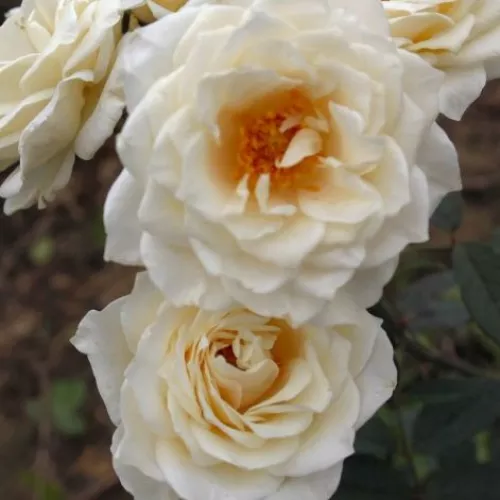
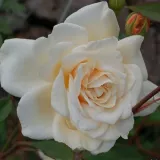
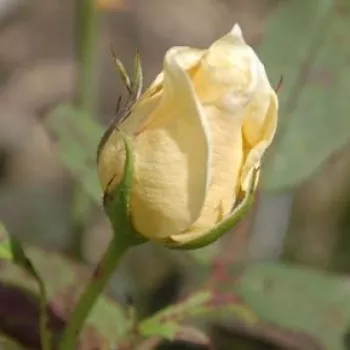
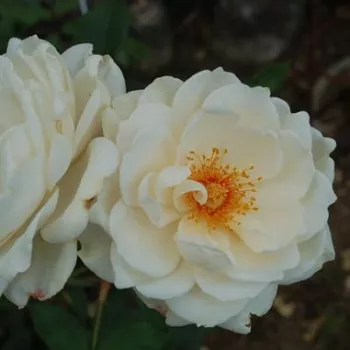
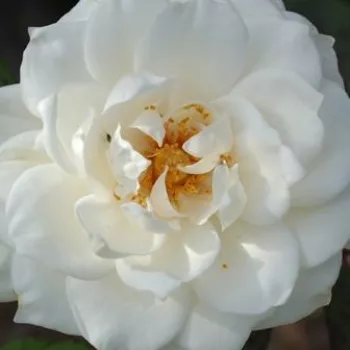
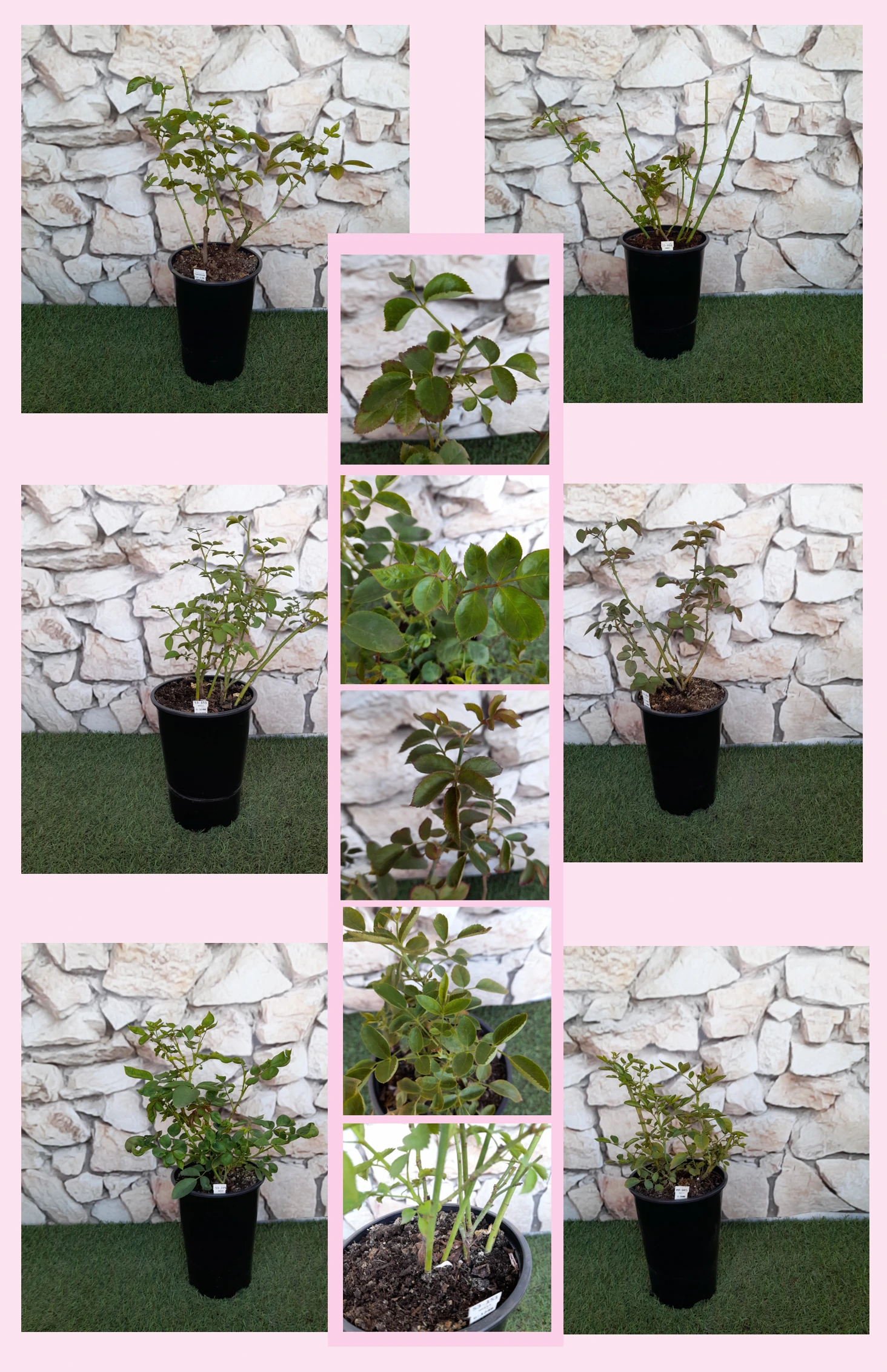
ORGANDIE is a softly coloured floribunda bedding rose that brings a feeling of light and gentle movement to Irish cottage borders and small front gardens, even where summers are cool and rainfall is frequent and the soil tends towards heavier textures. Its semi-double, cup-shaped clusters open from pastel lemon buds to buttery cream and finally near-white, keeping the overall effect elegant rather than showy, while the strong, lasting fragrance lends a sense of quiet luxury on everyday walks to the gate. On its own roots, ORGANDIE develops steadily below ground first, then builds bushy top growth, and by the third season offers full, reliable impact with minimal fuss. The moderately thorny, upright shrub carries grey-green, slightly glossy foliage that sets off the cream blooms beautifully, and its open, pollen-rich centres are a subtle magnet for pollinators in family gardens that favour a natural, relaxed style.
Usage options
| Target area | Reasoning |
|---|
| Low cottage-style bedding strip by a path or driveway |
The upright, bushy habit and repeat-flowering clusters create a soft, romantic edging that stays in scale with narrow spaces, while the cream tones blend easily with most wall and stone colours, ideal for a gentle cottage look for the beginner. |
| Fragrant focal shrub near the front door |
Strong, long-lasting scent and continuous flushes of semi-double blooms give everyday entrances a quietly luxurious feel, with enough presence to notice but not overwhelm compact urban front gardens, suiting the time-poor homeowner. |
| Informal mixed border with perennials and grasses |
Moderately dense, grey-green foliage and medium height integrate well among cottage perennials, offering structure without becoming woody or over-large, supporting a relaxed, naturalistic planting that appeals to the nature-minded gardener. |
| Pollinator-friendly family garden planting |
Semi-double flowers with exposed stamens provide easy pollen access through the season, helping bees and hoverflies without demanding special care, which fits well where wildlife interest matters to the eco-aware buyer. |
| Own-root rose for long-term, low-fuss planting |
Propagated on its own roots, this rose builds a durable framework that can regrow if stems are damaged, maintaining ornamental value over many years with only simple pruning, reassuring the cautious starter. |
| Mass planting or informal low hedge |
Recommended spacings make it straightforward to plan even drifts or loose hedges; upright, bushy growth knits together into a soft line of cream bloom that reads clearly from the street, appreciated by the design-conscious planner. |
| Roses coping with cool, damp Irish conditions |
Moderate disease resistance and a repeat-flowering habit help maintain a tidy display in cooler, moist summers with frequent showers, reducing the need for constant spraying or deadheading for the busy urban resident. |
| Large patio container feature (40–50 litre minimum) |
In a generously sized, well-drained container, its compact yet upright habit and repeat blooms provide a movable accent for terraces or small yards, with enough root room to remain stable and long-lived for the space-limited city-dweller. |
Styling ideas
- Cream-lace border – Line a cottage-style path with ORGANDIE and airy grasses like Stipa tenuissima for soft movement and a fragrant welcome – ideal for romantic front-garden owners.
- Pastel porch focus – Flank a doorway with two large pots (40–50 litres) of ORGANDIE underplanted with trailing ivy for a long-flowering, easy-care accent – perfect for busy city households.
- Pollinator promenade – Combine ORGANDIE with lavender, catmint and single daisies so bees move easily between open flowers all summer – suited to wildlife-friendly families.
- Gentle cream hedge – Plant a loose low hedge along a front boundary, spacing as recommended, to create a soft cream ribbon of bloom – good for neat-but-natural-minded neighbours.
- Textured cottage mix – Thread ORGANDIE through clumps of hosta and low geraniums so its grey-green foliage and cream flowers sit against lush leaves – appealing to lovers of classic cottage gardens.
Technical cultivar profile
| Parameter | Data |
|---|
| Name and registration |
Floribunda bedding rose marketed as ORGANDIE – cream floribunda bedding rose – Scarman; American Rose Society exhibition name ORGANDIE; group: Rósra bhláthchlóis. |
| Origin and breeding |
Bred by John Scarman in Germany, circa 2007; introduced by Landhaus Ettenbühl; parentage unknown, selected for bedding and floribunda garden performance. |
| Growth and structural characteristics |
Upright, bushy shrub reaching about 100–140 cm tall and 80–120 cm wide; moderately dense, slightly glossy grey-green foliage; moderately thorny, suited to bedding and light hedging. |
| Flower morphology |
Semi-double, cup-shaped blooms with 13–25 petals, borne in clustered inflorescences; medium-sized flowers around 4–7 cm, repeat-flowering with a notably abundant second flush. |
| Colour data and phenology |
Delicate pastel lemon buds with greenish tinge open to soft lemon centres, then buttery cream, finally fading to almost white; uniform warm cream overall, good colour retention in garden conditions. |
| Fragrance and aroma |
Strongly and persistently scented floribunda; fragrance character not formally classified but clearly noticeable at close range and on still days, enhancing use near seating or entrances. |
| Hip characteristics |
Produces moderate quantities of small, ovoid hips in autumn, around 6–10 mm, orange-red and decorative, extending seasonal interest after flowering has eased. |
| Resistance and winter hardiness |
Hardy to about −21 to −18 °C (RHS H7, Swedish zone 3, USDA 6b); moderate resistance to black spot, powdery mildew and rust, with occasional preventive care recommended. |
| Horticultural recommendations |
Suited to bedding, low hedging and specimen use; prefers well-drained soil with organic matter; regular deadheading and light pruning support repeat bloom and tidy structure in family gardens. |
ORGANDIE offers repeat creamy blooms, strong fragrance and pollinator-friendly flowers on a stable own-root shrub that matures gracefully over years, making it a thoughtful choice for relaxed Irish family gardens.