ORANGE SYMPHONIE – orange dwarf miniature rose – Meilland
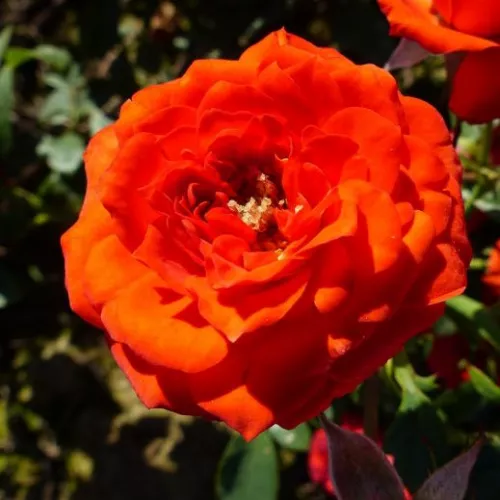
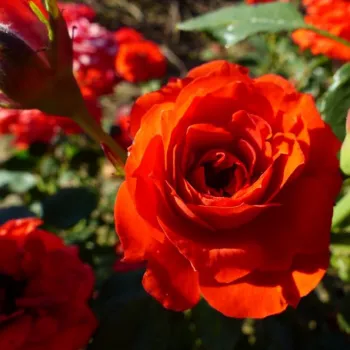
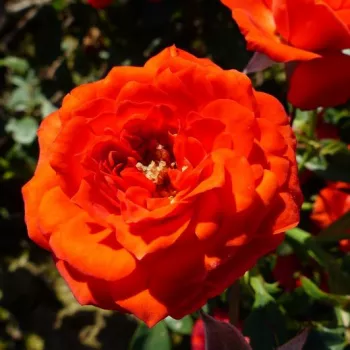
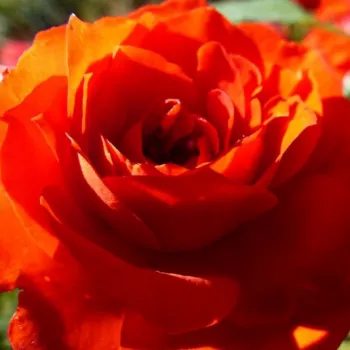
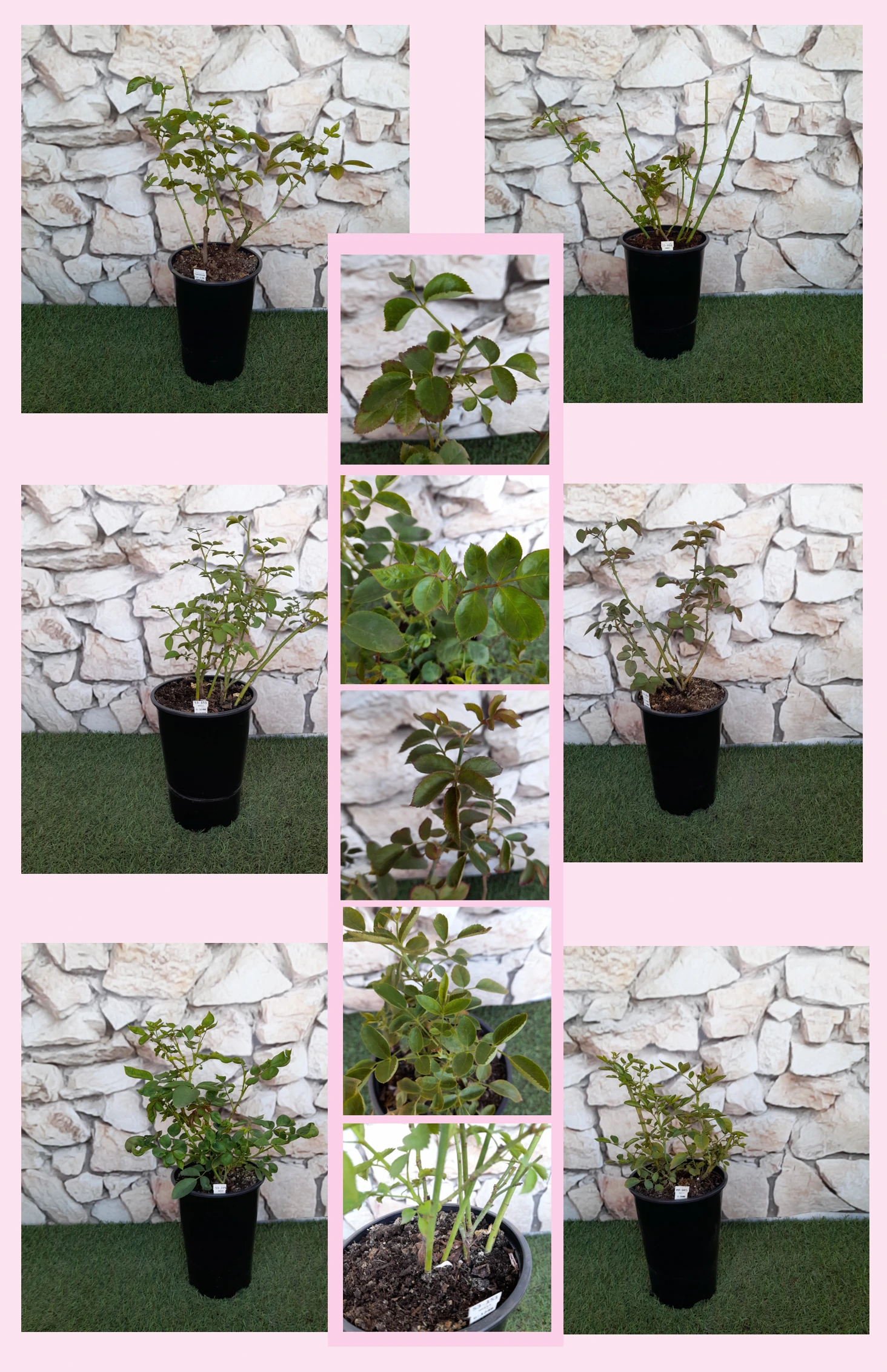
Bring a touch of cottage charm to small Irish gardens with ORANGE SYMPHONIE, a neat miniature rose that fills borders and pots with clusters of vivid mandarin-orange blooms. Its quietly compact habit suits Dublin terraces and front gardens where every centimetre counts, while its glossy, dark green foliage keeps the plant looking fresh even between flowering flushes. Own-root planting means a naturally stable rose that regrows faithfully from the base after hard pruning or winter setbacks, supporting a long, reliable garden life. Easy to place in a girly, romantic scheme, it partners beautifully with soft grasses and cottage perennials, bringing a feeling of cheerful contentment on short walks under soft rain and gentle breezes by the Atlantic coast. Watch it settle in as roots establish in year one, shoots and branching improve in year two, and by year three the full ornamental impact of low, bright, continuous colour really shows.
Usage options
| Target area |
Reasoning |
| Front-of-border edging in a family garden |
The dwarf, compact habit (around 45–55 cm high) makes this rose ideal for a low edging that never overwhelms a small family lawn or play space. Its rounded shape and dense foliage keep beds looking tidy without constant clipping, helpful for beginner gardeners and busy owners. |
| Containers on balconies, patios, and terraces |
Thrives in large containers of 40–50 litres or more, where its bright orange clusters provide long-season colour close to seats and doors. In pots you can give it the sunshine and drainage it prefers, plus targeted fungicide care when needed, suiting fragrance-loving but space-limited urban gardeners. |
| Irish cottage-style mixed flowerbeds |
The vivid orange, fading softly to salmon and pinkish tones, slips easily into cottage-style plantings beside airy grasses and perennials. Although disease protection is needed, the own-root form builds a durable framework that repays this effort with many years of charm for romantic traditionalists. |
| Dublin terraced-house front garden displays |
Neat growth and generous repeat flowering create a welcoming splash of colour by the front step without encroaching on narrow paths. In exposed streets, regular feeding and watering help it cope, while considered fungicide use manages disease pressure for appearance-focused city homeowners. |
| Low informal hedging along paths or driveways |
Planted 25–30 cm apart, plants knit into a low, bright ribbon that outlines paths without blocking views. Once the root system is established, reliable regrowth from the base means gaps are less likely after hard winters, reassuring long-term planning garden designers. |
| Rock gardens and raised beds with good drainage |
The compact size and dense, glossy foliage suit raised or rockery settings where sharp drainage and air movement help reduce fungal pressure in wet Irish weather, offering a prettier option than many shrubs for texture lovers. |
| Pollinator-accent planting with complementary perennials |
While only moderately attractive to insects, its open clusters pair well with strong pollinator plants such as Echinacea and airy grasses, giving colour while companion species carry most of the wildlife role. This suits nature-oriented yet decorative-minded flower lovers. |
| Long-term structure in small gardens |
Own-root plants reshoot from below ground if cut back by frost, mishap, or renewal pruning, supporting a long-lived framework of stems. With year one focused on rooting, year two on structure, and year three on full display, it rewards patient, low-fuss home gardeners. |
Styling ideas
- Soft Citrus Border – edge a sunny bed with ORANGE SYMPHONIE in front of pale pink or cream roses so the compact, long-flowering orange cushions add depth without height – ideal for small cottage gardens.
- Terrace Jewel Pot – plant a single rose in a 50-litre terracotta pot with trailing thyme to hide the rim, creating a bright, easy-to-reach focal point by patio seating – perfect for busy balcony and terrace owners.
- Girly Gravel Strip – line a gravel path with these dwarf roses and tufts of Stipa tenuissima ‘Pony Tails’ for movement and soft light around the cheerful orange blooms – suited to relaxed, low-frontage Dublin gardens.
- Rockery Glow – tuck groups of three plants into a raised rock garden with Euonymus fortunei ‘Minimus’ as evergreen groundcover, letting the compact shape and glossy foliage pop from stony textures – great for structure-focused hobbyists.
- Pollinator Patch Accent – dot ORANGE SYMPHONIE through a bed of Echinacea and other nectar-rich perennials so the rose provides colour punctuation while companions serve the insects – good for wildlife-minded beginners.
Technical cultivar profile
| Parameter |
Data |
| Name and registration |
Miniature bush rose, trade name ORANGE SYMPHONIE, registered as MEIninrut, in the SYMPHONIE collection; also known under the American Rose Society exhibition name Orange Symphonie. |
| Origin and breeding |
Bred by Alain Meilland (Meilland International, France) from (Baby Bettina × Anytime) × Meteor; bred in 1994, registered and introduced in 1997 through Meilland International. |
| Growth and structural characteristics |
Dwarf, compact bush to around 45–55 cm high and 40–50 cm wide, with dense, dark green, glossy foliage and relatively few thorns; suited to edging, containers, and small garden spaces. |
| Flower morphology |
Double, cup-shaped blooms of medium size, approximately 4–7 cm, borne in clusters; 26–39 petals; remontant flowering with a generous second flush, maintaining decorative value over the season. |
| Colour data and phenology |
Vivid orange with tangerine tones; buds deep orange-red, opening mandarin-orange, later softening to salmon-orange with faint pinkish edging; colour retention medium, overall effect bright yet gentle. |
| Fragrance and aroma |
No noticeable scent; fragrance-rated as unscented, so chosen primarily for colour, habit, and versatility rather than perfume, which can suit locations close to windows or dining areas. |
| Hip characteristics |
Moderate production of small, spherical hips around 5–7 mm wide, orange-red when ripe; minor autumn interest, generally not a primary decorative feature compared with the flowering display. |
| Resistance and winter hardiness |
Hardy to about −21 to −18 °C (RHS H7, Swedish zone 3, USDA 6b); moderate heat tolerance, needing watering in dry spells; moderate susceptibility to mildew and black spot, very prone to rust. |
| Horticultural recommendations |
Best in full sun with well-drained, fertile soil; plant 25–50 cm apart depending on use; requires regular fungicidal protection and consistent watering in containers; own-root form supports long-term regeneration. |
ORANGE SYMPHONIE offers bright compact colour, repeat flowering, and long-term regrowth from a dependable own-root form, making it a thoughtful choice for small Irish gardens and terrace spaces.