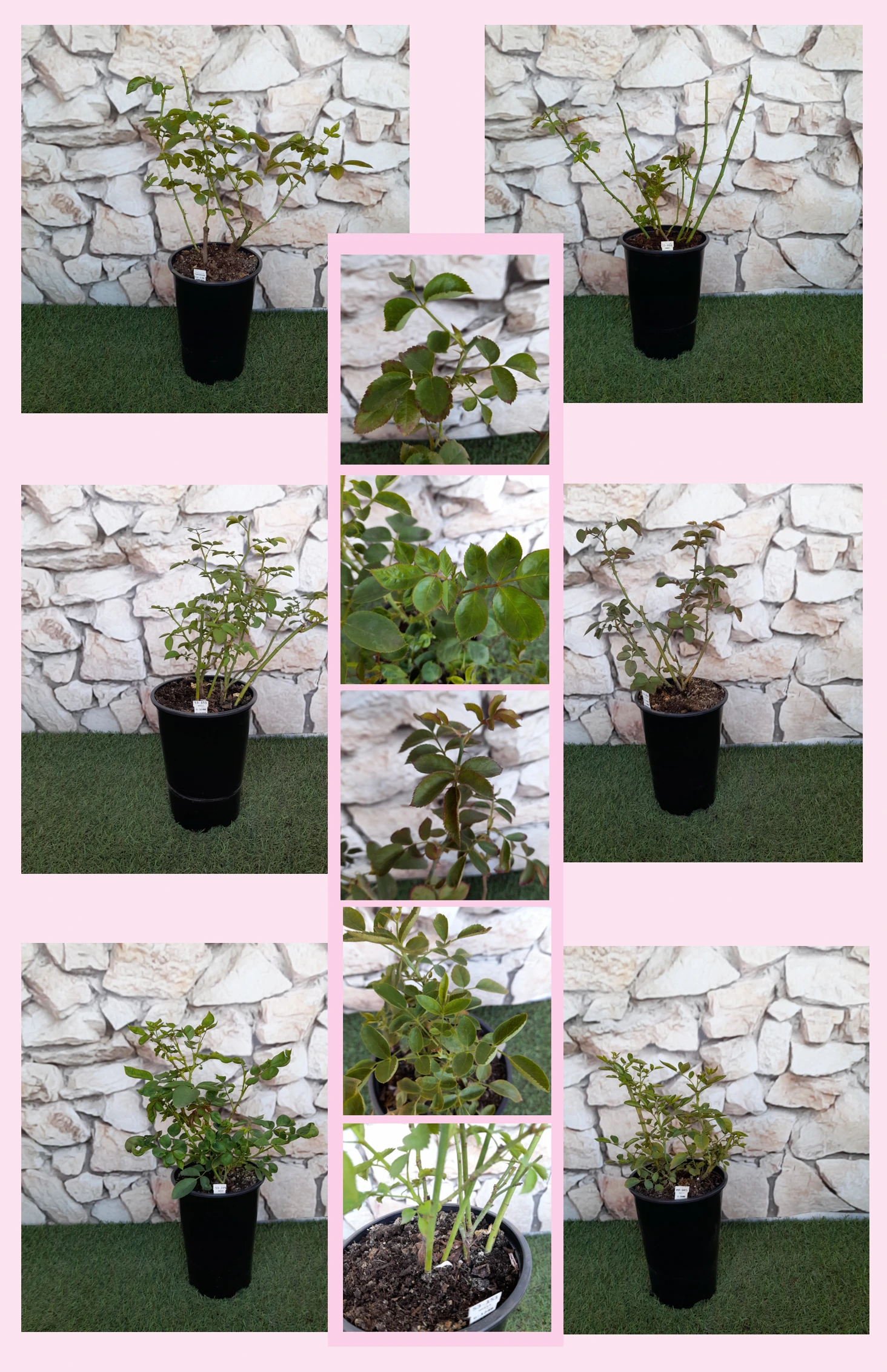
Hemma – hybrid tea rose
Bring a feeling of home to your garden with Hemma, a compact hybrid tea ideal for Irish cottage borders and neat Dublin front gardens. Its bushy, mid‑green foliage and richly raspberry‑pink blooms create a softly glowing focus even in changeable summers, while the medium, fresh, fruity, tea-scented fragrance greets you on short evening strolls. Remontant flowering ensures long-lasting colour from early summer well into autumn, offering that sense of cheerful contentment every time you pass by. On its own roots, Hemma establishes steadily for a long lifespan, coping reliably with our moist conditions and good air flow, even where there is frequent rain and occasional gusty sea air from the Atlantic. Plant once, then enjoy the gradual arc from strong roots, to fuller shoots, to a lush, mature bush over the first three years with very manageable care.
Usage options
| Target area | Reasoning |
|---|
| Cottage-style front garden focal point |
Hemma’s large, cupped raspberry-pink blooms and bushy habit make a graceful eye-catcher beside a path or gate, offering classic hybrid tea form without demanding expert pruning skills – ideal for the beginner. |
| Small family garden mixed border |
The compact 60–85 cm height and 50–70 cm spread fit easily into average Irish borders, giving strong colour without overpowering surrounding plants, while medium maintenance needs stay realistic for the busy. |
| Repeat-flowering season extender |
Remontant flowering with a notably abundant second flush keeps blooms coming through our shorter summers, adding interest between spring shrubs and autumn perennials for the pleasure-seeking homeowner. |
| Long-term planting in own-root rose bed |
As an own-root rose, Hemma builds a stable framework that regenerates well after harsh winters or hard pruning, promising dependable structure and flowers year after year for the future‑minded. |
| Weather-tolerant spot in exposed gardens |
The dense foliage and robust bushiness help the plant stand up to moisture and wind, staying presentable despite rain and blustery spells common in coastal and upland sites, reassuring the Atlantic gardener. |
| Family seating area or patio edge |
The medium-strength, fresh fruity, tea-scented perfume is noticeable at close range but not overpowering, lending a gentle, welcoming atmosphere around sitting areas prized by the fragrance‑lover. |
| Structured planting with clear spacing |
Recommended spacings of 50–60 cm in groups and up to 100 cm as a specimen allow you to design tidy lines or small drifts that remain easy to weed, mulch and access for the practical planner. |
| Large container on terrace or doorstep |
In a generously sized pot of at least 40–50 litres with good drainage, Hemma’s bushy habit and remontant blooms give a stylish, long-lived display right where you see it daily, rewarding the space-conscious urbanite. |
Styling ideas
- Cottage-Path Welcome – Line a short front path with Hemma and fragrant geranium for a soft, pink-and-green entrance – ideal for relaxed cottage-garden admirers.
- Compact-Rose Accent – Place a single Hemma by the doorstep in a 50-litre pot for neat structure and easy access – perfect for city-terrace homeowners.
- Season-Long Ribbon – Create a low, repeating row along a lawn edge to enjoy its abundant second flowering – suited to families wanting colour all summer.
- Fragrant-Seating Nook – Combine Hemma with dwarf deutzia behind a bench so scented blooms frame quiet evening chats – appealing to scent-focused garden users.
- Structured-Mixed Border – Interplant Hemma among mid-height perennials and shrubby cinquefoil for textured foliage and steady form – good for practical, low-fuss gardeners.
Technical cultivar profile
| Property | Data |
|---|
| Name and registration |
Hemma hybrid tea rose, trade name Hemma Hybrid tea rose pharmaROSA®, hybrid tea group, exhibition category unknown, no registered exhibition name recorded to date. |
| Origin and breeding |
Discovered in Hungary and introduced by PharmaRosa® Ltd.; breeding year 2013, with parentage unclear, reflecting a selected garden discovery rather than a formally recorded cross. |
| Growth and structural characteristics |
Bushy, compact shrub reaching about 60–85 cm in height with a 50–70 cm spread, moderately thorny shoots and dense, slightly glossy, mid‑green foliage that provides a full, tidy outline. |
| Flower morphology |
Large, double, cupped flowers, typically 7–10 cm across, with 26–39 petals presented mostly singly on stems, giving classic hybrid tea form suitable for cutting and close-up appreciation. |
| Colour data and phenology |
Rich raspberry-pink blooms with velvety tones; outer petals RHS 65C, inner 62D, wine-red edging and cream‑pink centre, gradually softening to a gentler mauve‑pink as the flower opens and ages. |
| Fragrance and aroma |
Medium-strength perfume combining fresh, fruity notes with a clear tea-rose character, most noticeable in still, mild weather, adding sensory interest without overpowering nearby seating areas. |
| Hip characteristics |
Occasional ellipsoidal hips, about 8–12 mm, orange-red when ripe; ornamental value modest, with best display coming from the repeat flushes of flowers rather than from autumn fruiting. |
| Resistance and winter hardiness |
Hardy to about −21 to −18 °C (RHS H7, Swedish Zon 3, USDA 6b), with good resistance to powdery mildew and black spot, and moderate susceptibility to rust in humid seasons. |
| Horticultural recommendations |
Prefers well-drained, fertile soil; plant 50–60 cm apart in groups, 100 cm for specimens; maintain even moisture, mulch annually, and monitor for pests and rust with occasional targeted treatments. |
Hemma Hybrid tea rose pharmaROSA® offers compact structure, remontant blooms and a medium yet noticeable fragrance on its own roots for resilient long-term planting, making it a thoughtful choice for your next garden rose.