OPHELIA™ – pale pink hybrid tea rose - Paul
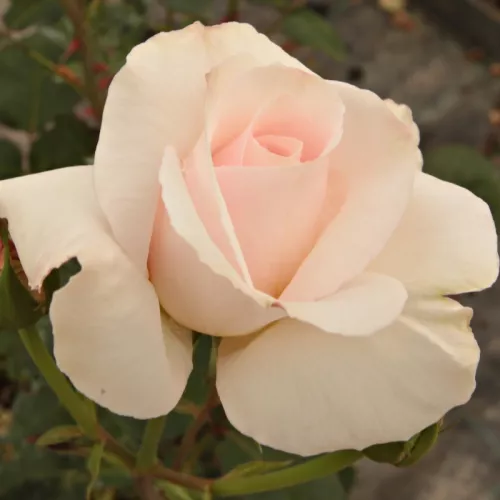
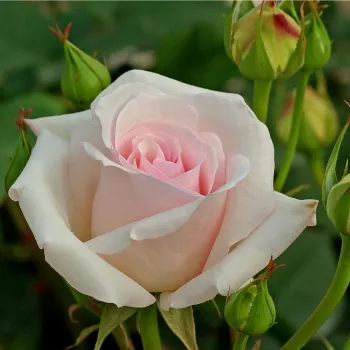
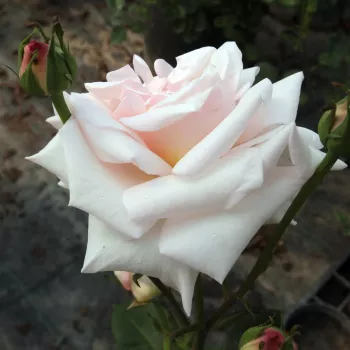
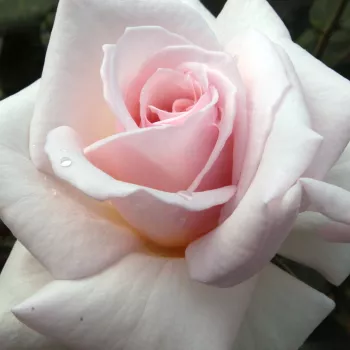
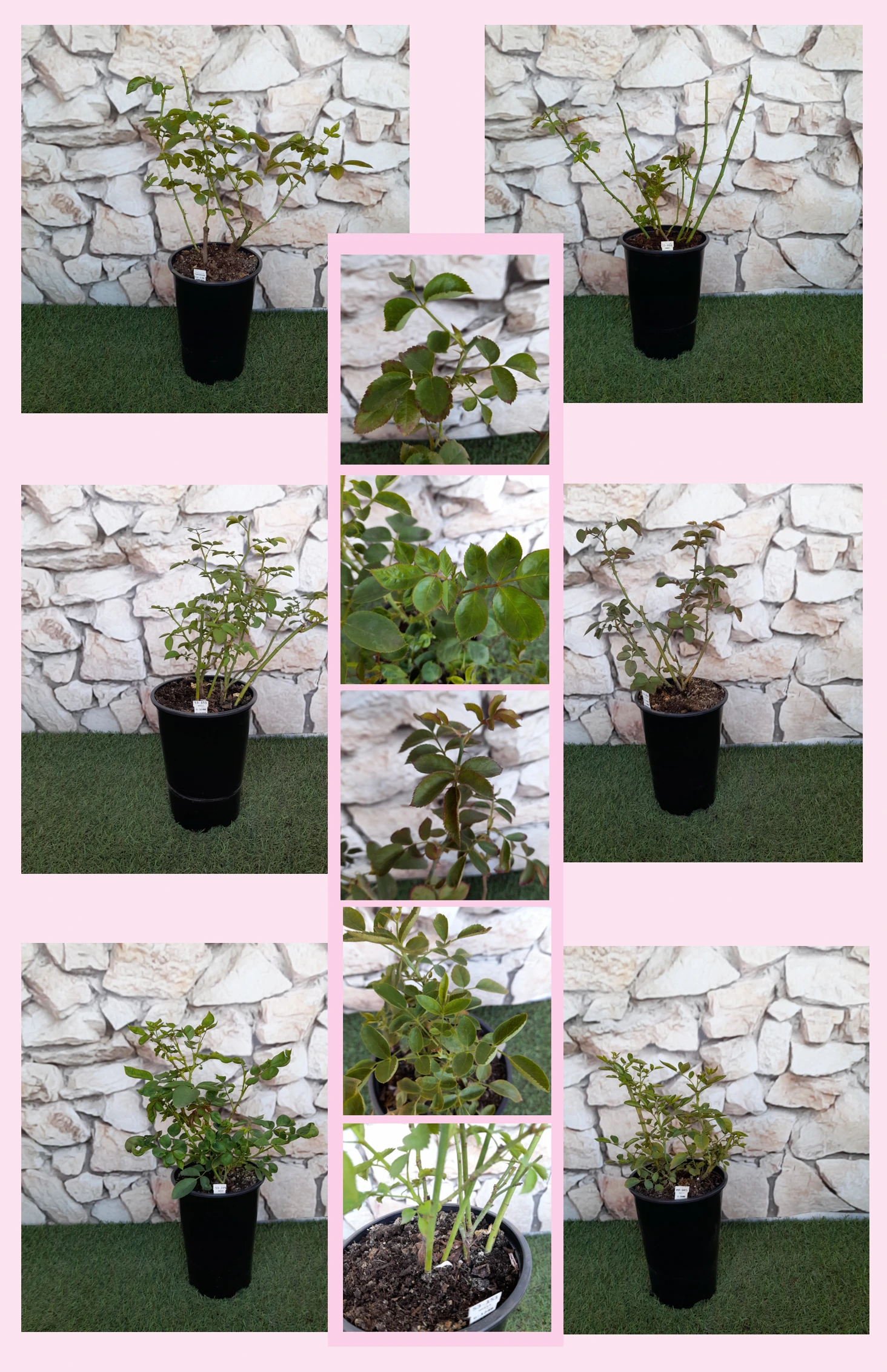
Slip into a mood of gentle contentment with OPHELIA™, a refined hybrid tea rose whose pastel blooms glow softly even on grey Irish days, as it shrugs off rainfall and damp weather with reassuring poise. Tall, upright stems carry elegant, cup-shaped flowers that last beautifully in a vase, lending a quietly romantic presence to cottage borders and Dublin terrace front gardens alike. Its strong, long-lasting fragrance drifts on the air like classic perfume, while moderate disease resistance and dependable remontant flowering mean you can enjoy repeat waves of bloom with only light deadheading and feeding. As an own-root plant, it builds strength steadily below ground, then pushes taller, fuller growth above, rewarding a little patience with many years of stable, rejuvenating performance and reliable garden elegance.
Usage options
| Target area | Reasoning |
|---|
| Feature rose in a small front garden |
The upright, bushy habit and medium height let OPHELIA™ stand out as a graceful focal point without overpowering a modest Irish front garden, adding structure and pastel colour close to the door for beginners. |
| Cutting patch or mixed cutting bed |
Solitary, well-shaped blooms on long stems are ideal for vases, and the flowers hold their form and colour well indoors, so a few plants provide classic, perfumed stems for regular picking for homeowners. |
| Romantic cottage-style border |
Pastel pink, cup-shaped flowers blend beautifully with herbaceous perennials and traditional cottage plants, creating a softly coloured, nostalgic border that feels charming rather than formal for cottage-gardeners. |
| Dublin terraced-house front railings |
The neat footprint and upright habit fit narrow beds by railings or paths, giving a tidy yet romantic look that suits busy streets where you want impact from limited space for urban-gardeners. |
| Low-maintenance repeat-flowering bed |
Remontant flowering provides a generous second flush, so with simple feeding and regular deadheading you enjoy colour over a long season, even through a relatively short Irish summer, for time-poor-owners. |
| Decorative specimen on heavy Irish clay |
OPHELIA™ responds well where drainage has been improved with organic matter and a light mulch, coping with typical heavier soils while maintaining balanced growth and bloom for family-gardens. |
| Long-term, stable garden feature |
As an own-root rose it regenerates reliably from its base, maintaining shape and flowering quality for many seasons, even if stems are cut back hard after winter or occasional damage for long-term-planners. |
| Sunny rose bed in humid, rainy areas |
Placed in full sun with decent air movement, its moderate disease resistance and remontant habit give steady performance even in moist coastal air and frequent showers along our Atlantic-influenced coasts for sea-breeze-gardeners. |
Styling ideas
- Cottage-Front Sweetness – Line a small front path with OPHELIA™ and low catmint for a soft, perfumed welcome – ideal for homeowners who want charm with simple care.
- Pastel-Cutting Patch – Combine OPHELIA™ with soft-pink dahlias and white cosmos to create a steady supply of romantic, scented stems – perfect for hobby florists.
- Terrace-Rail Elegance – Plant a single OPHELIA™ by railings with dwarf silver-mound wormwood for contrast between silvery foliage and warm pink blooms – suited to stylish city gardeners.
- Clay-Bed Refiner – In improved clay soil, mix OPHELIA™ with hardy salvias and small-leaved euonymus for structure, scent, and long-season interest – great for practical family gardens.
- Container-Romance – Grow one OPHELIA™ in a 40–50 litre pot with trailing thyme at the rim to enjoy height, fragrance, and easy maintenance on patios – ideal for balcony and courtyard users.
Technical cultivar profile
| Parameter | Data |
|---|
| Name and registration |
Hybrid tea rose; trade name OPHELIA™ – pale pink hybrid tea rose - Paul; exhibition name Ophelia; commercial group Rós taehibride; unregistered cultivar widely known in gardens. |
| Origin and breeding |
Historic hybrid tea introduced by William Paul & Son, United Kingdom, in 1912; seedling of ‘Antoine Rivoire’, bred for refined flower form and reliable remontant flowering habit. |
| Growth and structural characteristics |
Upright, bushy shrub 80–110 cm high and 50–70 cm wide; moderately dense, slightly glossy foliage; moderately thorny stems; suited to beds, edging, and use as a modest specimen. |
| Flower morphology |
Medium-sized double flowers, 4–7 cm across, with 26–39 petals; elegant cup-shaped, solitary blooms on stems; remontant, giving a plentiful second flowering period after the first flush. |
| Colour data and phenology |
Pastel pale-pink petals with a warm peach mid-tone; buds powder pink with creamy base; fades in strong sun to very pale creamy-beige; retains richer colour in cooler weather, with excellent overall stability. |
| Fragrance and aroma |
Strong, long-lasting scent with a slightly sweet character; good fragrance both outdoors and when cut for the house, contributing notable perfume to garden seating areas and indoor arrangements. |
| Hip characteristics |
Limited hip set due to double flowers; when present, small spherical hips 8–12 mm across, orange-red at maturity, adding modest late-season interest without significant self-seeding. |
| Resistance and winter hardiness |
Hardy to about −26 to −23 °C (USDA 5b, RHS H7); moderate overall disease resistance, resisting black spot and powdery mildew well, with some susceptibility to rust in humid conditions. |
| Horticultural recommendations |
Best in full sun with fertile, well-drained soil; water regularly in dry spells; deadhead to encourage repeats; space 45–90 cm depending on use; suitable for beds, hedging, and quality cut flowers. |
OPHELIA™ offers romantic scented blooms, repeat flowering, and steady own-root longevity, making it a graceful, low-fuss choice for Irish gardens where you value enduring beauty; consider it when planning your next gentle garden upgrade.