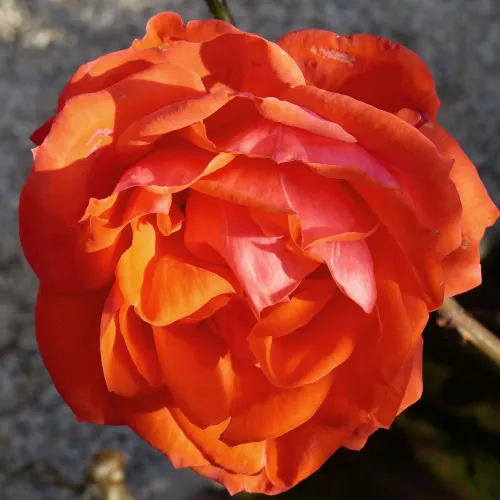
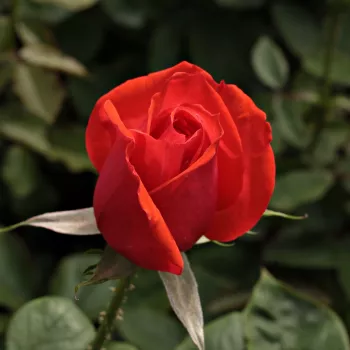
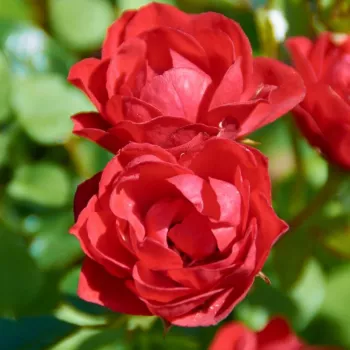
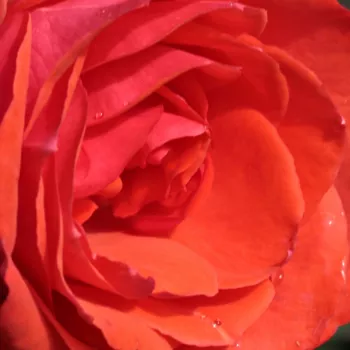
ONDELLA™ – orange-red hybrid tea rose - Meilland
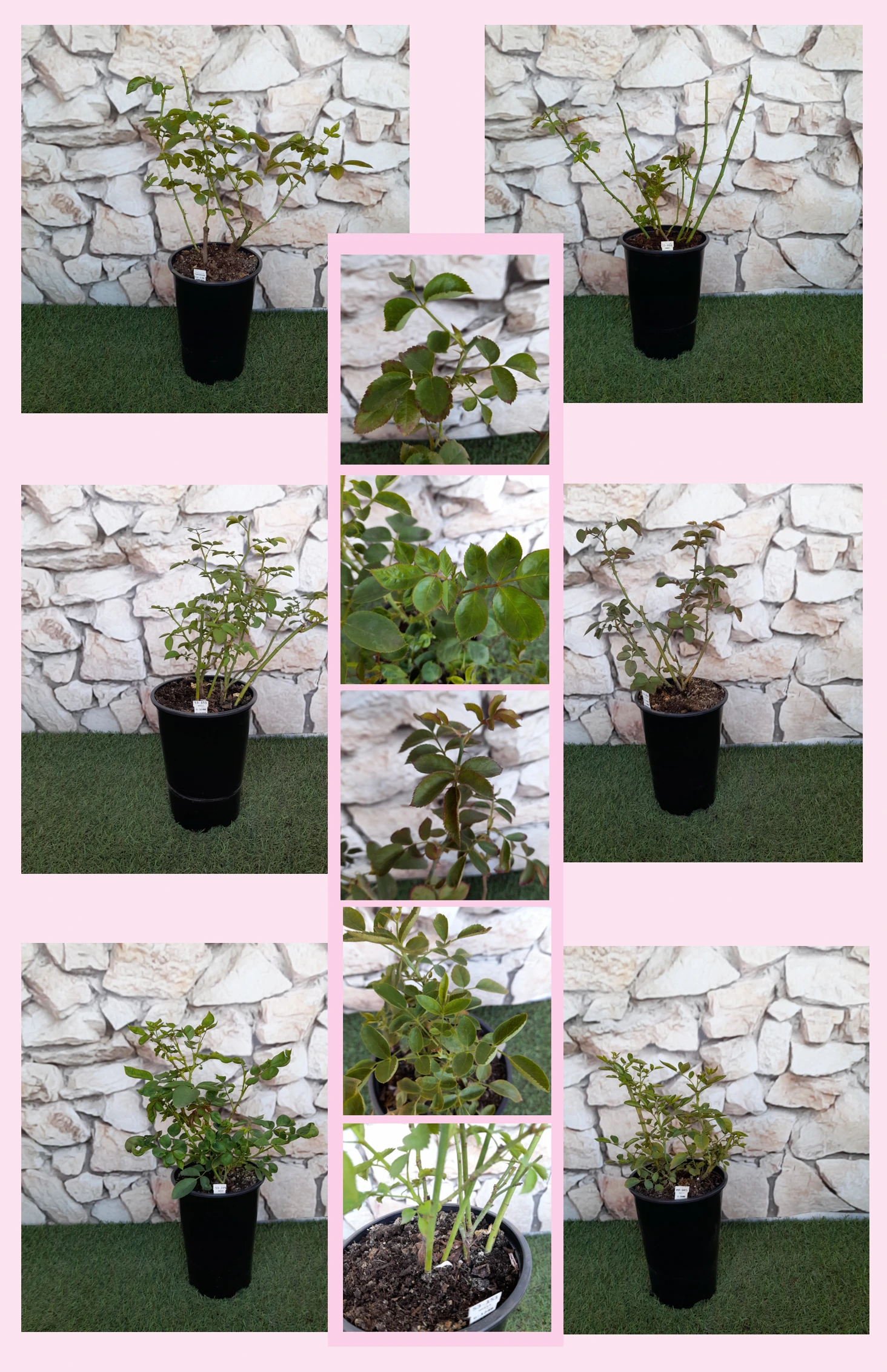
Imagine stepping outside after rain, the air soft and cool, and your front garden glowing with Ondella roses: large, luminous, orange‑red blooms on tidy, upright stems that stay orderly without constant deadheading. This hybrid tea is bred for uncomplicated reliability in Irish family gardens, shrugging off damp summers and coping well where soil stays moist after rain and needs careful drainage. Own‑root plants establish steadily for a long, stable lifespan, building roots in the first year, stronger shoots in the second, and full ornamental value by the third. With good repeat flowering, heat tolerance and neat, moderately dense foliage, it gives you classic roses and cheerful contentment without demanding expert‑level maintenance.
Usage options
| Target area | Reasoning |
|---|
| Front garden specimen near the door |
The extra‑large, high‑centred orange‑red blooms bring instant impact beside a gate or front step, while the upright habit keeps the plant tidy and easy to walk past. Own‑root vigour supports a long‑lived focal point in a busy household setting for the homeowner. |
| Small Irish cottage garden bed |
Repeat flowering and good colour retention mean the shrub looks bright from early summer to autumn, even through showery spells when other flowers sulk. Its ability to cope when soil stays moist after rain and needs thoughtful drainage suits traditional cottage plots for the cottage‑gardener. |
| Mixed perennial border with perennials |
The clean, cup‑shaped blooms and neat, moderately dense foliage blend well with airy perennials like verbena or scabious, giving structure without overwhelming the border. Own‑root resilience helps the rose recover if herbaceous neighbours are moved or divided for the planner. |
| Low, upright flowering hedge |
Planted at about 40 cm intervals, its uniform height and self‑cleaning blooms form a colourful, low hedge that needs only light pruning and occasional health checks. This offers a smart boundary line with relatively modest effort for the time‑pressed. |
| Feature plant in a lawn island bed |
The strong, saturated vermilion‑orange red flowers read clearly from a distance, so a single bush or small group in turf creates a focal “island”. The good repeat bloom and heat tolerance keep it attractive through changeable summers for the showpiece‑lover. |
| Urban patio container (large tub) |
In a 40–50 litre or larger container, its upright habit and self‑cleaning flowers make balcony or courtyard care straightforward: regular watering, feeding and a light prune are usually enough. Own‑root stock reduces the risk of graft failure in exposed pots for the city‑gardener. |
| Gentle slope or raised bed |
On a gentle bank or in a raised bed, the tidy shape and limited spread fit well, while own‑root anchorage and steady growth offer long‑term stability. Group planting at recommended density creates a bright, coherent block of colour for the designer. |
| Family flower‑cutting corner |
The XL hybrid tea blooms on strong, straight stems are ideal for cutting, with classic form and a delicate rose fragrance that is pleasant yet not overpowering indoors. Repeat flowering ensures a regular supply of stems for vases for the cut‑flower‑enthusiast. |
Styling ideas
- Cottage‑soft – Combine Ondella with lavender, catmint and a few pastel foxgloves to soften its fiery blooms into a romantic cottage feel – for nostalgic front‑garden owners.
- Urban‑smart – Plant three roses in a large, square 50 litre planter with low evergreen euonymus around the base for a clean, contemporary terrace feature – for busy city dwellers.
- Sunset‑border – Team its orange‑red roses with warm‑tone perennials and grasses, such as rudbeckia and bronze carex, for a long‑season sunset palette – for colour‑driven gardeners.
- Formal‑accent – Use single plants in matching pots to flank a doorway or path, underplanting with white alyssum to highlight the bloom colour – for symmetry lovers.
- Family‑cutting – Dedicate a narrow strip with Ondella in a neat row, leaving access all around so children can easily cut stems for kitchen‑table bouquets – for practical families.
Technical cultivar profile
| Parameter | Data |
|---|
| Name and registration |
Hybrid tea rose, registered as MEIvanama, trade name Ondella™ Hybrid tea rose MEIvanama; ARS exhibition name Ondella, commercial group Rós taehibride. |
| Origin and breeding |
Bred by Marie‑Louise Meilland, Meilland International, France; parentage ('Elegy' × 'Arturo Toscanini') × ('Peace' × 'Demain'); introduced and registered in 1979. |
| Growth and structural characteristics |
Upright hybrid tea rose, 80–110 cm high, 50–70 cm spread; moderately dense, matte dark green foliage, moderately thorny stems, naturally tidy outline suited to beds and borders. |
| Flower morphology |
Very large, double, high‑centred cup to chalice flowers, 10 cm+ across, usually borne singly; 26–39 petals; good repeat flowering with abundant second flush in season. |
| Colour data and phenology |
Bright orange‑red flowers (RHS 34B–34A), uniform vermilion‑orange at full bloom; colour holds well in sun, fading slightly to salmon‑orange while retaining depth at petal bases. |
| Fragrance and aroma |
Very weak but pleasant scent with a classic rose character; fragrance is generally only noticeable at close range, so it complements rather than dominates seating or entrance areas. |
| Hip characteristics |
Hip set is limited by the double blooms; occasionally produces small, spherical bright red hips, around 8–12 mm, which add modest late‑season interest without heavy seeding. |
| Resistance and winter hardiness |
Good heat and moderate drought tolerance; hardy to about −15 to −12 °C (RHS H6, Swedish zone 2, USDA 7b); resistant to powdery mildew and black spot, medium resistance to rust. |
| Horticultural recommendations |
Best in full sun with well‑drained soil; spacing 50 cm in masses, 40 cm as hedge, 90 cm as specimen; maintenance medium, generally self‑cleaning, with occasional pest and disease checks. |
ONDELLA™ – orange-red hybrid tea rose - Meilland offers long-lived, reliable repeat flowering on own-root plants that stay neat with modest care, making it a thoughtful choice for enhancing a small Irish garden.