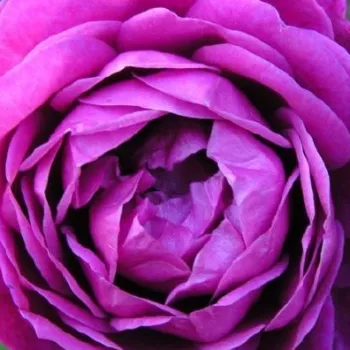
OLD PORT – deep purple bedding floribunda rose - McGredy
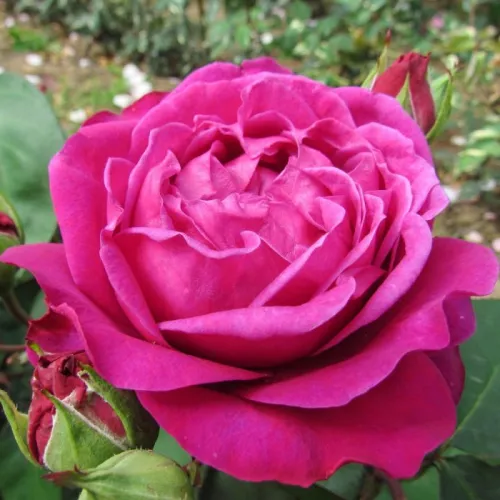
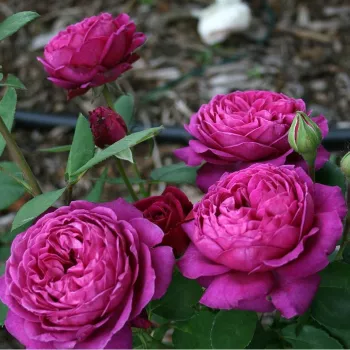
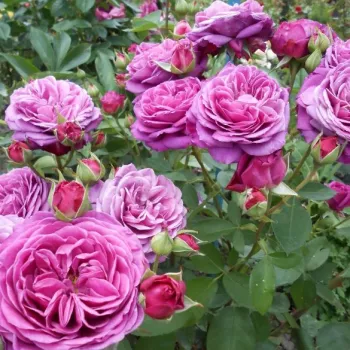
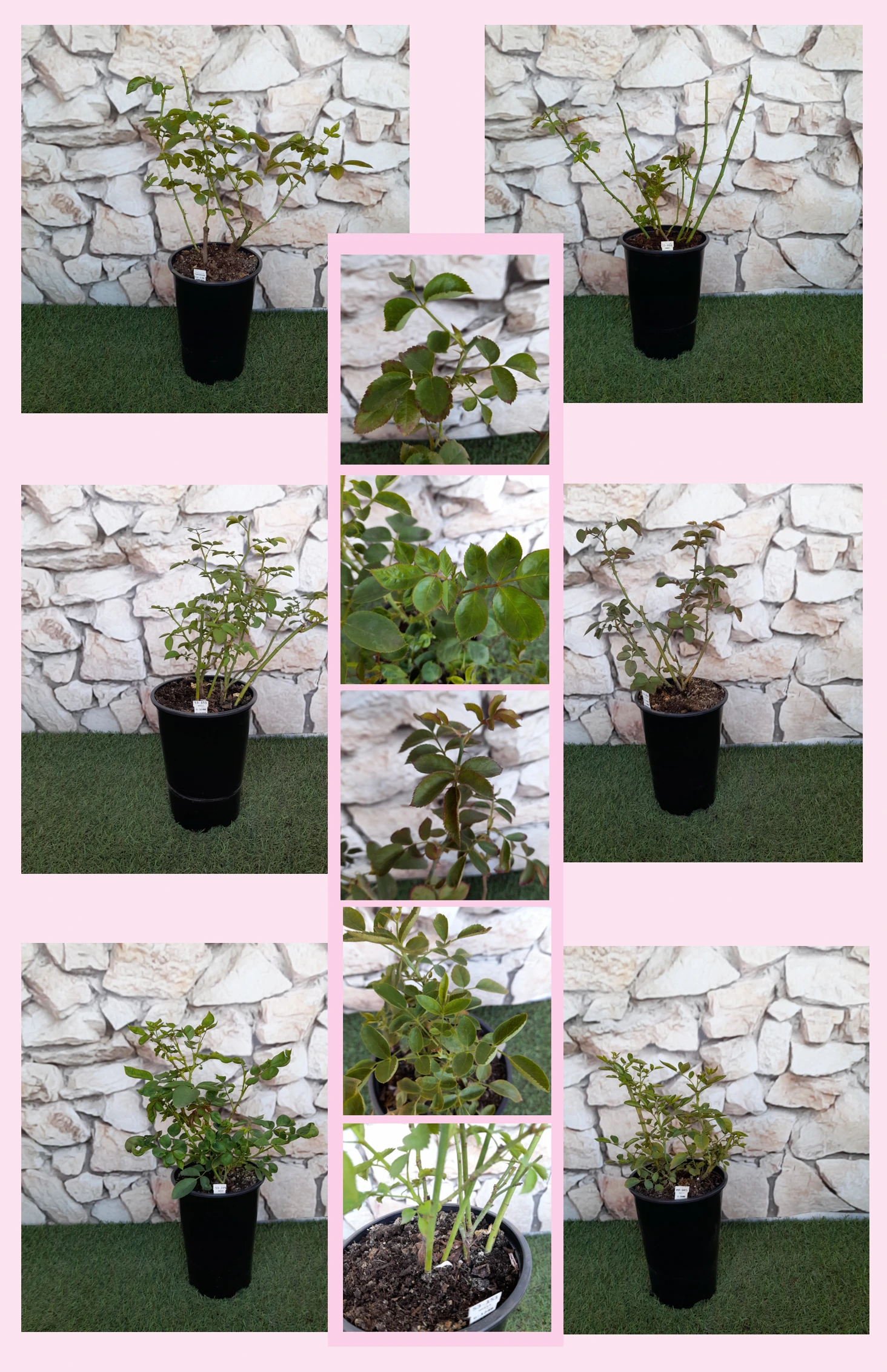
OLD PORT wraps your small Irish garden in velvety colour and rich perfume, bringing a touch of classic romance to cottage borders and Dublin terraces. Its bushy habit and generous repeat flowering mean you enjoy waves of large, very double blooms from early summer well into autumn, even when summers are cool and damp with frequent showers and soft sea breezes. The dark, matt foliage sets off the crimson‑purple rosettes beautifully, while the sparsely thorned stems make everyday care and cutting blooms for the house more pleasant. As an own‑root plant, OLD PORT builds a strong framework that can live and regenerate for many years, moving gently from root establishment to fuller shoots and finally to its complete garden presence. Give it reasonable drainage, a little deadheading and space to mature, and it will reward you with enduring charm and dependable performance.
Usage options
| Target area |
Reasoning |
| Front-of-border focal rose in a family garden |
Its bushy, upright habit and 80–100 cm height make OLD PORT ideal for a front‑of‑border position where the large, rosette blooms can be admired up close without overwhelming a typical family garden; a good choice for beginners. |
| Romantic cottage-style mass planting |
Planted in groups at 55 cm spacing, the generous repeat flowering and 70–90 cm spread create a billowing drift of velvety colour that carries a strong, long‑lasting scent along paths and around seating areas; perfect for lovers of traditional charm. |
| Solitary specimen in a small lawn or gravel corner |
Used alone with 90 cm of open space, its premium flower size and rich, shifting purple‑to‑lilac tones stand out as a single statement plant, while own‑root longevity lets the shrub become a stable feature over the years; ideal for patient planners. |
| Cut-flower bush near the house |
The long, sturdy stems with very double 7–10 cm blooms and strong fragrance make OLD PORT excellent for cutting, and the sparsely thorned canes make harvesting more comfortable for regular household bouquets; well suited to home decorators. |
| Urban terrace or patio container (large pot) |
In a 40–50 litre container with good drainage, its medium maintenance needs and upright growth give city gardeners a richly scented, easy‑to‑reach rose that responds well to light pruning and feeding; ideal for busy urban balcony owners. |
| Part-shade corner in a west- or north-facing garden |
Suitability for partial shade lets OLD PORT flower reliably where many roses sulk, brightening cooler corners near walls or sheds, while own‑root resilience helps it cope with less-than-perfect light levels; reassuring for cautious experimenters. |
| Clay-soil border with improved drainage |
Once planted into heavy soil that has been opened with grit and compost for better drainage, its moderate disease resistance and steady growth make it a dependable choice even in wet Irish conditions with frequent soft rain; helpful for weather‑weary gardeners. |
| Long-term low-rotation planting in established beds |
As an own‑root rose, OLD PORT can recover from pruning and weather damage more easily, avoiding graft failures and maintaining a consistent look across many seasons as it moves from root building to full ornamental value; reassuring for long‑term planners. |
Styling ideas
- Cottage-Drift – Plant in loose groups with Alchemilla mollis to soften the base and catch raindrops under the purple blooms – for those who dream of an informal Irish cottage border.
- Terrace-Jewel – Grow a single plant in a large clay pot with low lavender or thyme to edge, placing it by the front step – for urban owners who want fragrance right at the door.
- Evening-Perfume – Position near a bench with pale foxgloves and white campanulas so the strong scent and deep colour stand out at dusk – for after‑work garden relaxers.
- Heritage-Hedge – Line a short path at 50 cm spacing, interplanting with old‑fashioned wallflowers for spring colour before the roses – for admirers of traditional, slightly “girly” front gardens.
- Velvet-Focus – Use one specimen in gravel with dark pots and Japanese creeper on a wall behind it to emphasise the dramatic flower tones – for design‑minded gardeners seeking a bold focal point.
Technical cultivar profile
| Attribute |
Data |
| Name and registration |
Floribunda bedding shrub rose registered as MACkati, marketed as Old Port Bedding rose MACkati; ARS exhibition name Old Port, deep purple bedding floribunda rose in the Rósra bhláthchlóis group. |
| Origin and breeding |
Bred by Samuel Darragh McGredy IV, McGredy Roses International, Auckland, from ‘Macsupple’ × ‘Big Purple’; registered 1992, introduced after 1992, with Egmont Roses as initial distributor. |
| Growth and structural characteristics |
Bushy, upright shrub 80–100 cm high, 70–90 cm spread, moderately dense dark green matt foliage, sparsely thorned shoots; spent blooms tend to remain and benefit from regular manual deadheading for neatness. |
| Flower morphology |
Very double, rosette-shaped clusters of 1–3 flowers per stem, each large bloom about 7–10 cm across with 40+ petals; remontant habit providing a generous second flush and further repeats in suitable seasons. |
| Colour data and phenology |
Deep crimson‑purple flowers (RHS 77A outer, 77B inner) opening from dark, velvety buds, gradually lightening to lilac with a soft sheen, sometimes warming toward deep pink tones in hotter weather as the blooms age. |
| Fragrance and aroma |
Strong, full, perfumed character with long-lasting scent noticeable in still air and around seating areas; suitable for those valuing aromatic garden roses rather than purely visual effects in mixed borders or small spaces. |
| Hip characteristics |
Hip set usually sparse due to very double flowers; where present, small spherical orange‑red hips about 6–10 mm across may appear late season, offering modest additional autumn interest among the dark foliage. |
| Resistance and winter hardiness |
Hardy to around −21 to −18 °C (RHS H7, USDA 6b, Swedish zone 3); moderate general disease resistance with black spot resistance noted, but powdery mildew and rust may require occasional preventive or corrective treatment. |
| Horticultural recommendations |
Best in well‑drained, humus‑rich soil with regular watering in drought, spacing 50–55 cm for groups or 90 cm as a specimen; medium maintenance, needing deadheading and light pruning, suitable for borders, specimens and cutting. |
OLD PORT offers richly scented, repeat-flowering purple blooms on a long-lived own-root shrub, giving dependable structure and beauty for years; a thoughtful choice if you would like a romantic yet manageable garden rose.