NOTRE DAME DU ROSAIRE – peach-pink nostalgia rose - Massad
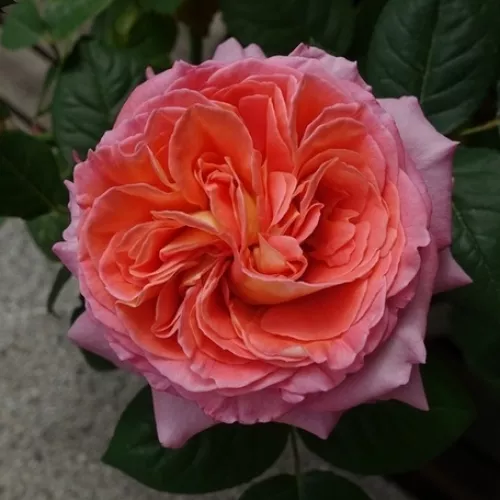
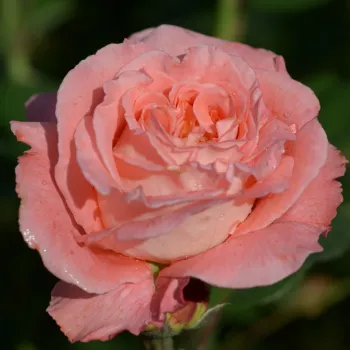
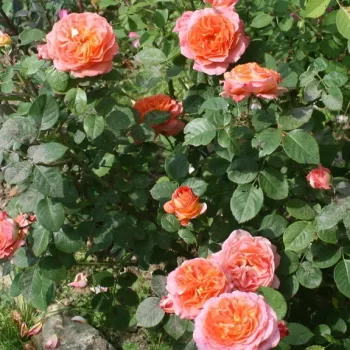
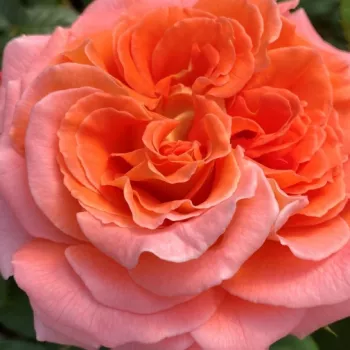
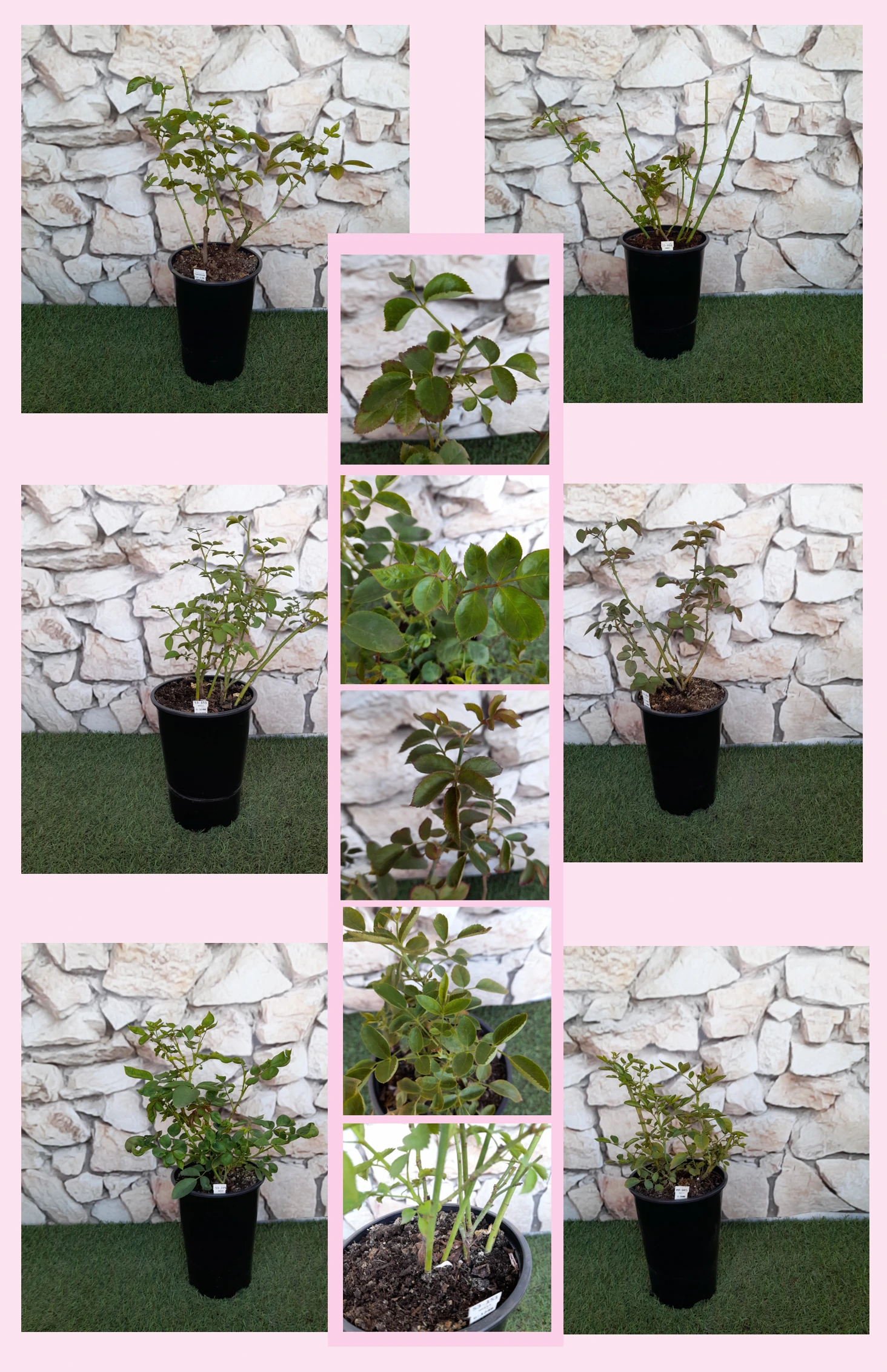
Step out to a soft Irish drizzle and find cheerful colour from NOTRE DAME DU ROSAIRE, a compact nostalgia shrub rose that suits both Dublin terraces and cottage-style borders. Its rosette blooms open in generous clusters, combining peach, pink and cream tones that shift gently as they mature, so every walk past the plant feels a little different. Strong, fresh, citrusy fragrance carries on moist air, bringing a sense of contentment even on grey days, while its bushy, mid-green foliage adds a calm, romantic backdrop. The own-root form is chosen for stability and long life in Irish gardens that often face cool summers and frequent showers, with this rose repeating its flowering in well-spaced flushes reliably. Planted once and allowed to settle, roots develop first, then shoots strengthen, and by the third year you can enjoy its full ornamental value in a softly lit, girly cottage-garden scene.
Usage options
| Target area | Reasoning |
|---|
| Cottage-style mixed border near the house |
The bushy, compact shrub form with dense mid-green foliage and very double rosette flowers creates an instant romantic focus close to windows or paths, especially in a small Irish cottage garden; best for fragrance-loving homeowners. |
| Front garden feature for terraced houses |
Its 65–95 cm height and 50–70 cm spread suit narrow front beds, giving structure without overwhelming the space, while peach-pink clusters add a gentle, welcoming look; ideal for busy urban gardeners. |
| Cut-flower corner in the family garden |
Large, 7–10 cm blooms with 40+ petals and strong citrusy scent make excellent nostalgic-style cut flowers, so a small, sunny patch can regularly supply fragrant stems; appealing to creative, bouquet-making beginners. |
| Container planting on patio or doorstep |
In a 40–50 litre container with good drainage and regular watering, its bushy habit and repeat flowering provide season-long charm where soil is limited, such as paved city spaces; perfect for space-conscious urbanites. |
| Heat-exposed, sheltered spots |
Good tolerance of heat and moderate drought means it performs well against a warm wall or in a suntrap, provided you water during long dry spells, supporting reliable flowering for relaxed families. |
| Romantic nostalgia-rose grouping |
Planting several bushes at 40 cm spacing creates a lush, old-fashioned rose scene with changing peach–pink tones through the season, giving depth and character to a traditional border for sentimental collectors. |
| Characterful focal point with year-round interest |
The glossy foliage, repeat-flowering habit and small orange-red hips provide structure beyond peak bloom, so one well-placed plant can anchor a small lawn edge or path curve for design-minded gardeners. |
| Care-focused rose bed with good airflow and access |
Because it is very susceptible to common rose diseases, it suits positions with sun, air movement and easy access for regular pruning, deadheading and plant-protection treatments, suiting dedicated, hands-on enthusiasts. |
Styling ideas
- Cottage-Corner – Combine with dwarf baby’s breath and soft grasses for a frothy, romantic look beside a low picket fence – ideal for cottage-style dreamers.
- Terrace-Welcome – Flank a terraced-house doorstep with two large containers, underplanting with trailing thyme for scent at ground level – suited to busy city dwellers.
- Nostalgia-Bed – Group several plants in a curved bed, weaving between lavender and calamint to echo old rose gardens – perfect for lovers of traditional charm.
- Warm-Wall – Set against a south-facing wall with dark holly mounds to contrast the peach-pink blooms – for those wanting evening drama in small spaces.
- Cutting-Strip – Line a vegetable or utility area with a short rose row, mixing in gypsophila for ready-made vase companions – great for practical, bouquet-focused growers.
Technical cultivar profile
| Parameter | Data |
|---|
| Name and registration |
Shrub nostalgia rose from the Générosa collection; registered as MASnoda, marketed as Notre Dame du Rosaire Générosa MASnoda, exhibition name Notre Dame du Rosaire. |
| Origin and breeding |
Bred by Dominique Massad for Guillot in France before 2009, introduced 2010; parentage undocumented, representing the romantic, old-rose style within modern shrub breeding. |
| Awards and recognition |
No major public awards recorded; carries an internal premium gold cultivar merit rating, highlighting its ornamental value for collectors and nostalgia-rose enthusiasts. |
| Growth and structural characteristics |
Bushy shrub 65–95 cm high and 50–70 cm wide, moderately thorny, with dense, mid-green glossy foliage; suited to borders, small hedging, specimen use and larger containers. |
| Flower morphology |
Very double, rosette-shaped blooms, 7–10 cm across, borne mostly in clusters; 40+ petals create a full, nostalgic appearance, with moderate self-cleaning that benefits from deadheading. |
| Colour data and phenology |
Warm peach-pink blend; deep peachy buds open rich peach-pink with creamy undersides, softening to pale pink and beige tones; colour lightens slightly in strong sunlight over time. |
| Fragrance and aroma |
Strong, fresh, citrusy scent noticeable from a distance; primarily valued for ornamental display, as the very full, double form limits access for pollinating insects. |
| Hip characteristics |
Produces moderate numbers of small, 8–12 mm, spherical, orange-red hips, extending visual interest into autumn but not generally used for culinary or decorative harvest. |
| Resistance and winter hardiness |
Very susceptible to black spot, powdery mildew and rust, requiring regular protection; winter hardy to about −21 to −18 °C (H7, USDA 6b), tolerating typical Irish frosts well. |
| Horticultural recommendations |
Best in full sun with fertile, well-drained soil; water in drought, use mulch on heavier clays, prune for airflow and apply preventative treatments regularly to support healthy growth. |
NOTRE DAME DU ROSAIRE offers romantic peach-pink clusters, strong citrus fragrance and compact, heat-tolerant growth on a durable own-root plant, making it a thoughtful choice for gardeners willing to give a little extra care.