NICOLAS HULOT® – yellow hybrid tea rose – Meilland
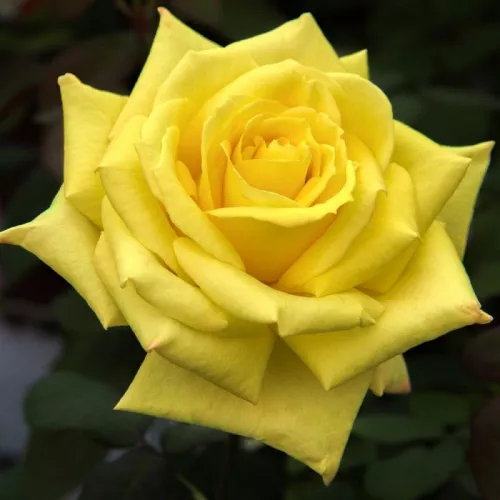
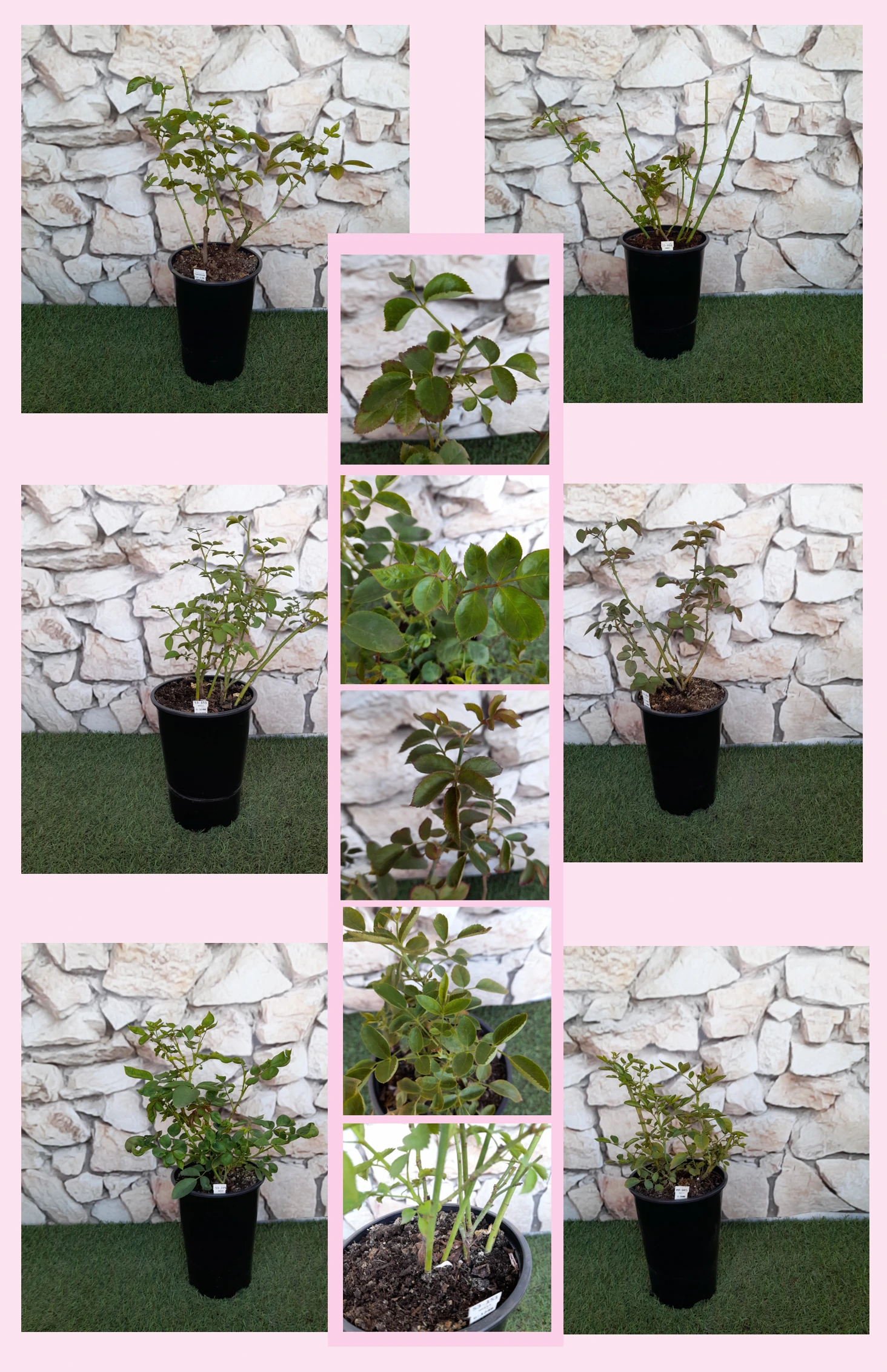
Step outside to soft rain and golden petals: NICOLAS HULOT® brings a mood of gentle contentment to Irish cottage borders and neat Dublin front gardens. Tall, upright stems carry XL blooms in a warm, sun‑yellow shade, perfect for cutting and bringing that same relaxed ambience indoors. Bred by Meilland, this hybrid tea delivers a reliably remontant display, performing steadily even in damp summers with their constant humidity and light showers. Each very double, high‑centred flower slowly shifts from bright lemon to creamy, buttery tones, while the powerful rose‑and‑peach fragrance lingers on the air. As an own‑root rose it settles in for the long term, building roots in year one, strong shoots in year two, and full ornamental value by year three for relaxed gardening.
Usage options
| Target area |
Reasoning |
| Feature rose in a small front garden |
The upright habit and XL, exhibition‑style blooms mean one or two plants create a clear focal point without overwhelming a compact space, giving structured beauty with very strong scent close to the front door – ideal for the fragrance‑loving beginner. |
| Romantic Irish cottage‑garden border |
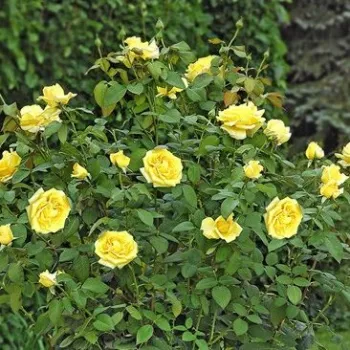
Planted at 60–90 cm spacing among perennials, its dense foliage and tall stems thread warm yellow through looser cottage planting, repeating flowers across the season while coping steadily with frequent light Atlantic rain – perfect for a relaxed country‑style homeowner. |
| Cut‑flower row in a family garden |
High‑centred, solitary blooms on long stems are bred for cutting, opening slowly and holding form in the vase, so you gain reliable home‑grown bunches without needing a dedicated allotment – a pleasure for the busy urban gardener. |
| Specimen rose in a large container |
Grown in a 40–50 litre pot with good drainage, it offers a tall, elegant presence on patios or terraces, while the own‑root habit supports long‑term regeneration if pruned hard or weather‑damaged – reassuring for time‑pressed balcony‑and‑courtyard owners. |
| Sunny mixed shrub or rose bed |
Its medium maintenance needs suit those happy with simple, periodic spraying, and the dark, slightly glossy foliage sets off the shifting yellow tones, providing a classic structure that anchors more informal planting – a good fit for practical, style‑aware gardeners. |
| Warm, sheltered city garden |
With good heat tolerance and H6 hardiness, this variety thrives against warm walls or in urban microclimates, keeping blooms coming through short Irish summers as long as watering is regular – well suited to compact, sun‑catching city‑plot owners. |
| Long‑term family garden planting |
The own‑root form supports a long lifespan and stable flowering, regrowing true to type after hard pruning and avoiding the graft issues seen on older plants, so your investment matures gracefully with the garden – reassuring for long‑view family‑garden planners. |
| Structured “girly” border with soft colours |
Its refined hybrid‑tea shape and softening yellow tones combine beautifully with pink lupins and crocosmia, creating a feminine yet orderly border that still feels natural, even under Ireland’s high rainfall and gentle light – ideal for romantic, colour‑loving beginners. |
Styling ideas
- Cottage‑chic focal point – Place one plant near a gate or path, underplanted with low French marigolds for a warm, cheerful cottage welcome – for friendly, informal front‑garden owners.
- Soft yellow and pink duet – Pair with pink lupins and pale foxgloves for a “girly” pastel border that still has strong structure from the tall hybrid tea stems – for romantic, colour‑coordinating gardeners.
- City‑terrace statement pot – Grow in a 50 litre container with gravel mulch and simple evergreens, letting the big blooms and scent do the talking – for busy urban rose lovers.
- Cut‑flower corner – Line up several plants in a sunny strip so you can harvest long‑stemmed, perfumed blooms without spoiling the main border – for home florists and family hosts.
- Golden evening scent walk – Plant by a frequently used path or seating area, where the strong peach‑and‑rose fragrance can be enjoyed on damp evenings – for fragrance‑focused evening garden users.
Technical cultivar profile
| Aspect |
Data |
| Name and registration |
Hybrid tea rose, registered as MEIfazeda, marketed as Nicolas Hulot®, PERFUMELLA®, Golden Perfumella; exhibition hybrid tea suitable for garden and cutting use. |
| Origin and breeding |
Bred by Alain Meilland for Meilland International in France before 2004, introduced and registered in 2004, continuing the PERFUMELLA® scented hybrid tea line. |
| Growth and structural characteristics |
Upright, bushy plant 80–105 cm tall with 50–75 cm spread; dense, dark green, slightly glossy foliage; moderately thorny stems lend good support for large blooms. |
| Flower morphology |
Very double, high‑centred hybrid tea flowers with over 40 petals; XL blooms of 10 cm or more, borne mainly solitary on long stems, repeating with a plentiful second flush. |
| Colour data and phenology |
Warm sun‑yellow flowers (ARS yb; RHS 8B outer, 12A inner) opening bright, then fading to buttery and creamy lemon tones; colour retention moderate in strong sun. |
| Fragrance and aroma |
Very strong, garden‑filling perfume combining classic rose with ripe peach notes; ideal for seating areas and cutting, with a scent that remains pronounced on damp evenings. |
| Hip characteristics |
Hip set limited due to very double flowers; occasional small ovoid hips 8–12 mm across, orange‑red when ripe, generally of minor ornamental value in typical garden use. |
| Resistance and winter hardiness |
Hardy to about −15 to −12 °C (H6; USDA 7b); good heat tolerance and moderate drought resistance; medium susceptibility to powdery mildew and black spot, rust resistant. |
| Horticultural recommendations |
Best in fertile, well‑drained soil with regular feeding and watering; tolerate partial shade; periodic fungicide sprays advised; spacing 50–90 cm depending on hedging or specimen use. |
NICOLAS HULOT® offers richly scented golden blooms, reliable repeat flowering and long‑term own‑root resilience, making it a thoughtful choice for Irish gardens where you prefer beauty with minimal complication.