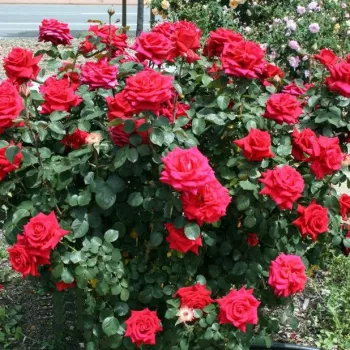
National Trust – scarlet hybrid tea rose
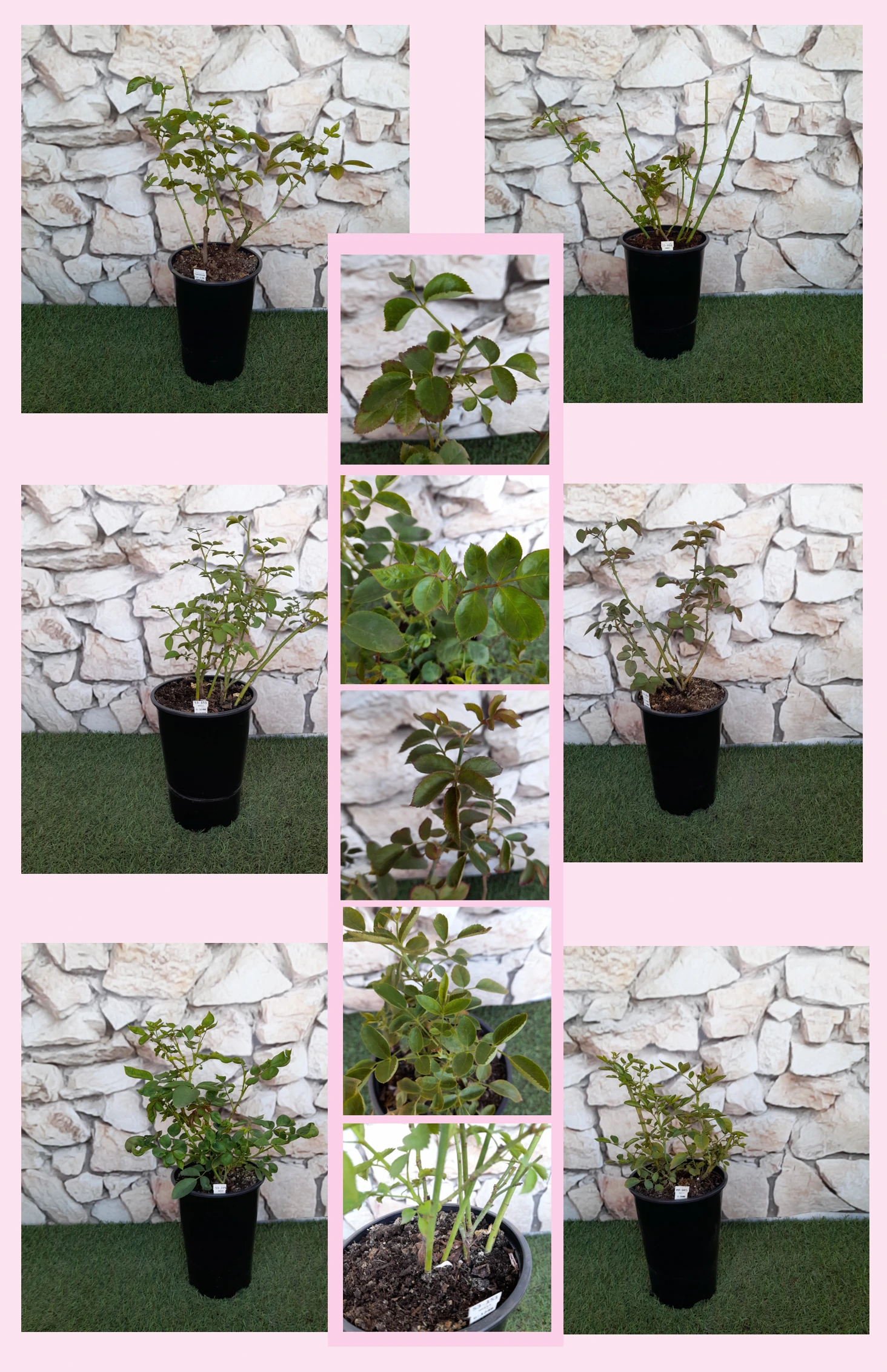
Step out to your front path and meet ‘National Trust’, a compact hybrid tea rose that turns an ordinary Irish garden into a scene of quiet, cheerful elegance. Large, high‑centred blooms open in a vivid, velvety scarlet, holding their colour with impressive stability even through humid showers and soft coastal light, while coping reliably with our cool summers and frequent rainfall. Bushy yet well‑behaved, it is easy to place in a small Dublin terrace frontage or a cottage border, where its exhibition‑style flowers are perfect for cutting and bringing indoors. Grown on its own roots, it settles in steadily and can regenerate well after hard pruning or weather setbacks, rewarding a little basic care with many years of ornamental value as it moves from establishing roots, to building shoots, to full display in its third season.
Usage options
| Target area |
Reasoning |
| Dublin terraced-house front garden |
The compact, bushy habit and 80–100 cm height suit narrow beds along railings or paths where you want structure without overpowering the space. Large, formal scarlet blooms create an instant focal point for passers‑by who appreciate refined kerb appeal, busy urban gardeners |
| Irish cottage border |
In mixed cottage planting, the rich scarlet colour stands out among soft perennials without clashing, while the classic, high‑centred blooms bring a “girly”, romantic note. Own‑root growth matures steadily into a dependable shrub that fits informal, lived‑in gardens, nature‑oriented homeowners |
| Small family flower bed |
Recommended spacings of 50–60 cm make it easy to design a simple, repeatable planting pattern along a lawn or patio edge. Medium maintenance means just routine deadheading and seasonal feeding for long, remontant flowering, time‑pressed families |
| Cutting patch for home bouquets |
The solitary, high‑centred blooms on strong stems are ideal for cutting and arranging, echoing exhibition roses in your own kitchen. Colour‑stable petals hold their scarlet tone in the vase, giving reliable results without specialist floristry skills, creative hobby florists |
| Feature rose in a mixed hedge |
Planted at about 50 cm intervals within a low mixed hedge, this variety adds formal, ruby‑red highlights against evergreen structure. Its bushy frame and dark, glossy foliage knit neatly with companion shrubs, extending ornamental interest across the season, design‑conscious gardeners |
| Own-root longevity bed |
As an own‑root rose, any shoots that die back can regenerate from the true variety below soil, helping preserve shape and flower quality over many years. This brings peace of mind if winters are harsh or pruning is occasionally delayed, long‑term planners |
| Clay soil garden with improved drainage |
On typical Irish heavy clay, raised beds or well‑prepared planting holes with grit and compost let its roots establish gradually and securely. Once settled, the compact bush copes well with our soft, damp climate and frequent showers, practical problem‑solvers |
| Large decorative container (40–50 L+) |
In a 40–50 litre or larger pot with free‑draining compost, this hybrid tea becomes a movable accent for patios or front steps. The controlled size and formal blooms deliver high impact in a confined footprint, ideal where ground planting is limited, balcony and patio owners |
Styling ideas
- Cottage-Scarlet Border – Weave National Trust through a loose border with Anemone ‘Fantasy Belle’ and softly textured grasses to offset its formal blooms – for romantic cottage‑style enthusiasts
- Front-Path Focus – Line a short front path with evenly spaced plants, underplanting with low Alchemilla or Irish moss to frame the scarlet flowers – for homeowners seeking simple kerb appeal
- Patio-Container Accent – Grow a single plant in a 50‑litre terracotta pot with trailing lobelia to soften the rim and highlight the velvety red blooms – for balcony and patio gardeners
- Evergreen-Contrast Strip – Combine with small Ilex crenata domes so the dark, glossy foliage and ruby flowers pop against clipped green structure – for fans of neat, architectural planting
- Cutting-Corner Patch – Dedicate a sunny square near the back door to a small grid of bushes, easy to reach for regular stem cutting for the house – for those who love fresh indoor bouquets
Technical cultivar profile
| Property |
Data |
| Name and registration |
Hybrid tea rose, registered as ‘National Trust’; commercial type hybrid tea, exhibition tea‑hybrid; trade name National Trust Hybrid tea rose National Trust; ARS exhibition name National Trust. |
| Origin and breeding |
Bred by Samuel Darragh McGredy IV (Samuel McGredy & Son, Nurserymen); cross ‘Evelyn Fison’ × ‘King of Hearts’; introduced and registered in 1970, bred in the United States. |
| Awards and recognition |
Recognised with Belfast Certificate of Merit and RNRS Trial Ground Certificate in 1969, and a Silver Medal at the Kortrijk / Courtrai Rose Trials in 1970, reflecting solid garden and exhibition performance. |
| Growth and structural characteristics |
Bushy, compact shrub reaching about 80–100 cm high and 60–80 cm wide; medium‑density, dark green glossy foliage; moderately thorny shoots; weak self‑cleaning so deadheading of spent blooms is recommended. |
| Flower morphology |
Very double, high‑centred, pointed buds in classic cut‑rose style, usually borne singly; large 7–10 cm blooms with more than forty petals; remontant habit with an abundant second flush in suitable conditions. |
| Colour data and phenology |
Vivid scarlet red with velvety depth; ARS code dr, RHS 53A outer and 46A inner petals; colour remains intense and stable, only gently mellowing to deep ruby red as flowers age towards senescence. |
| Fragrance and aroma |
Classed as a scentless rose with no noticeable fragrance; grown primarily for its strong colour, formal high‑centred flower form and exhibition quality rather than for olfactory or culinary applications. |
| Hip characteristics |
Rose hips form sparsely due to very double flowers; occasional ovoid, egg‑shaped hips about 10–14 mm in diameter, coloured orange‑red, adding modest late‑season interest where present. |
| Resistance and winter hardiness |
Hardy to approximately –21 to –18 °C (H7; USDA 6b; Swedish zone 3); moderate resistance to black spot, powdery mildew and rust, so occasional preventative care is advisable in humid climates. |
| Horticultural recommendations |
Best in sunny sites with fertile, well‑drained soil; recommended for beds, edging, front gardens, larger containers and cutting; typical spacing 50–60 cm, with around three plants per square metre in mass plantings. |
National Trust offers velvety scarlet blooms, compact structure and dependable own-root resilience, making it a thoughtful choice for long-lived, easy-care colour in your Irish garden.