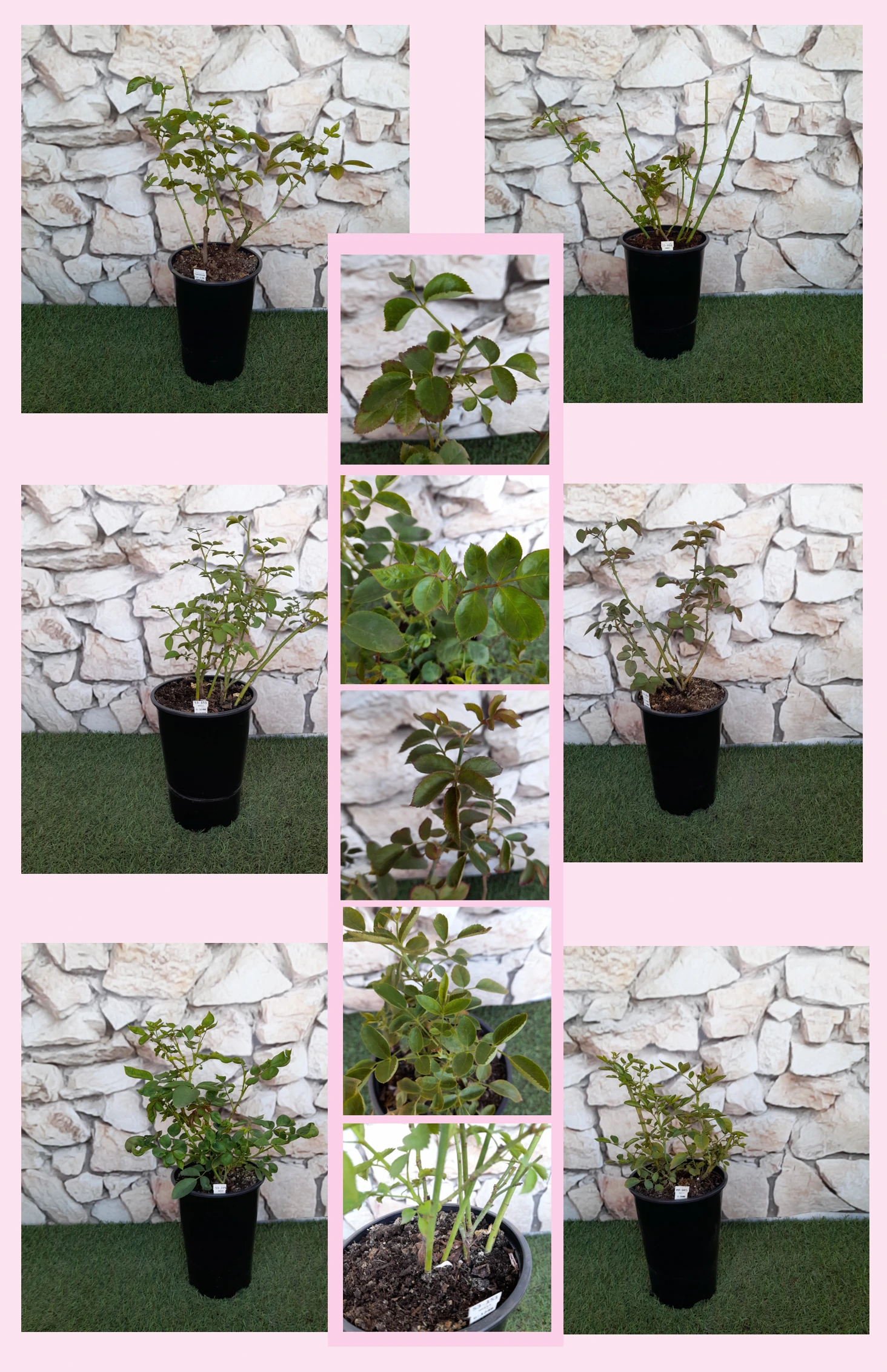
PERSIAN DAWN – pink-lilac climbing rose - Vissers
Let PERSIAN DAWN bring a soft, romantic glow to your small Irish garden, its pastel flowers and darker eye recalling a gentle sunrise after rain. This own-root climber settles in steadily, rewarding you with reliable growth and blossoms that suit the softer light of our shorter summers and frequent showers, even where winds are tinged with sea-air and extra rainfall. Semi-double blooms open wide, offering golden stamens to foraging bees, while the plant’s easy-care, medium maintenance nature keeps your weekend jobs pleasantly simple. Over the first three years it focuses on roots, then shoots, before reaching full ornamental value, so you can relax and enjoy its graceful climber habit and naturalistic charm with cheerful contentment.
Usage options
| Target area |
Reasoning |
| Cottage-style front garden arch or porch pillar |
The moderate height and spreading, flexible canes make it ideal for training over an arch or around a porch, giving a soft, romantic welcome near the front door with minimal pruning demands, perfect for the occasional gardener homeowners |
| Small Dublin terrace boundary or screen |
Its 250–400 cm height and 150–250 cm spread allow it to clothe railings or light trellis, providing privacy and colour in compact plots while remaining manageable, offering a gentle, lived-in look rather than a formal wall of foliage urban-gardeners |
| Mixed border with perennials and grasses |
Semi-double, open flowers and accessible stamens make it a useful pollinator stop, weaving through catmint, bluebeard and airy grasses to create a naturalistic feel and movement without demanding complicated care routines nature-lovers |
| Feature rose in a small family back garden |
As an own-root climber, it is built for longevity; even if canes are damaged, new shoots arise from below ground, helping maintain a stable show of colour for years with simple, occasional tying-in and light trimming long-term-planners |
| Climbing accent near patio or seating area |
The mild, subtle fragrance and constantly changing pink-lilac tones create a calm backdrop for evening sitting-out spaces, while good heat tolerance means it copes well beside sun-warmed paving during brighter spells relaxation-seekers |
| Rope, fence or low pergola for children’s corner |
The creeping, trainable habit lets you guide stems along low structures, forming a soft, flower-laced frame above play spaces, with self-cleaning blooms reducing the amount of deadheading needed on busy school-week evenings families |
| Rose and shrub combination bed on heavier soil |
Medium disease resistance and tolerance of Irish conditions make it a reliable partner where heavy clay needs decent drainage and mulch; once established, it repeats well after the first flush for long seasonal interest beginner-gardeners |
| Large container on balcony or paved yard |
In a 40–50 litre or larger container with good drainage, it offers vertical colour where ground planting is limited, giving a long-season display of pastel blooms above foliage that stays reasonably healthy with straightforward care apartment-owners |
Styling ideas
- COTTAGE-ARCH – Train Persian Dawn over a narrow arch with low-growing catmint at the base to echo its lilac tones – ideal for romantic cottage-style entrances.
- PASTEL-FRONT – Soften a terrace front wall by letting canes ramble on light trellis, underplanting with soft pink geraniums for a relaxed, easy-care streetscape – perfect for busy urban households.
- NATURAL-DRIFT – Weave stems through ornamental grasses and English bluebeard for a loose, naturalistic border that still flowers for months – suited to nature-focused gardeners.
- FAMILY-FRAME – Create a simple pergola over a bench or play corner, allowing the climber to form a light, airy canopy with minimal pruning – great for family back gardens.
- COURTYARD-POT – Grow it in a 50-litre half-barrel with gravel mulch, tying stems to a slim obelisk for height without taking floor space – perfect for compact courtyards or balconies.
Technical cultivar profile
| Characteristic |
Data |
| Name and registration |
Hybrid Hulthemia persica climbing rose; registered as VISeureye, marketed as PERSIAN DAWN – pink-lilac climbing rose - Vissers; ornamental climber from the antoniaROSE ORIGINAL own-root range. |
| Origin and breeding |
Bred by Martin Vissers in Belgium around 2010, introduced and registered in 2016 by Viva International, Netherlands; developed as an ornamental climbing rose with distinctive eye-zone colouring. |
| Awards and recognition |
Holder of a Certificate of Excellence from Boskoop’s Royal Horticultural Society – Excellence Roses, awarded in 2025, acknowledging its garden performance and ornamental value as a modern climbing rose. |
| Growth and structural characteristics |
Creeping, trainable climbing habit reaching about 250–400 cm high and 150–250 cm wide; moderately thorny, with mid-green, slightly glossy foliage of medium density, suitable for arches, fences and pergolas. |
| Flower morphology |
Semi-double, flat, cluster-flowering blooms, typically 13–25 petals and 4–7 cm across; flowers self-clean well, most spent blooms dropping naturally, and the variety repeat-flowers generously after the first flush. |
| Colour data and phenology |
Pink-lilac ground with a contrasting maroon to purple central eye and golden stamens; colours fade towards blush or white with a mauve eye, giving varied, painterly effects across the flowering period. |
| Fragrance and aroma |
Fragrance is mild and subtle, offering a light, pleasant scent rather than an overpowering perfume; best appreciated near paths, seating areas or entrances where flowers can be enjoyed at close quarters. |
| Hip characteristics |
Produces moderately abundant, small spherical hips, 7–10 mm in diameter, ripening to an attractive orange-red that can contribute additional seasonal interest for wildlife-friendly or naturalistic planting schemes. |
| Resistance and winter hardiness |
Rated to about -21 to -18 °C (RHS H7, USDA 6b, Swedish Zone 3); good heat and drought tolerance if watered in dry spells; resistant to powdery mildew and black spot, with medium susceptibility to rust. |
| Horticultural recommendations |
Best in full sun with reasonable drainage; plant 140 cm apart for hedges or mass, 220 cm as specimen; own-root plants suit long-term garden use, responding well to light pruning and regular mulching. |
PERSIAN DAWN – pink-lilac climbing rose - Vissers offers repeat flowering, pollinator-friendly semi-double blooms and long-lived own-root resilience; an inviting choice if you would like enduring colour with modest demands.