Historical Rose

40-046-1
40-046-2

Mrs. John Laing

Historic rose

- – Henry Bennett

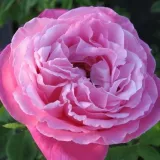
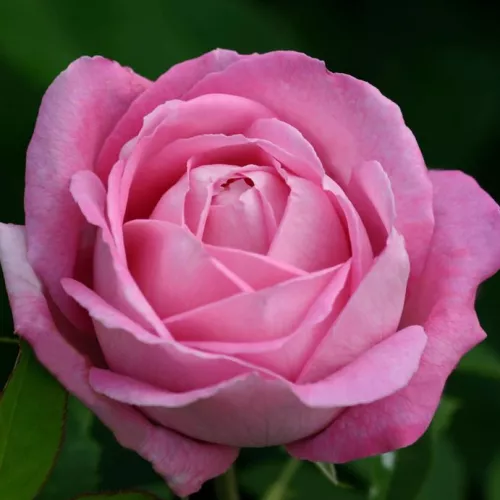
Silvery-tinged, soft mid-pink; becomes paler as it fades. - historic, perpetual hybrid rose - very strongly scented, noticeable from a distance rose - deeply sweet, tea-like, rose-like

– Bláthanna móra, posáideacha i ndath bándearg mín.
– Cumhrán an-láidir, milis le nótaí tae.
– Athbhláthú flúirseach ó samhradh go dtí an fhómhar.
– Stoc díreach, beagán dealga, oiriúnach mar ghearrbhláth.
– Cruas geimhridh an-ard, iontaofa in aeráidí fuara.
Gné speisialta: Rós stairiúil gradaim bhuaite le stíl chlasaiceach galánta agus hipíní dearga maisiúla sa gheimhreadh.
Real photographs – Refined garden style
Mrs. John Laing
antoniaROSE® ORIGINAL rós i bpota 2 lítear ar a fhréamhacha féin
19,10 €
As stoc. Faoi shaothrú. Go sealadach gan fáil.
3 (3253)
facebook   twitter

MRS. JOHN LAING – pink historical perpetual hybrid rose - Bennett

Allow elegance to drift into your garden with ‘Mrs. John Laing’, a classic Hybrid Perpetual whose large, silky pink blooms carry an intensely sweet, tea-like fragrance that you notice the moment you step outside. This historic, remontant rose repeats generously through our short Irish summers, giving wave after wave of romantic flowers rather than a single flush. On its own roots it builds longevity and stability, quietly thickening up year by year with reliable structure and the ability to bounce back if winter or pruning are a bit tough. It copes well with soft Irish light and breezy, moist air, shrugging off the sort of cool, changeable weather that can frustrate fussier roses. In the first year it puts its energy into roots, in the second into strong new shoots, and by the third it settles into its full, cottage-garden character, becoming a graceful, lightly thorned presence beside a path or in front of a Dublin terrace.


Usage options

Target area Reasoning
Front-garden specimen beside a path or doorway The extra-large, soft pink, very double blooms have a refined, welcoming presence, while the powerful, classic scent drifts towards the front gate and windows. Own-root growth gives a long-lived focal point that settles in steadily for patient beginners and busy homeowners.
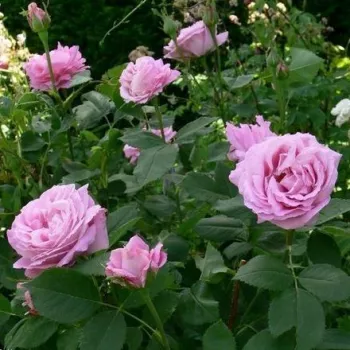
Cottage-style mixed border in a family garden Its upright habit and 110–160 cm height make it easy to thread between perennials, while repeat flowering keeps colour going for much of the season. Once established, the own-root framework ensures dependable, year-on-year performance for relaxed, time-pressed hobby gardeners.
Romantic flowering hedge along a boundary Planted at about 90 cm, it forms a loosely upright, lightly clad hedge with big, fragrant blooms at eye level. Own-root planting supports long-term regeneration from the base, ideal where you want a gently formal line without complex pruning for family gardeners.
Cutting patch for scented garden bouquets The solitary, XL flowers on strong stems are naturally suited to cutting, and the fragrance remains intense indoors. Repeat blooming means you can harvest stems over many weeks, with own-root plants staying productive for years, suiting scent-loving home florists.
Historic or period-style planting scheme As an 1887 Hybrid Perpetual with notable show awards, it anchors heritage borders with authenticity. Its gently matt, light green foliage and pastel flowers give a true Victorian look, while own-root durability supports long-lived displays valued by heritage enthusiasts.
Large container on a sheltered patio (40–50 L+) In a generous, well-drained pot, it becomes an upright, fragrant feature close to seating. The own-root system fills the container steadily, supporting long-term use, provided watering is regular in warm spells, which suits detail-oriented but space-limited urban gardeners.
Lightly shaded, east- or north-facing bed Its tolerance of partial shade allows placement where many roses sulk, such as along a side passage or near taller shrubs. In such spots, cool air and soft light favour the nostalgic pastel colouring, making it a good choice for thoughtful, shade-challenged gardeners.
Sheltered spot in humid, wind-touched Irish gardens Medium disease resistance works well when combined with good air flow, and its robust, upright frame handles typical Irish breezes and moist air from the Atlantic, especially if soil is well drained and mulched. Own-root resilience reassures cautious, climate-aware beginners.

Styling ideas

  • Cottage-Romantic Border – Combine with foxgloves, campanulas and soft grasses for a loose, storybook look where large, fragrant blooms repeat through summer – ideal for lovers of traditional Irish cottage gardens.
  • Victorian Front Garden – Underplant with Vinca minor and edging thrift to frame a single specimen by the gate, using its historic pedigree and strong scent to echo period Dublin terraces – suited to heritage-conscious city dwellers.
  • Soft-Pink Hedge – Create a low, flowering division with plants at 90 cm, weaving in Japanese sedge at the base to highlight the pastel blooms – perfect for families wanting gentle structure without a hard fence line.
  • Perfumed Patio Pot – In a 50 L container with good drainage, pair with trailing thyme and creeping phlox to spill over the rim, bringing repeat-flowering fragrance to seating areas – made for balcony and courtyard gardeners.
  • Cut-Flower Corner – Dedicate a small bed to several plants, interplanted with filler flowers like astrantia for home arrangements, relying on own-root longevity to keep stems coming – appealing to home florists and bouquet makers.

Technical cultivar profile
Parameter Data
Name and registration Historic Hybrid Perpetual rose, trade name Mrs. John Laing, exhibition name Mrs. John Laing; unregistered cultivar traditionally classified as a remontant hybrid for garden and show use.
Origin and breeding Bred by Henry Bennett in the United Kingdom around 1885, from ‘François Michelon’ × unknown seedling; introduced 1887 via distributors in the USA and later Australia for wider circulation.
Awards and recognition RNRS Gold Medal in 1885, later honoured with American Rose Society Victorian Certificates in 1999 and 2000, confirming its enduring value as a historic exhibition and garden rose.
Growth and structural characteristics Upright shrub rose reaching about 110–160 cm in height and 120–180 cm spread, with dense, light green, matt foliage and relatively few prickles, giving a refined yet substantial garden presence.
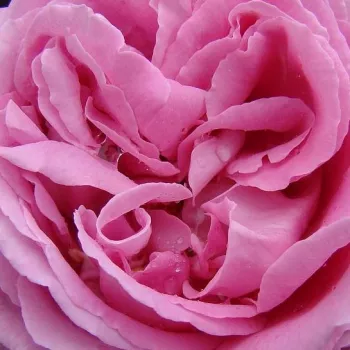
Flower morphology Very double, ball to pompon-shaped blooms with more than 40 petals, typically produced singly on stems; flower diameter exceeds 10 cm, creating a full, luxuriant appearance in every flush.
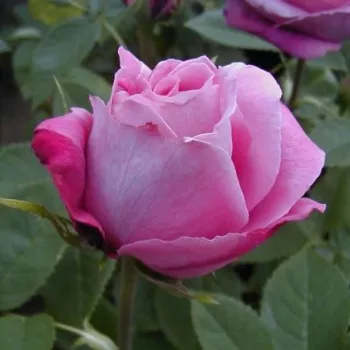
Colour data and phenology Buds open deep carmine-pink, then soften to mid-pink with lilac-silver tones, finally fading to pale, porcelain pastel pink; ARS colour code lp, RHS 65C outer petals and 65D inner surfaces.
Fragrance and aroma Very strongly scented, with a deeply sweet, classic rose perfume enriched by tea-like notes; fragrance is detectable from a distance outdoors and remains pronounced on cut stems indoors.
Hip characteristics Forms moderately abundant, egg-shaped hips about 10–14 mm across, coloured red to RHS 44A, developing after flowering when spent blooms are not removed and adding subtle autumn interest.
Resistance and winter hardiness Hardy to approximately −34 to −32 °C (USDA zone 4a, RHS H7, Swedish zone 5); medium resistance to powdery mildew, black spot and rust, benefiting from good air circulation and hygiene.
Horticultural recommendations Best in deep, well-drained, humus-rich soil with regular watering; tolerates partial shade, needs occasional deadheading and pest checks, spacing 90–165 cm depending on hedge, border or specimen use.

MRS. JOHN LAING offers sumptuous, powerfully scented blooms, romantic repeat flowering and steady, long-lived own-root growth, making it a thoughtful choice for gardeners seeking a graceful, enduring feature.
Detailed product attributes

Product Identification Data

Product Name: MRS. JOHN LAING – pink historical perpetual hybrid rose - Bennett
Product Type: antoniaROSE® ORIGINAL - rós i bpota 2 lítear ar a fhréamhacha féin
Cultivar Authenticity: Cigireáilte:26.08.2025
Cultivar Merit Rating: premium silver
Item Number: [947] 40-046 (14.02.2026) antoniarose.ie

Name and Registration

Cultivar Name Meaning: The name was given in honour of Sarah Wood Laing, the wife of British construction magnate John Laing.
Trade Name: Mrs. John Laing Historic rose Bennett
Rose Group: Hybrid Perpetual
Commercial Type: historic, perpetual hybrid rose
Commercial Group: Rós stairiúil
Exhibition Category: cut flower; exhibition remontant hybrid
Collection: Historic rose

Origin and Breeding

Initial Distributor: Chas. F. Evans (USA, 1887); C. F. Newman & Sons (Australia, 1894)
Registration Year: unregistered cultivar
Breeder: Henry Bennett
Breeding Company / Institution: unknown / no data
Breeding Year: United Kingdom, 1885
Parentage: ‘François Michelon’ × unknown seedling

Awards and Honours

Competition and Show Awards: RNRS Gold Medal (1885); American Rose Society "Victorian Certificate" (1999, Buckeye District); American Rose Society "Victorian Certificate" (2000, Las Vegas Valley)

Growth and Structural Characteristics

Height: 110-160 cm
Spread: 120-180 cm
Growth Habit: upright
Foliage: The cultivar has dense foliage, with matt leaves in a light green shade (RHS 138C).
Prickliness: barely thorny
Self-Cleaning Description: Most spent flowers remain on the plant and require later deadheading.
Self-Cleaning Intensity: self-cleaning: weak

Flower Morphology

Flower Fullness: very double-flowered
Flower Form: ball, pompon
Flower Size: XL (10 cm+)
Inflorescence Type: solitary
Colour Code: ARS code: lp RHS code: 65C (outer), 65D (inner)
Repeat Flowering: It is remontant and its second flowering is also abundant.

Colour Data and Phenology

Colour: pink
Flower Colour: Silvery-tinged, soft mid-pink; becomes paler as it fades.
Closed Bud: Deep carmine-pink with a delicate silvery sheen at the tip.
Freshly Opened Flower: Silky, mid-pink centre with lilac-silver outer tones.
Full Bloom: Uniform pastel pink with a pearlescent inner shade.
Pre-Fading Flower: Pale porcelain-pink with a silvery-white fading at the edges.
Colour Fading Description: Noticeably fades: the deep carmine-pink bud shifts to mid-pink, then to pastel and finally to a pale porcelain pink, with a silvery‑whitish fading at the edges.

Fragrance and Aroma

Fragrance Strength: very strongly scented, noticeable from a distance rose
Fragrance Character: deeply sweet, tea-like, rose-like
Pollinator Attraction: Double (very full) blooms do not attract pollinators because the dense petal form hides the stamens and makes nectar and pollen inaccessible.
Pollinator-Friendly Rating: not pollinator-friendly

Rose Hip Characteristics

Rose Hip Shape: egg-shaped
Rose Hip Colour: red (RHS 44A)
Rose Hip Notes: Moderately abundant, 10–14 mm in diameter, ovoid, red (RHS 44A) rose hip.

Resistance and Hardiness

Hardiness (°C): -34–-32 °C
Heat and Drought Tolerance Description: Performance may decline in hot conditions; it does not tolerate prolonged drought and requires regular watering.
Disease Resistance: medium
  • powdery mildew – medium
  • black spot – medium
  • rust – medium

Horticultural Recommendations

Recommended Spacing: for mass planting 105 cm, for a hedge 90 cm, as a specimen 165 cm
Planting Density: square planting 0,9 plant/m², hexagonal arrangement 1,0 plant/m²
Partial Shade Tolerance: Tolerates partial shade
Maintenance Requirements: Maintenance requirement medium; occasionally requires pest control.
Key Uses: border, specimen, cut flower, park, container, hedge

Notes

Strengths: Real photographs – Refined garden style
Companion Plants: Carex morrowii - Japanese sedge Vinca minor - lesser periwinkle Phlox subulata - creeping phlox
Note: -
MRS. JOHN LAING – pink historical perpetual hybrid rose - Bennett
Silvery-tinged, soft mid-pink; becomes paler as it fades. - historic, perpetual hybrid rose - very strongly scented, noticeable from a distance rose - deeply sweet, tea-like, rose-like
Ceannaigh rósanna ar líne - historic, perpetual hybrid rose - Mrs. John Laing - pink - (110-160 cm)
Bláthaireacht: solitary airde: 110-160 cm Cruth na bláthanna: ball, pompon Friotaíocht gheimhridh: 6b pink - Chas. F. Evans (USA, 1887); C. F. Newman & Sons (Australia, 1894) historic, perpetual hybrid rose - Méid an bhlátha: XL (10 cm+) Méid an bhlátha: XL (10 cm+) - airde: 110-160 cm airde: 110-160 cm - Líon bláthanna: very double-flowered Mrs. John Laing - Rósanna sa ghairdín | antoniaROSE® Original - premium silver Henry Bennett

Léirímid cuma sheachtrach ár rósanna atá le ceannach ar líne ónár siopa gréasáin.


Which product type is right for you?


Information

In what condition do we send the roses from our online shop?

Let us ask ourselves the question: What do I want to use the rose for?
Flower? – Location? – Screening? – Fragrance? – Height? – Breeder? – Rose hips?

Rose purchase information
Payment methods – Delivery costs – Delivery – Complaints handling

Care guide

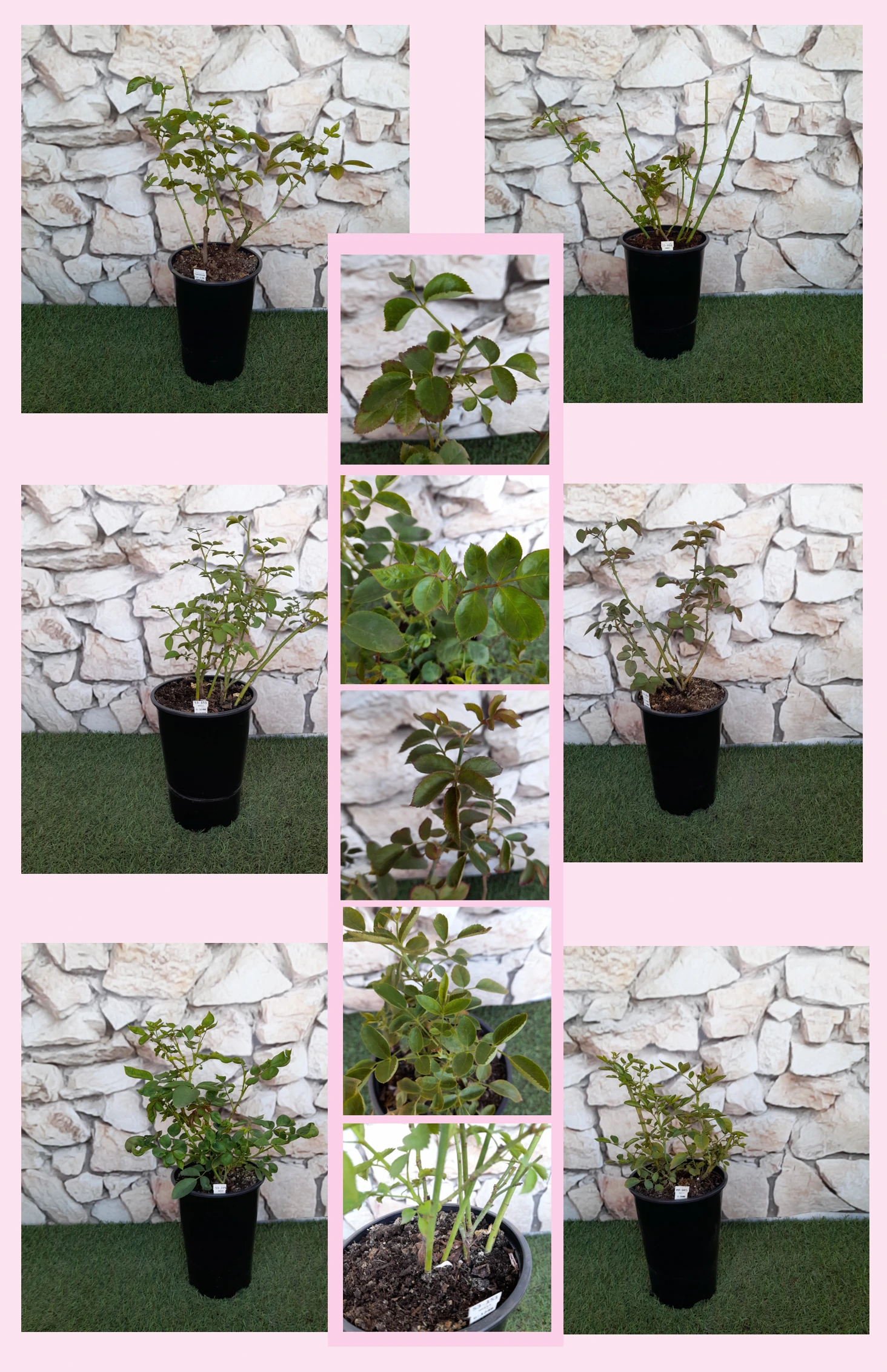
Our product is a rose grown with unique pharmaROSA® cultivation technology!

2 litre, own-root, potted rose.
With shoots appropriate to the season.
With roots thoroughly interwoven through the growing medium.
Quality in line with the requirements of the E.N.A. (European Nurserystock Association).
In unique packaging that prevents damage.
Can be planted during frost-free periods.
True-to-type rose plant with an individual identifier.

The pharmaROSA® own-root potted rose is a well-rooted plant that supports reliable establishment when planted and cared for properly, so it can be planted whenever the soil is not frozen.


Stock: several varieties and several stages of development in a short stock section.
Shoot system: intensive growth of fresh basal shoots on a young plant.
Root system: presentation of the strong root system interwoven through the growing medium with the pot removed.
Balance: mature plant where the development of the root system and the shoots is in harmony.

Information about the videos
The video series is not a “seasonal showcase”, but makes the essence of pharmaROSA® own-root production tangible: how the plant is built, what the root system is like and how the shoots renew themselves. The footage was therefore taken at different times, showing plants at different stages of development, so mixed leaf coverage or differing growth stages may appear in the videos. This is not a “sample” of the batch delivered, but an illustration of how the technology works. The current condition of the rose available to order — typical of the given period and similar to what you can expect to receive in the parcel — is shown at the top of the product page.

pharmarosa.ptpharmarosa.hupharmarosa.dkdenisarose.frfrancescarose.itcharlotterose.bekimrose.nlpharmarosa.skpharmarosa.atpharmarosa.co.ukpharmarosa.czpharmarosa.depharmarosa.ropharmarosa.sipharmarosa.hrpharmarosa.grpharmarosa.iepharmarosa.espharmarosa.plpharmarosa.lupharmarosa.bgpharmarosa.ltpharmarosa.sepharmarosa.lvpharmarosa.eepharmarosa.fipharmarosa.ru

Cineálacha táirgí

Pages for private customers
Garden roses for the family garden, with minimal care  → ORIGINAL®
Premium garden roses – instant impact, a truly showpiece garden  → EXTRA®
Pages for professionals and private customers
Roses for public spaces – large areas, sustainable maintenance  → NATURAL®
Roses for projects – hedge and row planting, fast implementation  → RAPID®
For professional partners only
Production – propagation material for garden roses, wholesale  → NEONATAL®

Sonraí cuideachta

PharmaRosa Ltd.
Company registration number: 01-09-717479
VAT number: 13075314-2-43
Plant health registration no.: HU130721
Bank account (IBAN):
HU85117631891388688400000000
BIC (SWIFT): OTPVHUHB
Bank name: OTP Bank Nyrt.