MOZART – pink-white park rose - Lambert
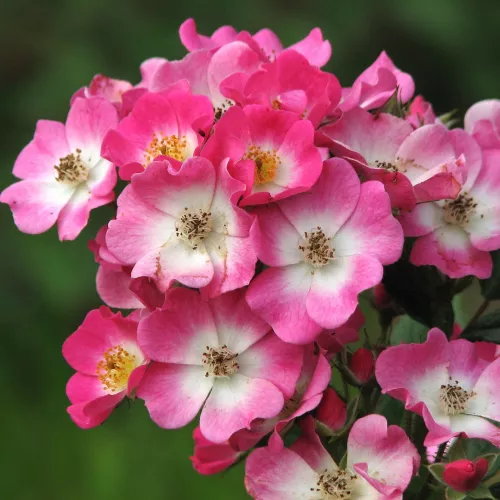
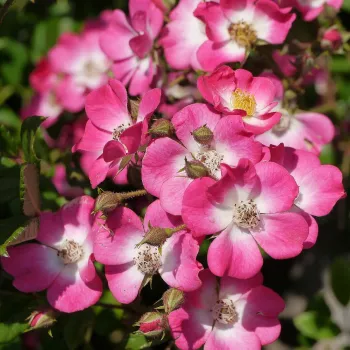
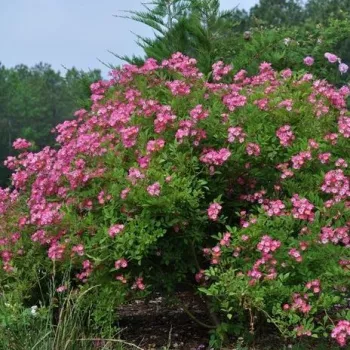
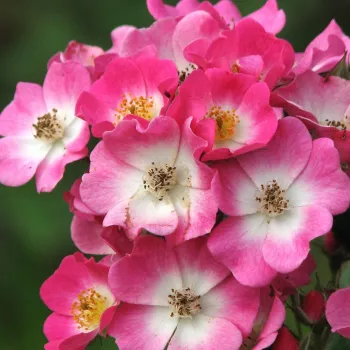
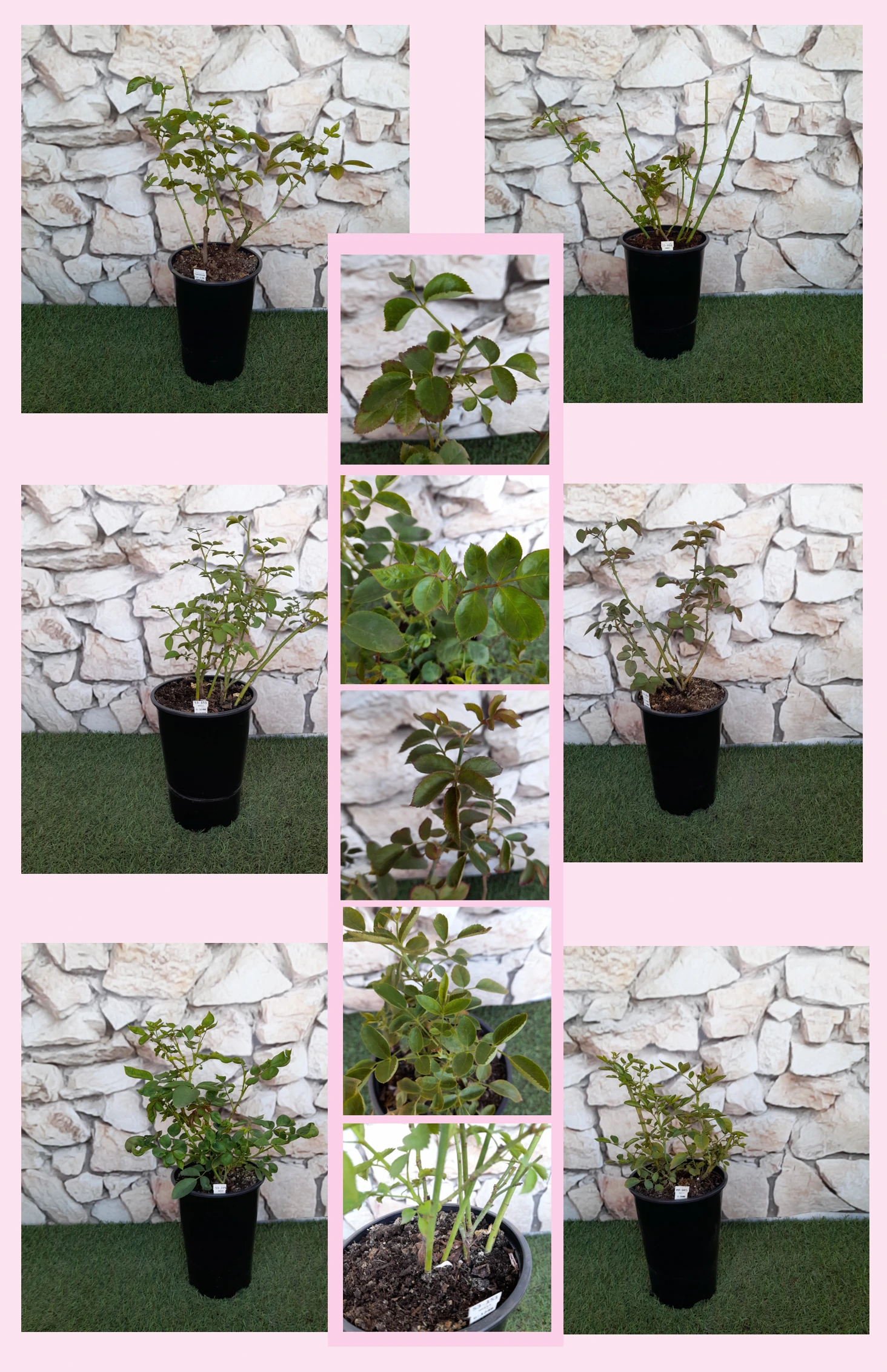
Step outside after a shower and let Mozart colour your garden with light, airy clusters of pink and white, its simple blooms stirring a sense of contentment in even the smallest Irish cottage plot. This classic shrub rose was bred for harmony, weaving easily into mixed borders and front gardens where you want flowers rather than fuss. Its single, open blooms are a quiet haven for bees, while the mild, muscat-like fragrance brings gentle delight on damp, soft evenings. Own-root plants settle in reliably, building strength year by year for a long-lived, stable display that shrugs off everyday family life and unpredictable weather. Ideal where rainfall and changeable summers are the norm, it repeats generously from early summer well into autumn, finishing with dainty orange-red hips. Choose it for low-stress, long-term beauty and a garden that feels naturally alive.
Usage options
| Target area |
Reasoning |
| Informal cottage-style flower bed |
The airy clusters of small, single flowers bring an old-world, cottage charm that blends easily with perennials and grasses, giving you colour without a rigid, formal outline. Its medium maintenance level suits relaxed, lived-in beds for the hobby gardener. |
| Bee-friendly front garden near the pavement |
The open, easily accessible flowers are particularly attractive to bees, with continuous flushes providing a long season of forage in city streets. Light fragrance and modest size keep it neighbour-friendly for the nature-oriented buyer. |
| Informal flowering hedge along a boundary |
The upright, bushy habit and 140–200 cm height make a soft, semi-transparent hedge that flowers freely and then decorates itself with orange-red hips, giving privacy without feeling heavy for the family garden owner. |
| Specimen shrub in a small lawn |
Planted as a single focal point, its pink-and-white corymbs create a striking, ever-changing display that looks refined but is easy to look after, rewarding simple feeding and mulching for the busy homeowner. |
| Mixed border in partial shade |
This cultivar tolerates partial shade, so it copes well in Dublin terraces or side gardens where sun is limited yet you still want reliable flowering and healthy foliage for the urban garden owner. |
| Wind-exposed or coastal-town garden |
The sturdy shrub framework and own-root resilience help it cope with breezier, exposed plots where showers blow through quickly and summers are short and cool for the Atlantic-climate gardener. |
| Long-term, low-fuss planting in heavy clay soil |
With sensible drainage and mulching, own-root plants establish deep, regenerative roots, so after the first seasons of settling in they give stable flowering with modest care in more challenging clay for the beginner gardener. |
| Large container on a terrace or patio |
Grown in a 40–50 litre pot with good drainage, it offers repeat flowering and decorative hips while remaining manageable, and its growth arc from strong roots to full top growth brings reliable structure over the years for the balcony and patio gardener. |
Styling ideas
- Cottage-duet – Underplant with lavender and hardy geraniums to echo the airy, pink-and-white clusters, creating a soft Irish cottage feel – suited to romantically inclined homeowners.
- Bee-border – Combine with Echinops and Achillea to extend nectar through the season and support pollinators around its single blooms – ideal for wildlife-conscious families.
- Frontage-finesse – Line a short front boundary with a loose hedge of this rose and catmint for a welcoming, low-maintenance street presence – perfect for busy city dwellers.
- Pastel-parterre – Mix with blush peonies and pale foxgloves for a refined, feminine palette that still feels informal and easy to manage – attractive to lovers of classic gardens.
- Grassy-harmony – Thread among Pennisetum and other ornamental grasses so flowers float above soft plumes, giving movement and long-season interest – appealing to modern, design-aware gardeners.
Technical cultivar profile
| Parameter |
Data |
| Name and registration |
Mozart is a classic shrub rose and park rose, exhibited in the shrub class, with American Rose Society approved exhibition name ‘Mozart’; this cultivar is unregistered but widely recognised. |
| Origin and breeding |
Bred by Peter Lambert in Trier, Germany, from ‘Robin Hood’ × ‘Rote Pharisäer’; breeding completed in 1936, introduced 1937 by Baumschule Peter Lambert as a free-flowering garden shrub. |
| Awards and recognition |
Holds the Royal Horticultural Society Award of Garden Merit (1993) and multiple American Rose Society classic shrub awards, confirming dependable garden performance and proven ornamental value. |
| Growth and structural characteristics |
Upright shrub reaching about 140–200 cm high and 130–190 cm wide, moderately thorny with mid-green, slightly glossy foliage of medium density, forming a gently arching, well-branched framework over time. |
| Flower morphology |
Single, flat flowers with around 5–12 petals, small sized at 1–4 cm, carried in large, corymbose clusters; remontant habit with an abundant second flush following the main early-summer flowering. |
| Colour data and phenology |
Bud dark crimson-pink, opening vivid crimson-pink with a snow-white eye; colours soften to pale pink and soft lilac tones, the centre remaining white, with moderate fading in strong sun or as blooms age. |
| Fragrance and aroma |
Light, delicate fragrance with a subtle muscat-like character; scent is mild rather than overpowering, adding a gentle layer of enjoyment close-up without dominating seating areas or small front gardens. |
| Hip characteristics |
Produces moderate numbers of small, spherical orange-red hips, around 6–10 mm diameter, giving extra late-season interest and potential wildlife value after the flowering period has passed. |
| Resistance and winter hardiness |
Hardy to approximately −26 to −23 °C (RHS H7, USDA 5b, Swedish zone 4); disease resistance is medium to common foliar diseases, needing occasional monitoring and standard rose care in humid seasons. |
| Horticultural recommendations |
Best in well-drained soil with regular feeding and mulching; spacing about 110 cm in groups or 100 cm in hedges, with wider 180 cm spacing as a specimen to allow its natural arching form to develop. |
MOZART offers long-season, bee-friendly colour, gentle fragrance and enduring own-root resilience, making it a thoughtful choice for those seeking an easy, characterful shrub rose.