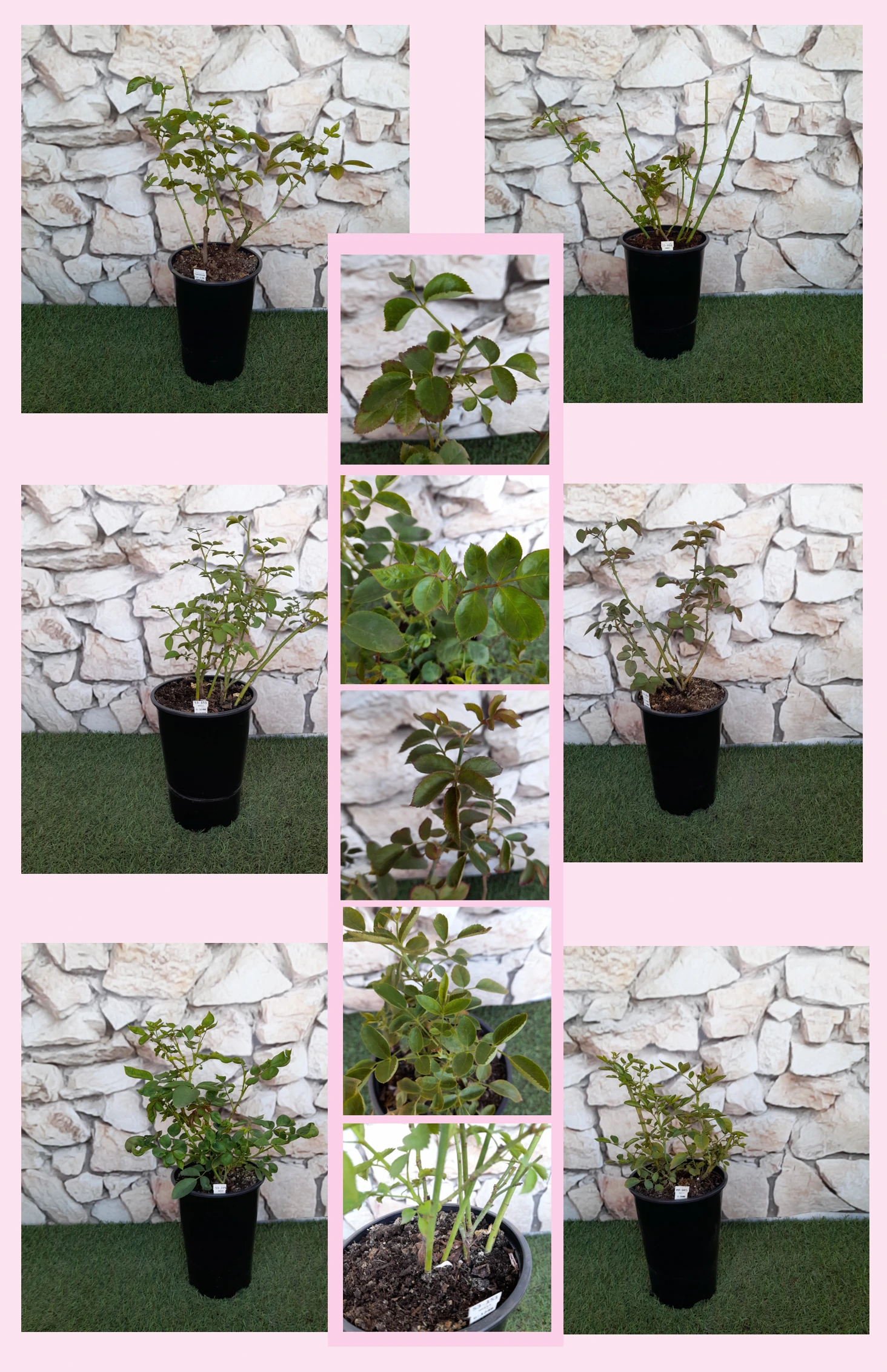
MOMO – crimson-red climbing rose – Noack
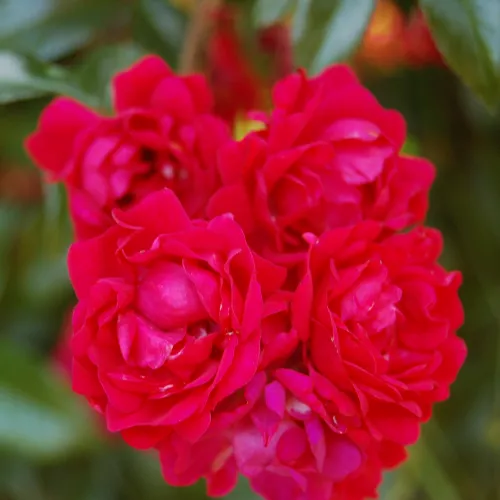
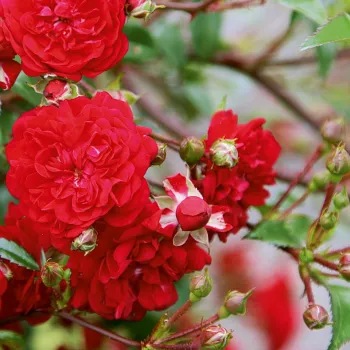
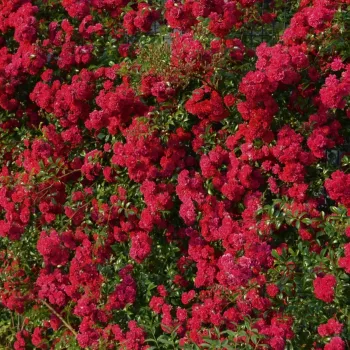
Breathe a sense of cottage romance into your garden with MOMO, a crimson-raspberry climbing rose that feels at home in Irish front gardens and snug terraces, even when days are grey and rainy with soft Atlantic light and fresh winds off the sea. Its dense dark foliage and clusters of small, pompon blooms create a naturally girly curtain of colour from early summer, with a generous remontant flush later on to keep walls, pillars and arches flowering when other plants tire. Bred by Noack for strong health, MOMO offers resistant foliage that shrugs off common fungal problems, reducing the need for sprays or complicated routines. Planted on its own roots in the pharmaROSA® ORIGINAL 2‑litre pot, it settles steadily, with roots establishing in the first year, shoots filling out in the second, and full ornamental impact by around the third, giving you a long-lived climber that can be gently trained over doorways, railings or pergolas for lasting charm without demanding expert care.
Usage options
| Target area |
Reasoning |
| Front garden arch or pergola |
MOMO’s vigorous climbing habit and 2–3 m height make it ideal for framing an entrance or path, while dense dark-green foliage ensures good coverage and privacy in small city plots; suited to homeowners who enjoy low-fuss structure and impact. |
| Dublin terraced-house railings or porch |
Its compact spread and cluster-flowered raspberry blooms create a soft, welcoming “girly” veil of colour along railings or porch supports without overpowering a narrow frontage; perfect for busy urban gardeners seeking romance with cottage. |
| Irish cottage garden wall |
The robust climber form easily clothes stone or rendered walls, and handles cool, damp Irish conditions with reliable vigour, bringing season-long colour that echoes traditional cottage style for charm. |
| Low-maintenance family garden feature |
Strong resistance to black spot, mildew and rust keeps foliage looking healthy with minimal spraying, fitting neatly into a family garden where time is short and children share the space with resistant. |
| Repeat-flowering focal point near seating |
The remontant flowering habit gives an early flush followed by a generous second wave, so a pergola or obelisk near a bench stays interesting throughout the short Irish summer for relaxed evenings with remontant. |
| Own-root long-term planting on boundary |
As an own-root rose, MOMO can regenerate from the base if cut back by wind or pruning, building strength over the first few years into a stable, long-lived boundary feature valued by planners of climber. |
| Large container on patio or balcony (40–60 L) |
In a substantial, well-drained pot of at least 40–50 litres, MOMO can be trained up trellis or wires, giving renters or balcony gardeners vertical colour with manageable size and simple care appealing to lovers of girly. |
| Wind-exposed coastal or suburban site |
Once rooted in, its sturdy framework and flexible canes cope well with breezier spots where soft light, frequent showers and Atlantic air prevail, rewarding patient training over years of use for admirers of rainy. |
Styling ideas
- Cottage Archway – Train MOMO over a simple metal arch, underplant with foxgloves and hardy geraniums for a traditional cottage feel – ideal for nostalgic cottage-garden romantics.
- Terraced Welcome – Let it climb slim supports by a Dublin doorstep with white Verbena hastata ‘White Spires’ in pots below – for urban homeowners wanting graceful colour in tight spaces.
- Soft Raspberry Screen – Use along a low fence, weaving stems for a semi-transparent screen with Persicaria at the base – suited to families needing gentle privacy without heavy hedging.
- Patio Feature Pot – Plant in a 50–60 L container with airy Verbena hastata ‘Pink Spires’ and a mulch of gravel – for renters who want vertical drama they can take with them.
- Evening Nook – Clothe a pergola over a small seating area, pairing with pale climbers or clematis for layered colour – perfect for those who savour quiet evenings outdoors.
Technical cultivar profile
| Characteristic |
Data |
| Name and registration |
Trade name MOMO – crimson-red climbing rose – Noack; ARS exhibition name ‘Momo’; large-flowered climber/rambler type in the Rós dreapadó commercial group. |
| Origin and breeding |
Bred by Werner Noack, Noack-Rosen, Germany; breeding year 1994, introduced 1995; parentage not recorded; distributed in Europe as an ornamental climbing rose. |
| Growth and structural characteristics |
Climbing habit with 2–3 m height and 1.2–2 m spread; dense, glossy dark-green foliage; moderately thorny canes, suited to training on arches, walls, pergolas or sturdy trellis. |
| Flower morphology |
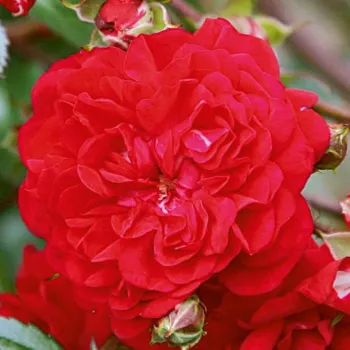
Small double pompon blooms, 1–4 cm across, carried in clusters; 26–39 petals give a rounded, full effect; repeating seasonally with an early flush and generous later flowering. |
| Colour data and phenology |
Crimson-raspberry base colour; ARS dr, RHS 53A outer, 53B inner; buds deep crimson; outer petals fade to cherry-pink while core retains raspberry tone toward the end of flowering. |
| Fragrance and aroma |
Discreet, softly rosy scent; fragrance strength very faint, best appreciated at close range in still, mild weather; chosen primarily for colour effect and garden structure rather than perfume. |
| Hip characteristics |
Occasional small spherical red hips produced, about 6–9 mm in diameter; ornamental rather than culinary, adding modest late-season interest when flowers are less abundant. |
| Resistance and winter hardiness |
Good disease resistance reported to black spot, powdery mildew and rust; hardy to around −29 to −26 °C (USDA 5a, RHS H7, Swedish zone 4), suiting most Irish garden locations. |
| Horticultural recommendations |
Space 140–150 cm in rows or 240 cm as a specimen; allow strong support; prefers fertile, drained soil with mulching; own-root form aids recovery after pruning or weather damage. |
MOMO – crimson-red climbing rose – Noack offers disease-resistant colour, repeat flowering and long-lived own-root reliability for arches, walls or large containers, making it a thoughtful choice for relaxed Irish gardens.