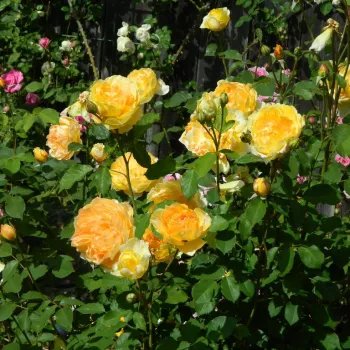
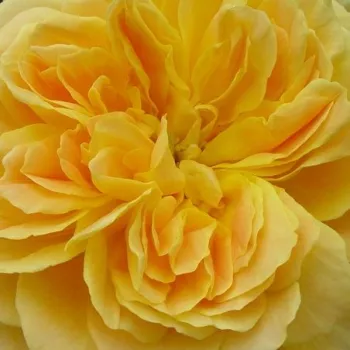
Molineux – AUSmol yellow English shrub rose on own roots
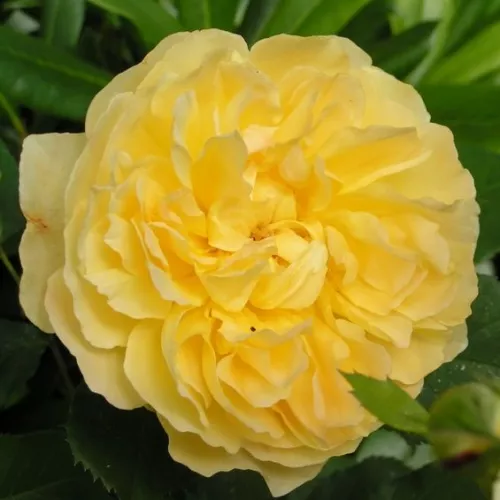
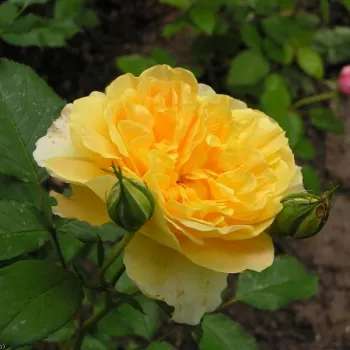
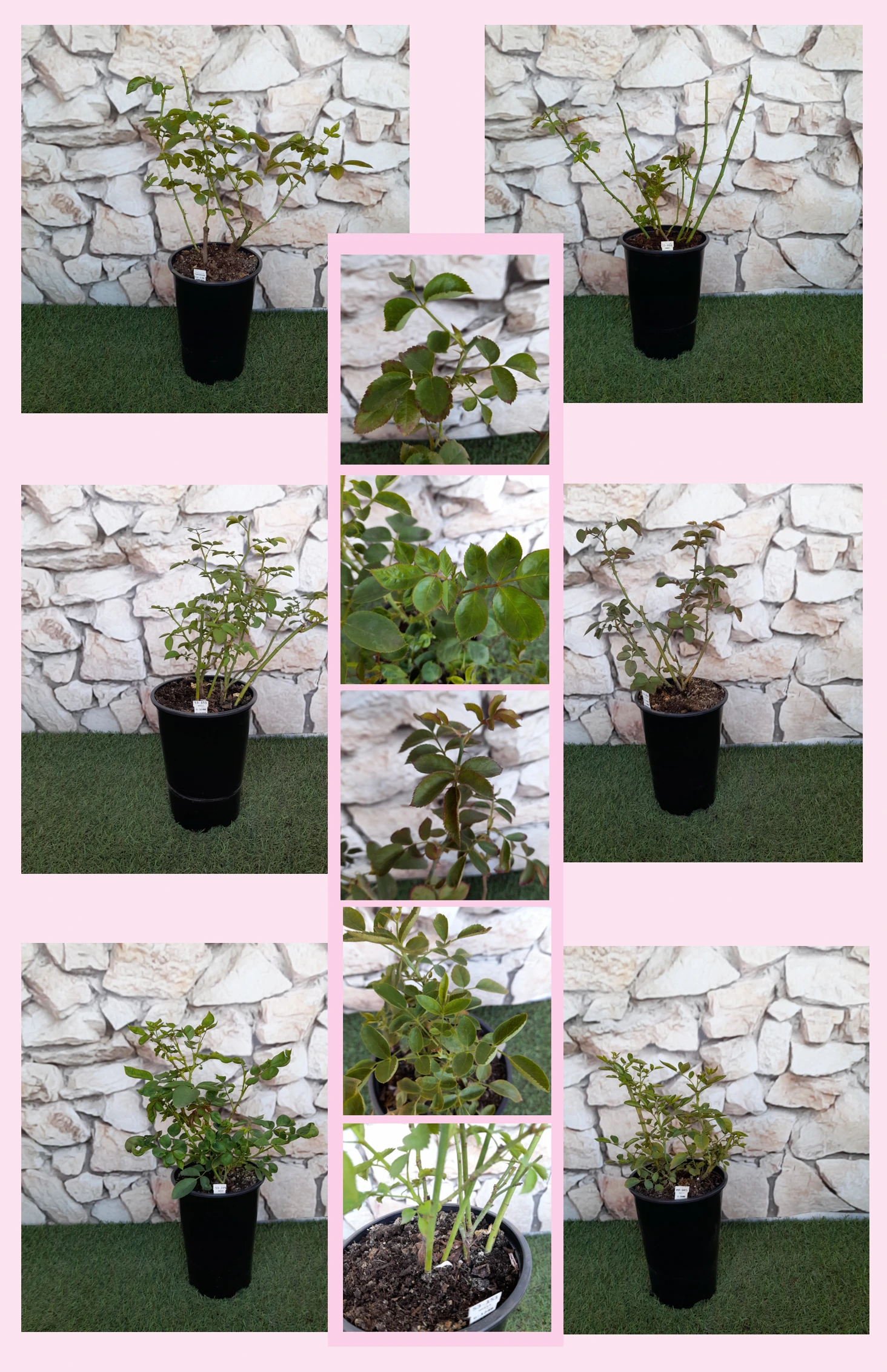
Imagine stepping outside after a light shower, the garden washed in green, soft light, and your Molineux rose quietly bursting into colour. This compact English shrub settles in happily even where rainfall is frequent, as long as its roots enjoy decent drainage and a cosy mulch. Clusters of ruffled, rosette blooms in rich yellow shades keep coming in generous flushes, lending an air of cheerful cottage-garden charm to even the smallest Dublin front plot. Its mild tea-and-musk fragrance rewards you most on calm, damp evenings when you pause on the path. Being grown on its own roots, it promises a reassuringly long lifespan, recovering well from pruning or weather setbacks and holding its shape without fuss. Think of it as a slowly unfolding friend: roots in the first year, stronger shoots in the second, and full, glowing beauty by the third – a quietly reliable companion for busy gardeners who still want romance at the garden gate.
Usage options
| Target area |
Reasoning |
| Front cottage border near the path |
Molineux’s compact, upright habit and 80–130 cm height make it ideal along a front path where it will not overpower the space, but still offers generous, rosette clusters of yellow bloom through the season; the reliable rebloom keeps the entrance cheerful with very little shaping work for the beginner. |
| Low flowering hedge along a boundary |
Planted at about 55 cm, Molineux knits into a low, softly formal hedge, its dense dark-green foliage forming a tidy screen that responds well to light pruning; own-root plants build strength year on year, giving a long-lived, stable hedge line that suits the patient homeowner. |
| Feature rose in a small lawn or gravel square |
Used at 1 m spacing as a specimen, the rounded shrub and rich yellow flower tones are easy to appreciate from all sides; the lightly thorny stems are manageable for routine deadheading, and the plant’s strong framework matures steadily, rewarding the occasional-tidier gardener. |
| Container on a sunny terrace or doorstep |
Molineux performs well in a large container of at least 40–50 litres, where its moderate size and medium maintenance needs pair well with regular watering; in pots it benefits from good drainage and fresh compost, suiting a city-dweller who wants impactful colour with limited ground space urbanite. |
| Mixed border with shrubs and perennials |
The medium height and bushy habit combine easily with cottage perennials and small shrubs without demanding complex care; repeating flushes of bloom weave yellow highlights through the planting for months, providing dependable structure and continuity for a relaxed, nature-leaning planter. |
| Partially shaded town garden corner |
This rose tolerates partial shade, so it can brighten a spot that receives only morning or late-afternoon sun; in cooler, filtered light its yellow tones stay richer, while the plant maintains flower production, suiting households where sunlight is shared between walls and neighbouring gardens. |
| Sheltered, wind-exposed coastal-adjacent garden |
With good heat tolerance and robust shrub structure, Molineux copes well where breezes and changeable weather are the norm, provided the soil drains freely after frequent Atlantic-style rain; own-root vigour supports long-term resilience for families gardening in testing conditions. |
| Classic English-rose themed bed |
The softly cupped rosette flowers, mild tea-and-musk scent and dark, slightly glossy leaves create a traditional English-rose atmosphere; its award-backed garden performance and manageable disease resistance mean less worry over the years for those curating a romantic, storybook border. |
Styling ideas
- Cottage-Door Welcome – Plant two Molineux roses either side of a front door with lavender and catmint at their feet for a soft, scented approach – perfect for homeowners wanting a romantic Irish cottage feel.
- Golden-Drift Hedge – Run a loose line of Molineux along a low fence, underplant with hardy geraniums to knit the bases together and keep weeding simple – ideal for families seeking an easy-care boundary.
- Terrace-Sun Bowl – Grow one plant in a 50-litre terracotta pot, with trailing thyme and variegated ivy spilling over the rim – suited to busy urban gardeners after instant character on a small patio.
- Soft-Shade Glow – Use Molineux in a dappled-light corner with ferns and white foxgloves so its yellow flowers glow gently against rich green foliage – appealing to nature lovers favouring calm, woodland edges.
- English-Romantic Mix – Combine Molineux with deep-purple salvias, pale pink roses and airy grasses for a layered, long-season border – a good choice for hobby gardeners curating a classic yet manageable display.
Technical cultivar profile
| Characteristic |
Data |
| Name and registration |
Trade name Molineux (Ausmol), English Rose shrub type from the Rós rómánsúil group; registered cultivar name AUSmol, ARS approved exhibition name Molineux. |
| Origin and breeding |
Bred by David C. H. Austin in the United Kingdom from ‘Graham Thomas’ × an unnamed seedling; introduced and registered in 1994 by David Austin Roses Ltd. |
| Awards and recognition |
Holds multiple international trial awards and the RHS Award of Garden Merit, reflecting dependable garden performance and ornamental value over many seasons. |
| Growth and structural characteristics |
Upright, bushy shrub typically 80–130 cm high and 70–120 cm wide, with dense, slightly glossy dark green foliage and lightly thorny shoots suited to borders and low hedging. |
| Flower morphology |
Very full, cluster-flowered rosette blooms around 4–7 cm across, with over 40 petals; remontant with an especially abundant second flush, producing repeated displays in suitable conditions. |
| Colour data and phenology |
Golden-yellow flowers lightening to lemon and butter tones; ARS yellow, RHS 12A outer and 8C inner; colour holds richer in cooler weather, softening slightly under strong sun as blooms age. |
| Fragrance and aroma |
Refined, mild tea and musk fragrance, noticeable at close range without being overpowering; best appreciated in still, humid air, lending a gentle scented backdrop to sitting areas. |
| Hip characteristics |
Hip set is usually low due to very double blooms; where formed, small spherical orange-red hips 6–10 mm wide can appear late season but are not a key ornamental feature. |
| Resistance and winter hardiness |
Hardy to around −26 to −23 °C (USDA 5b, RHS H7); medium resistance to black spot, mildew and rust, needing occasional preventative care; requires shelter from late spring frosts. |
| Horticultural recommendations |
Suited to borders, containers, low hedges and specimen use; space 55–100 cm depending on role, in fertile, well-drained soil; water during drought and prune lightly to maintain shape and flowering. |
Molineux offers compact romantic structure, repeat yellow flowering and dependable long-term performance on its own roots, making it a thoughtful choice when you want lasting charm with modest care.