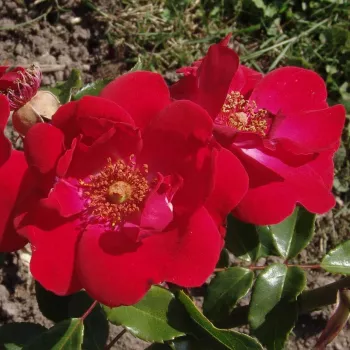
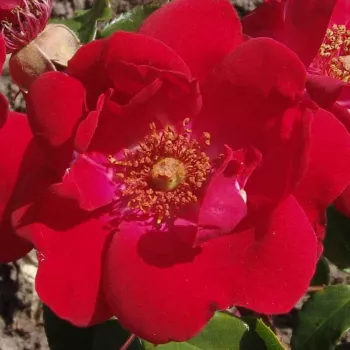
MILLARD DE MARTIGNY – fiery-red climbing rose – Ducher & Massad
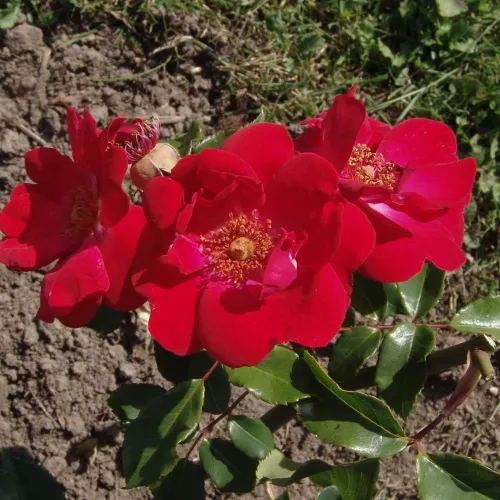
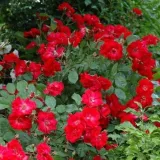
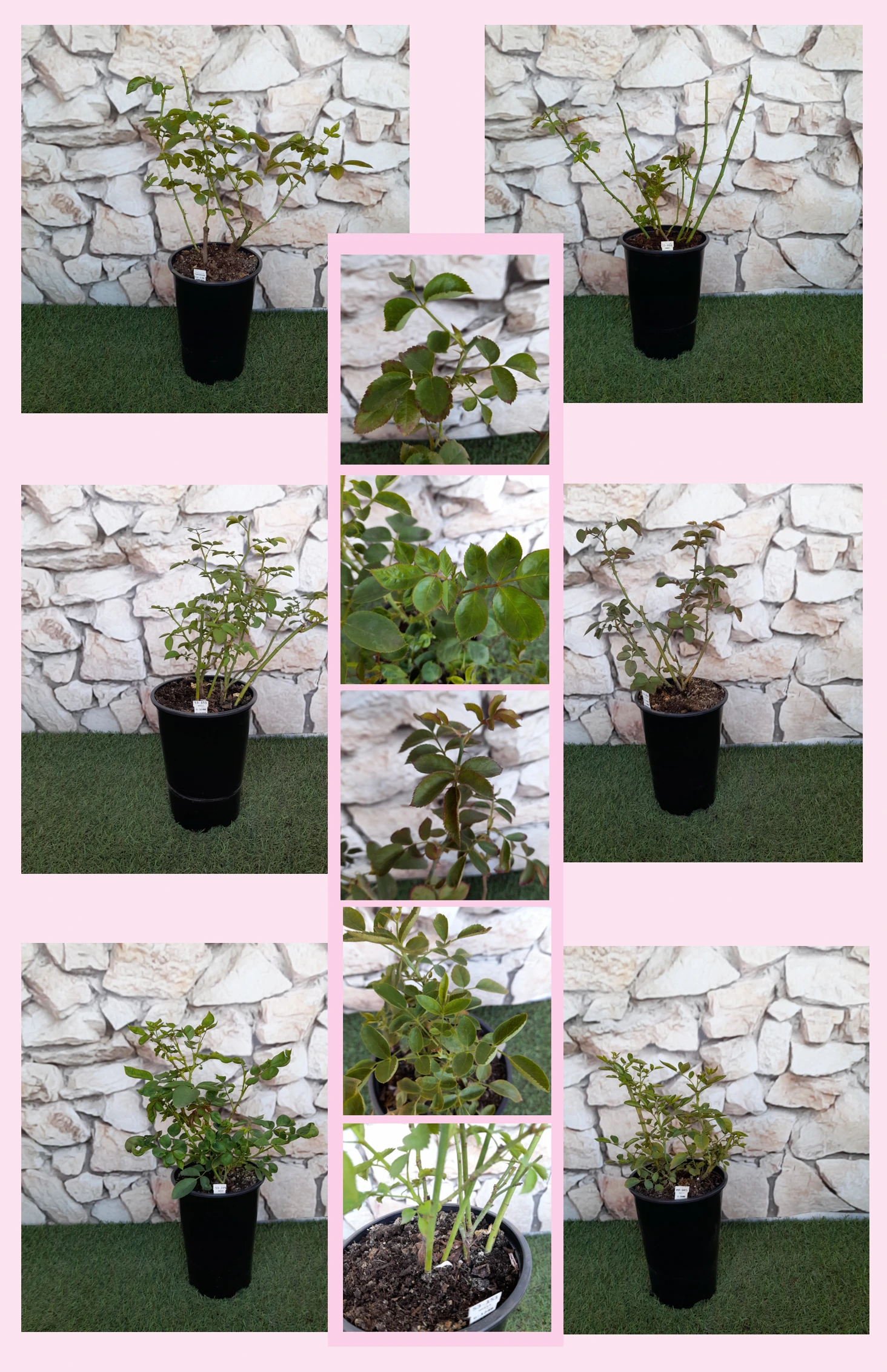
If You dream of a romantic climber that copes calmly with Irish showers, damp air and brightening spells, Millard de Martigny offers an easy, dependable route to cottage-garden charm. Its semi-double, cluster-flowered, fiery-red blooms appear in generous flushes, with a strong repeat that brings colour back even after a cool spell. Own-root plants settle in steadily for long, stable performance, quietly building roots in year one, structure in year two and full ornamental presence by year three. Medium maintenance, moderate disease resistance and good heat tolerance make it reassuringly manageable in typical Irish family gardens. Trained along a wall, rail or arch, its dense, mid-green foliage and glowing flowers create a soft, cheerful backdrop for front paths and play spaces, while their open centres give a modest welcome to visiting pollinators.
Usage options
| Target area |
Reasoning |
| Dublin terraced front-garden façade |
This compact climber reaches around 130–220 cm, ideal for training against a modest front wall or railings without overwhelming the space. Its vivid fiery-red clusters deliver instant kerb appeal on narrow streets with little planting room, suiting city-based beginners who want reliable colour and simple upkeep for a small entrance. |
| Irish cottage doorway or porch arch |
The upright habit and flexible shoots make it easy to guide over an arch or rustic porch, creating a welcoming frame of red blooms and mid-green foliage. Remontant flowering brings a bountiful second flush, extending the season even where summers are short, perfect for homeowners seeking a romantic, storybook look with limited gardening time. |
| Family seating area backdrop |
Dense, slightly glossy foliage forms a leafy screen 80–150 cm wide, useful behind benches or along a low pergola. Semi-double flowers with visible stamens add a soft, natural look and partial appeal for insects, making this a good choice for families who want a calm, green corner with gentle wildlife interest rather than high-maintenance perfection. |
| Sunny boundary fence in rainy, breezy sites |
Good heat tolerance and moderate disease resistance support growth in exposed Atlantic gardens where frequent rain and wind meet occasional strong sun. Once established, it copes well, provided drainage is decent and feeding is regular, suiting hobby gardeners in wetter coastal areas who need a tough rose that still looks refined and ornamental. |
| Feature pillar or obelisk in lawn |
Recommended spacings of 130–220 cm allow it to work beautifully as a free-standing specimen on a pillar, where its cluster-flowered display can be admired from all sides. Over successive years it develops a durable, own-root framework, ideal for those wanting a long-lived, slowly improving focal point without constant replacement or complex pruning. |
| Mixed cottage-style border |
Medium maintenance needs and self-cleaning clusters mean fewer deadheading sessions in mixed borders with perennials. It partners well with airy companions like verbena, crocosmia or bluebeard, while its colour holds even in heat; during dry spells it only needs occasional watering, which suits busy, sustainability-minded gardeners seeking future-proof, water-wise planting. |
| Rose hedge or loose screen |
With spacing around 130–140 cm, it forms a loose, flowering screen that softens boundaries and separates play areas from utility zones. Remontant habit and durable fiery-red colour ensure repeated impact without fading to dull pink, fitting families who want privacy and beauty together, while accepting only moderate plant protection when really needed. |
| Large container on sunny patio (40–50 L+) |
In a generously sized container with good drainage, this climber can dress a balcony rail or patio pergola, where its moderate height is easy to manage. Open, semi-double flowers offer partial pollinator interest while the own-root habit supports long-term regrowth, well suited to urban dwellers wanting a lasting patio feature in changeable Irish weather. |
Styling ideas
- Cottage-arch – Train over a narrow metal or timber arch, underplant with lavender and catmint to soften the base – ideal for lovers of romantic Irish cottage entrances.
- Terrace-screen – Use along a front-garden railing with low grasses and white verbena for airy privacy – suited to city homeowners wanting light, elegant kerb appeal.
- Pillar-focus – Spiral stems up a freestanding obelisk, surrounding it with crocosmia and salvias – for gardeners seeking a bold, long-lived focal point in a lawn or border.
- Family-border – Combine with bluebeard and hardy geraniums for a relaxed, low-fuss, bee-friendly strip beside a play lawn – great for busy families wanting colour with minimal effort.
- Patio-pot – Grow in a 40–50 litre terracotta pot with good drainage, pairing with trailing thyme and violas – perfect for balcony or courtyard residents after a manageable climbing rose.
Technical cultivar profile
| Property |
Data |
| Name and registration |
Millard de Martigny is a large-flowered climbing rose traded as a shrub or exhibition floribunda type; commercial climber, with no separate registered cultivar name recorded. |
| Origin and breeding |
Bred by Fabien Ducher and Dominique Massad at Roseraie Ducher in France; introduced and registered in 2009, with parentage undocumented but selected for its vivid colour and garden value. |
| Growth and structural characteristics |
Climbing, upright habit reaching about 130–220 cm high and 80–150 cm wide, with dense, mid-green, slightly glossy foliage and moderate prickles on the shoots, suitable for supports and small structures. |
| Flower morphology |
Semi-double, flat, medium-sized flowers around 4–7 cm, carried in clusters; petal count approximately 13–25, repeating well with a particularly generous second flush in suitable conditions. |
| Colour data and phenology |
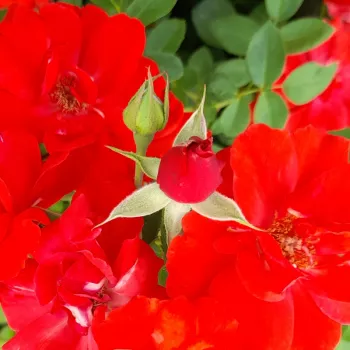
Fiery red blooms, RHS 46A outer and 45A inner; colour stable with very good retention, only lightly lightening in strong sunlight, from scarlet buds through to vivid, uniform discs in full bloom. |
| Fragrance and aroma |
Fragrance is very weak, with a light rosy character that is barely noticeable in the garden, so the variety is grown mainly for visual impact and colour rather than for scent. |
| Hip characteristics |
Produces relatively few hips; when present they are spherical, about 10–15 mm across, and orange-red in colour, adding small, discreet seasonal interest after flowering. |
| Resistance and winter hardiness |
Hardy to approximately −21 to −18 °C (USDA 6b, RHS H7), with moderate resistance to black spot, mildew and rust; tolerates heat well but benefits from watering during extended dry periods. |
| Horticultural recommendations |
Best grown in full sun with well-drained soil; plant 130–220 cm apart depending on use, allow support for climbing, and provide occasional plant protection and deadheading to maintain vigour and display. |
MILLARD DE MARTIGNY offers vivid, repeat fiery-red flowering, a compact, manageable climbing habit and long-lived own-root reliability; a thoughtful choice for adding lasting colour and structure to your garden.