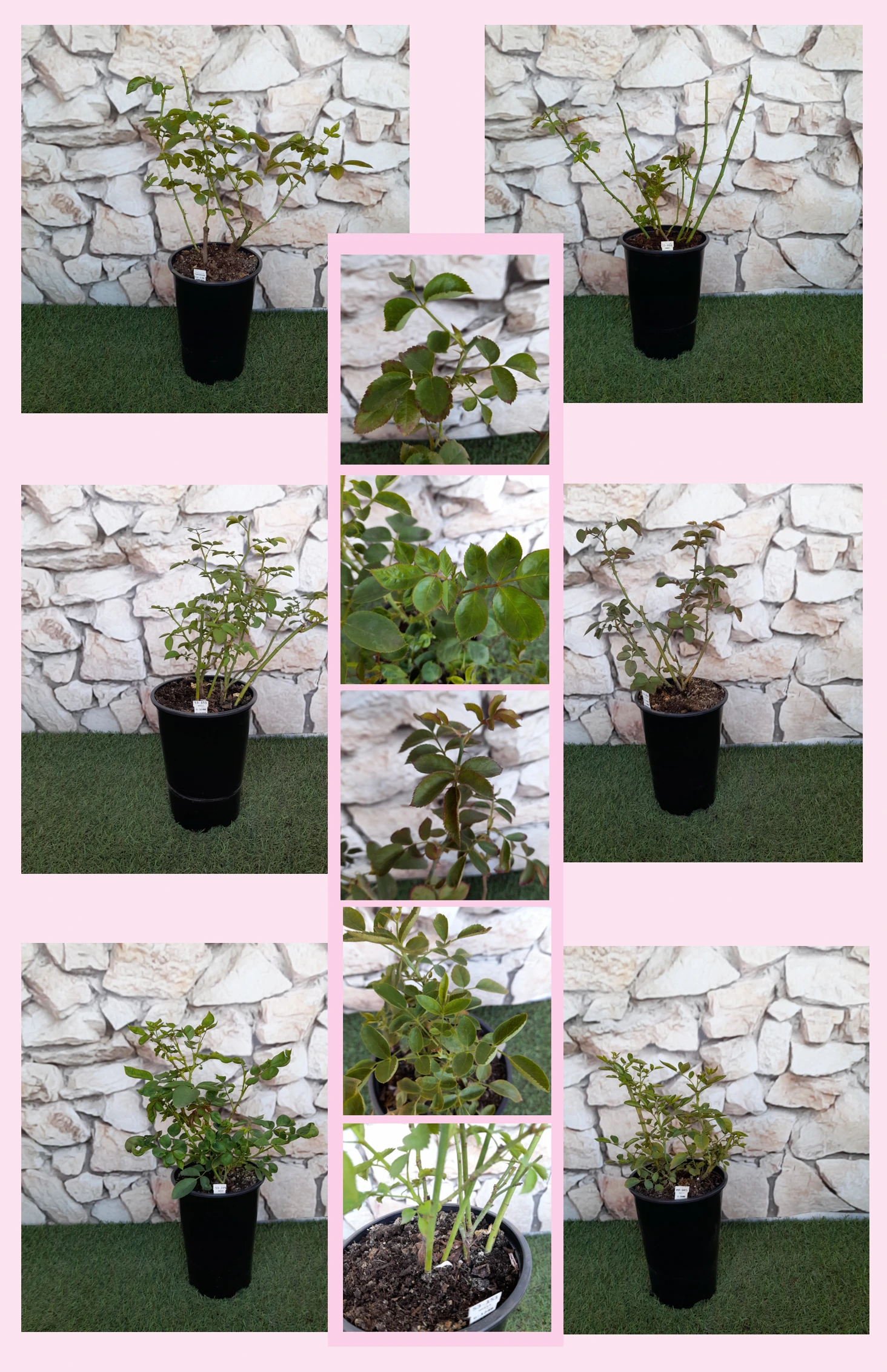
MARIE NATALE – apricot-pink tea hybrid rose
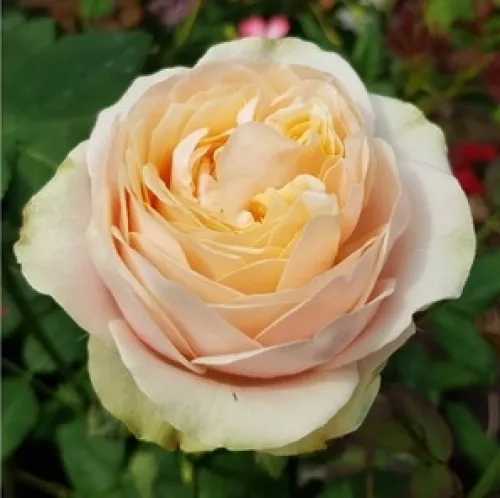
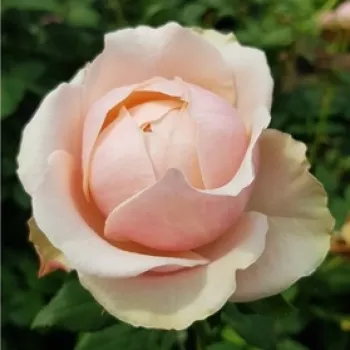
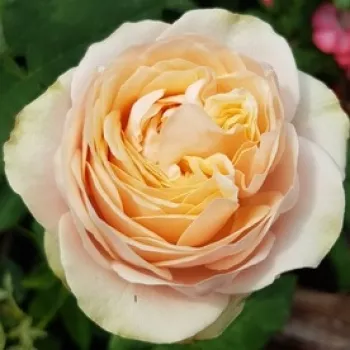
Imagine stepping outside for a short walk after rain, light glinting on leaves and the air scented with fruity rose blooms: MARIE NATALE brings that softly cheerful mood right to your front path or cottage border. This hybrid tea’s very double flowers open in waves from early summer, first glowing peach‑orange in the heart, then relaxing into creamy apricot-pink with a silvery, almost greenish edge – a romantic, “girly” look that flatters small Irish gardens. Upright yet compact, it fits neatly into front-garden beds or narrow terraces, coping reliably with our damp summers and the rainfall that often shortens lesser roses. On its own roots it settles in for the long term, building strong lifespan and steady flowering rather than demanding constant fuss, and over time it matures from Year 1 roots through Year 2 shoots to full garden presence in Year 3. Give it a sunny spot with reasonable drainage, a little seasonal care for fungal pressure, and you are rewarded with armfuls of scented cut stems and a quietly luxurious focal point beside your door.
Usage options
| Target area |
Reasoning |
| Front-garden statement rose by the door |
The upright, compact habit (around 75–110 cm) makes MARIE NATALE ideal for a single, eye-catching plant in a modest front bed or narrow Dublin terrace. Its peach-pink globular blooms read clearly from the street and offer strong fragrance to welcome visitors and suit fragrance-loving buyers. |
| Cutting patch in a family garden |
As a hybrid tea with extra-large, solitary flowers, this rose is superb for home-cut bouquets. The long, straight stems and very double, globular blooms hold their form well in a vase, giving you florist-style stems without needing professional skills, ideal for hobby gardeners who enjoy arranging flowers indoors. |
| Romantic cottage-style mixed border |
The soft apricot-pink colouring and repeated flowering weave beautifully among perennials such as lupins and obedient plants, lending a “girly” cottage feel. Its dense, mid-green foliage provides a calm backdrop for lighter flowers, suiting nature-oriented homeowners seeking gentle colour in a traditional Irish border. |
| Neat low rose row along a path or drive |
With a spread of 50–70 cm and recommended spacing from 35–40 cm, several plants form a tidy, fragrant row. Medium disease resistance means only occasional spraying is needed, so everyday upkeep stays manageable for busy urban garden owners wanting order and elegance, not a second full-time job. |
| Feature rose in a large container |
Planted in a 40–50 litre or larger pot, MARIE NATALE becomes a flexible accent for patios or balconies. The own-root form builds a stable framework over time, so if the top is ever damaged it can regenerate from below, reassuring cautious beginners who fear losing a treasured plant. |
| Small family lawn island bed |
Its medium height and upright growth allow easy mowing and child play around the planting. Limited rosehip formation keeps the look clean, while strong scent and generous ref flowering add interest for months, welcoming families who want beauty that fits everyday life with children and pets. |
| Sheltered spot in wetter, wind-exposed areas |
Medium resistance to black spot, mildew and rust pairs well with a position that avoids the worst winds, helping the foliage stay attractive even through showery spells after Atlantic fronts bring persistent rain across Ireland, particularly valued by coastal or west-facing homeowners worried about weather resilience. |
| Long-term focal rose in a settled garden plan |
As an own-root plant, MARIE NATALE is not dependent on a graft, so it keeps its character and can live for many years with steady ornamental value. Occasional pruning and feeding support remontant flowering, appealing to those planning a lasting, low-fuss feature in a cherished family garden. |
Styling ideas
- Cottage-curve – Plant three MARIE NATALE in a loose arc with pink lupins and obedient plants for a soft, storybook border – perfect for romantic cottage-garden lovers.
- Terrace-ribbon – Line a short, straight path with evenly spaced bushes, underplanted with low evergreen honeysuckle for year-round structure – ideal for smart city front gardens.
- Patio-centrepiece – Grow one plant in a 50 litre terracotta pot with pale gravel mulch to highlight its peach-pink blooms – suited to balcony or courtyard rose enthusiasts.
- Lawn-island – Create a small central bed with MARIE NATALE ringed by lavender for scent and contrast – great for families wanting an easy, mow-around focal point.
- Romantic-duo – Pair two bushes flanking a bench or doorway, edged with soft perennials in cream and blush – appealing to fragrance seekers who enjoy evening garden moments.
Technical cultivar profile
| Parameter |
Data |
| Name and registration |
Hybrid tea rose, florists rose type; trade name MARIE NATALE – apricot-pink tea hybrid rose – Nakazawa; collection Hybrid tea rose; commercial group Rós taehibride; exhibition category cut flowers. |
| Origin and breeding |
Hybrid tea bred in Japan by Tadashi Nakazawa; parentage unknown; breeding year 2006; other registration and introduction data not available; developed primarily as a florists-type garden rose. |
| Growth and structural characteristics |
Upright shrub reaching 75–110 cm with 50–70 cm spread; moderately thorny stems; dense, slightly glossy mid-green foliage; suited for specimen planting, rows, and large containers in small gardens. |
| Flower morphology |
Very double, globular to pompon-like blooms with 40+ petals; extra-large flowers over 10 cm, usually borne singly on stems; remontant with generous second flush, good for cutting and display. |
| Colour data and phenology |
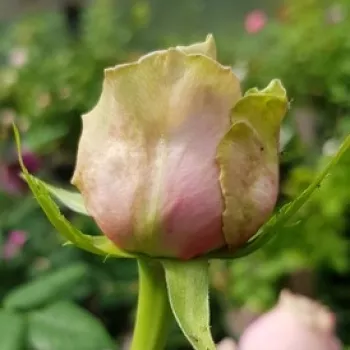
Apricot-pink blend; RHS 57C outer, 33C inner; buds deep pink with peach sheen, opening to peach-orange centres and cream-pink outer petals; colour lightens with a silvery, slightly greenish tinge before fading. |
| Fragrance and aroma |
Strongly scented hybrid tea rose with full-bodied, fruity fragrance character; perfume is clearly noticeable outdoors and in the vase, enhancing use near seating areas, paths and for home-cut floral arrangements. |
| Hip characteristics |
Very double flowers limit pollination and hip set; rosehip formation is usually sparse, though occasional small hips can appear; plants are grown primarily for their ornamental flowers, not for fruit display. |
| Resistance and winter hardiness |
Medium resistance to powdery mildew, black spot and rust; may need occasional treatments in humid seasons; cold hardy to around −21 to −18 °C (H7, USDA 6b), suitable for most Irish garden conditions. |
| Horticultural recommendations |
Maintenance requirement medium; prefers sunny site with good drainage and mulched soil; spacing 35–65 cm depending on use, 5.7–6.5 plants/m² for mass planting; responds well to regular pruning and balanced feeding. |
MARIE NATALE offers richly scented, extra-large apricot-pink blooms on an easy-to-manage shrub that thrives long term on its own roots, a graceful choice if you would like one dependable, romantic rose in your garden.