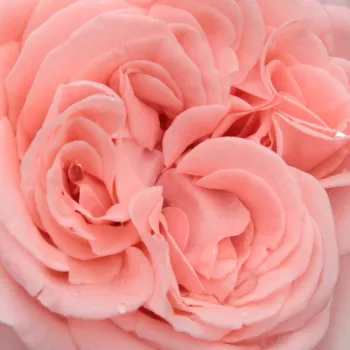
MARCSIKA – pale pink hybrid tea rose – Márk
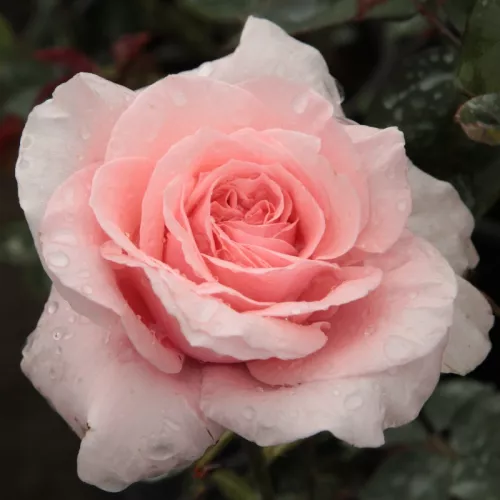
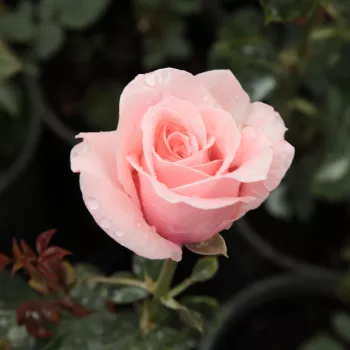
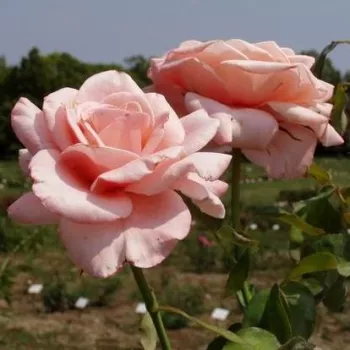
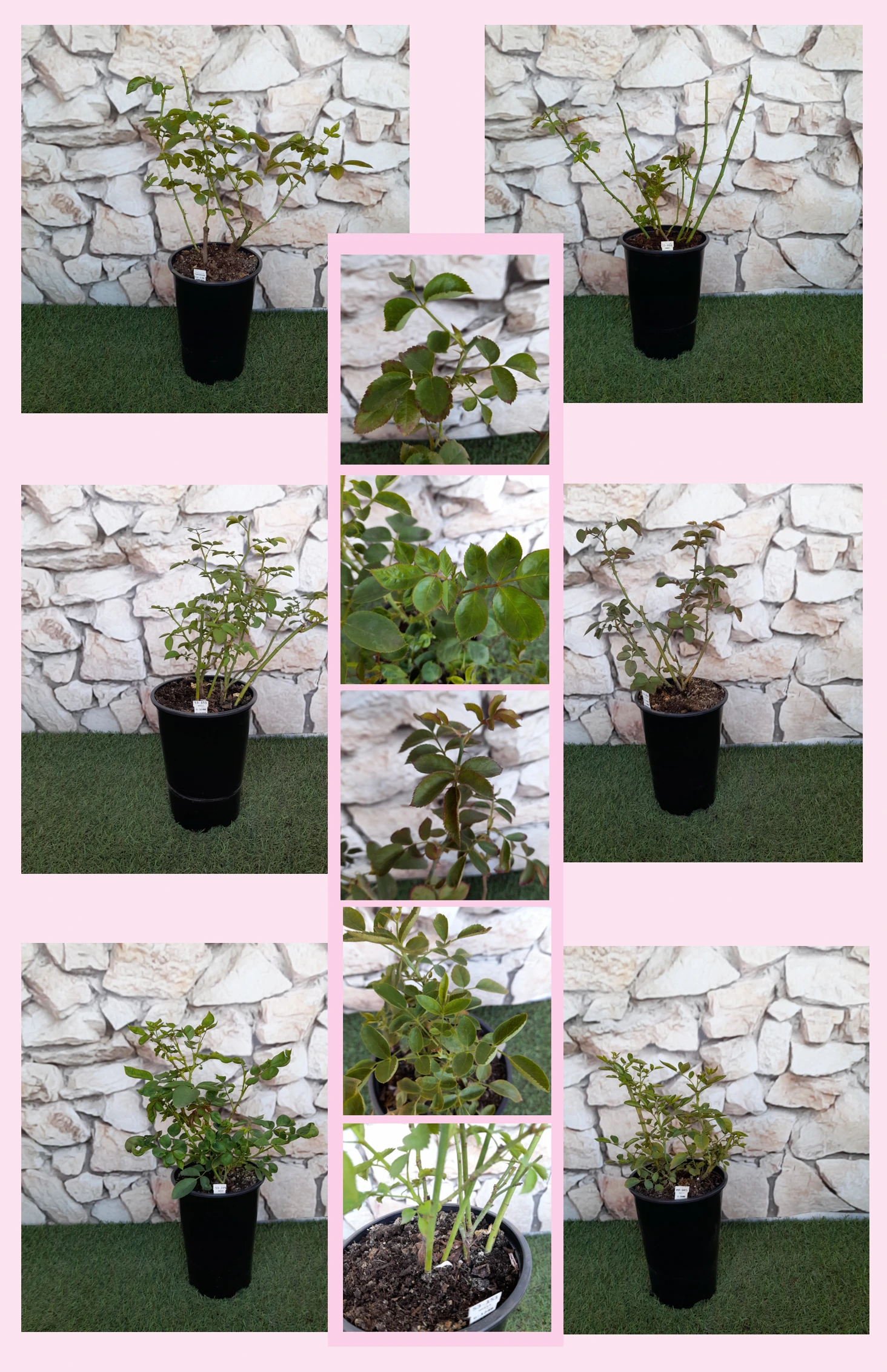
Step outside for a few quiet minutes with MARCSIKA and you will find the same feeling as a gentle walk in soft rain: a calm, green light, the air filled with medium‑strong, rosy fragrance, and elegant, pastel flowers that slowly fade from cool pink to creamy near‑white. This upright, hybrid tea rose makes it simple to bring a romantic, “girly” charm to a Dublin terrace or Irish cottage path, while its own‑root form promises a steady, long‑term presence that copes well with humid, changeable weather and the extra fungal pressure of Atlantic gardens. Tall, XL blooms on sturdy stems are ideal for cutting into the house, yet in the border they remain beautifully orderly, with dense mid‑green foliage for structure. Once planted with good drainage and a light mulch, you can expect it to root in the first year, build strong flowering shoots in the second, and by the third year reach full ornamental impact with reliable, remontant flowering.
Usage options
| Target area |
Reasoning |
| Front garden statement rose |
Its tall, upright habit and XL, pastel pink blooms create a classic, tidy focal point that looks “dressed” with very little effort, giving strong kerb appeal even in a small Dublin front garden – ideal for the time‑pressed homeowner. |
| Romantic Irish cottage border |
The gentle colour fade from candy‑pink to creamy near‑white blends beautifully with perennials and soft grasses, while own‑root vigour supports a long‑lived clump that matures gracefully over the years – perfect for the nostalgic cottage‑style gardener. |
| Cut‑flower corner or bed |
Long, straight stems and solitary, cupped blooms with a distinct rosy scent make it excellent for cutting and arranging, so a small bed can supply vases for the house all summer – a rewarding choice for the creative flower‑loving buyer. |
| Sunny mixed border in family gardens |
Reblooming through the short Irish summer, it slots easily into a mixed bed with perennials like Gaillardia and bee balm, delivering repeating colour and scent without complex pruning – reassuring for the busy family‑garden owner. |
| Heat‑exposed or drier corners |
Very good heat and drought tolerance means it copes well with reflective walls or sun‑baked spots, needing only occasional deep watering once established, yet still flowering reliably – helpful for the low‑maintenance‑minded gardener. |
| Wildlife‑aware planting schemes |
Though a double hybrid tea, it still supports local wildlife by offering seasonal cover and occasional hips, and pairs well with pollinator‑friendly companions that boost garden life – appealing to the nature‑oriented rose enthusiast. |
| Long‑term structural planting |
Hardy to severe frost and grown on its own roots, it can regenerate from the base after setbacks, gradually building a stable framework and dependable show of blooms over many seasons – reassuring for the long‑view‑taking planner. |
| Neat rose bed with manageable care |
Medium maintenance with recommended deadheading fits easily into a monthly routine; one careful planting with drainage and mulch lets it handle humid Irish conditions with less fuss – a practical option for newer or hesitant beginners. |
Styling ideas
- Cottage‑soft – Drift MARCSIKA along a path with soft blue Nepeta and airy grasses to echo its pale pink fade – for romantic cottage‑garden admirers.
- Kerb‑smart – Plant three in a row beside a low evergreen hedge for an easy, formal frontage that still feels gentle – for city terrace front‑garden owners.
- Cutting‑corner – Create a small square bed of MARCSIKA with Gaillardia at the edges to supply vases all season – for home florists and bouquet fans.
- Heat‑wise – Use against a sunny, south‑facing wall with drought‑tolerant companions like Persicaria to exploit its heat resilience – for gardeners with hot, dry spots.
- Family‑friendly – Mix into a border with Monarda and low shrubs to give structure, scent, and colour without crowding play space – for busy family‑garden households.
Technical cultivar profile
| Property |
Data |
| Name and registration |
MARCSIKA is a hybrid tea rose from the Rós taehibride group, traded as Marcsika Hybrid tea rose Márk; registered cultivar name is not specified in available records. |
| Origin and breeding |
Bred by Márk Gergely in Hungary in 1997 at the Kertészeti Kutató Intézet, later introduced through PharmaRosa Ltd.; exact year of market introduction and registration are not documented. |
| Growth and structural characteristics |
Upright bush reaching about 100–140 cm in height with a 50–70 cm spread; dense, mid‑green, slightly glossy foliage and moderate prickliness give a balanced, ornamental structure in beds. |
| Flower morphology |
Large, double, cupped blooms with 26–39 petals and a pronounced central elevation; flowers are mostly solitary on stems, XL in size over 10 cm, repeating though second flush is lighter. |
| Colour data and phenology |
Pale pink hybrid tea; outer petals RHS 62D, inner 62C. Buds open cool pink, then fade to near white with creamy highlights, giving a soft, pastel look; colour retention is modest in strong sun. |
| Fragrance and aroma |
Medium‑strength, distinctly rosy perfume with a pleasant classic character; noticeable at close range around the plant and on cut stems indoors, adding sensory value without being overpowering. |
| Hip characteristics |
Double blooms set hips only occasionally; when present they are small, ovoid, about 12–18 mm, orange‑red in colour and add a discreet seasonal accent in late garden displays. |
| Resistance and winter hardiness |
Hardy to approximately −32 to −29 °C (USDA 4b, RHS H7, Swedish zone 5). Disease resistance is medium for black spot, mildew and rust, benefitting from basic preventive care in damp seasons. |
| Horticultural recommendations |
Best in a sunny position with well‑drained, improved soil; recommended spacings range from 50–90 cm depending on use, at roughly 2.8–3.2 plants/m² for mass plantings or hedging layouts. |
MARCSIKA offers elegant pale pink XL blooms, a distinct rosy scent and reliable long‑term structure on its own roots in typical Irish gardens, making it a thoughtful choice if you would like enduring colour with manageable care.