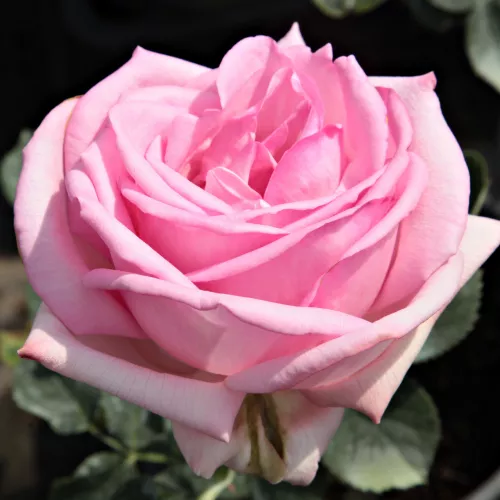
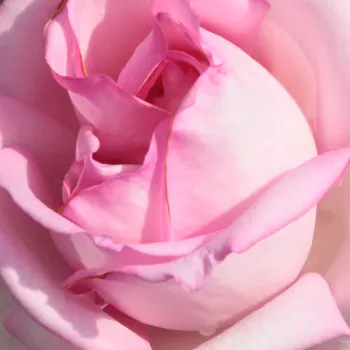
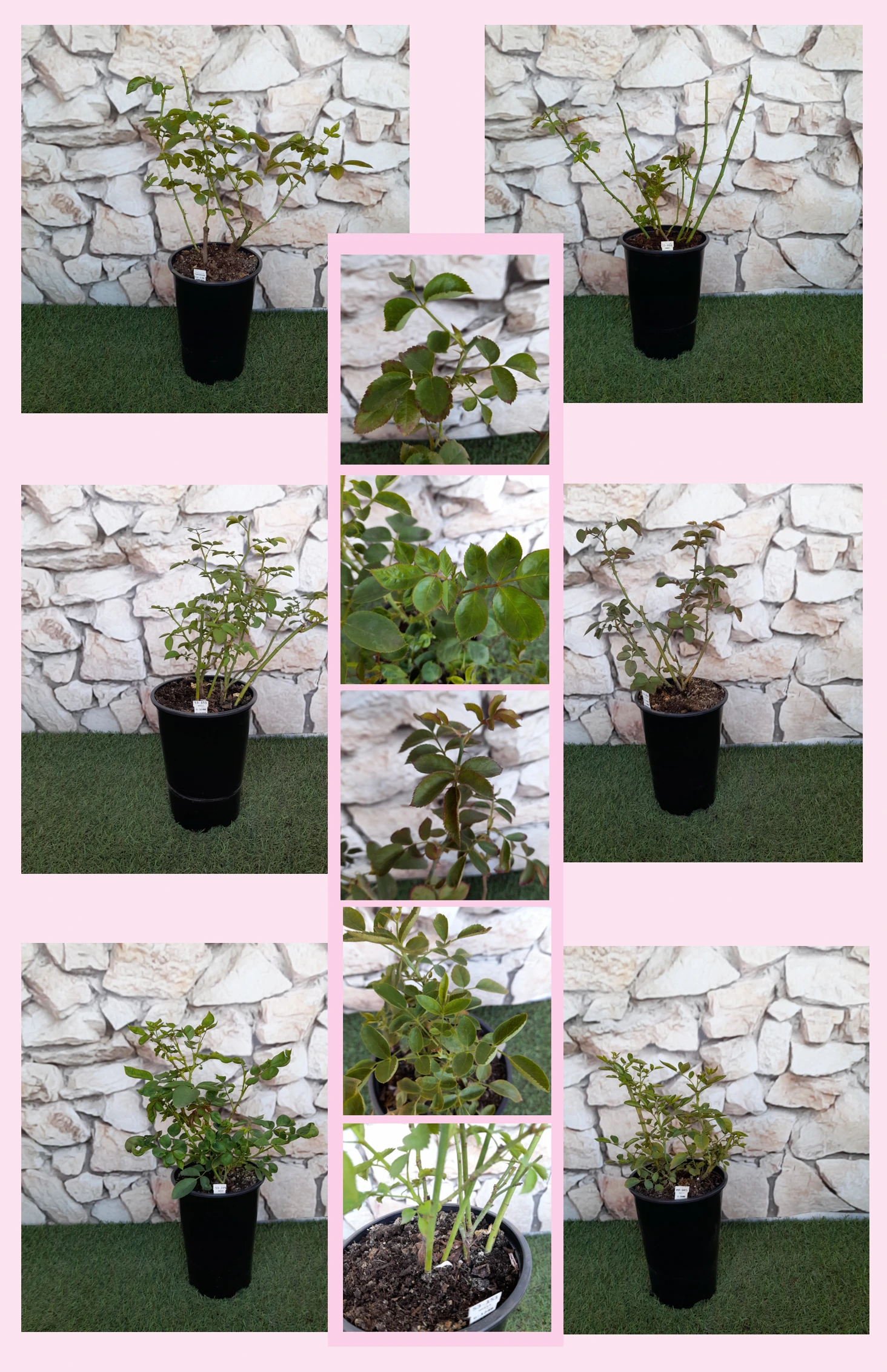
Madame Maurice de Luze – pink hybrid tea rose
If you would love a nostalgic, pink hybrid tea that copes gracefully with rainfall and delivers classic cutting stems without fuss, MADAME MAURICE DE LUZE is a charming choice for Irish cottage borders and tidy Dublin front gardens. This upright, moderate‑sized shrub offers generously repeat flowering, filling your path with a powerful, sweet‑fruity fragrance from early summer to autumn. Its cool, porcelain‑pink blooms develop on an own‑root plant that settles in steadily, promising a long, reliable garden life with simple seasonal care. In the first year it quietly builds roots, in the second it pushes stronger shoots, and by the third it reveals its full ornamental value as a favourite specimen in your everyday garden wanderings, even where soil and drainage can be challenging.
Usage options
| Target area |
Reasoning |
| Cottage-style mixed flowerbed |
Ideal where you want a romantic, old-fashioned hybrid tea look with modern reliability. The soft, cool pink blooms and mid-green foliage weave easily among perennials, while own-root vigour supports a long-lived, low-fuss structure for hobby gardeners. |
| Front garden focal point |
Its upright habit and medium height allow you to anchor a small front garden without overwhelming the space. Regular repeat flowering and a tidy outline give neat kerb appeal, even with minimal pruning, suiting busy urban homeowners. |
| Cutting patch or cutting row |
Solitary, medium-sized blooms on straight stems make it well suited for vases. Strong, sweet-fruity perfume and the elegant, cup-shaped form give that “proper rose” feeling indoors, rewarding light feeding and deadheading for fragrance lovers. |
| Own-root long-term specimen |
As an own-root shrub, it regenerates well from the base and is not dependent on a graft, supporting long lifespan and stable shape. That makes it a solid, low-risk choice where you want a single, dependable rose for cautious beginners. |
| Clay soil family garden bed |
Works well in typical Irish heavy soils when given decent drainage and a mulch layer; once settled, it flowers steadily with moderate maintenance. This suits real-life gardens where perfect soil is rare for practical garden owners. |
| Sunny terrace in a large container |
Performs happily in a sizeable pot when planted in quality compost with drainage holes; choose at least 40–50 litres so roots have room to develop and watering stays manageable, giving reliable summer colour for apartment and patio users. |
| Repeated-blooming rose border |
Its strongly remontant habit brings flush after flush through short Irish summers, even when the weather shifts from soft days to showers and brisk breezes, supporting long seasonal interest for colour-focused gardeners. |
| Scented seating or path edge |
The powerful, noticeable-from-afar perfume makes it perfect near benches, paths, and front doors. A single shrub can perfume your evening walk, even in small spaces, greatly enhancing everyday outdoor time for sense-oriented homeowners. |
Styling ideas
- Cottage-Romantic Border – Mix with foxgloves, lady’s mantle and low heucheras for a layered, soft-pink-and-lime tapestry – ideal for homeowners wanting an easy, storybook cottage look.
- Neat Front-Garden Frame – Plant as a pair by a gate or path, underplanted with dwarf lavender for structure and perfume – suited to Dublin terraces aiming for tidy kerb appeal.
- Pastel Cutting Corner – Combine with white obedient plant and blush salvias beside a shed or fence to create a simple cutting strip – perfect for beginners who like homegrown bouquets.
- Scented Seating Nook – Position beside a bench with airy grasses and magenta Lychnis for contrast, letting the fragrance drift through the sitting area – good for small, contemplative gardens.
- Large-Pot Feature – Grow in a 50-litre container with trailing thyme and low coral bells around the base, keeping the form upright and elegant – great for patios and rented spaces.
Technical cultivar profile
| Parameter |
Data |
| Name and registration |
Madame Maurice de Luze hybrid tea rose, commercial group Rós taehibride; ARS exhibition name Madame Maurice de Luze, unregistered cultivar, traditionally listed as a classic garden and show variety. |
| Origin and breeding |
Bred by Joseph Pernet-Ducher, Pernet-Ducher nursery, Lyon, France; introduced 1907. Parentage unknown, developed as an early twentieth-century hybrid tea with strong colour and fragrance. |
| Growth and structural characteristics |
Upright bush reaching about 100–140 cm high, spreading 85–115 cm, with moderately dense, glossy mid-green foliage and moderate prickliness, forming a balanced, classic hybrid tea shrub. |
| Flower morphology |
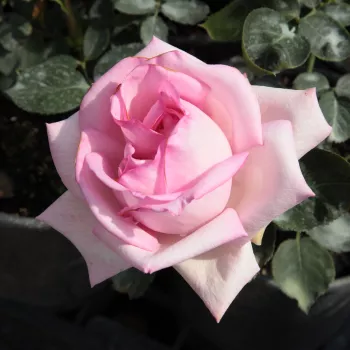
Double, cup-shaped solitary blooms, 4–7 cm across, with 26–39 petals. Strongly remontant with a generous repeat flush; poor self-cleaning, so regular deadheading keeps the plant neat and flowering well. |
| Colour data and phenology |
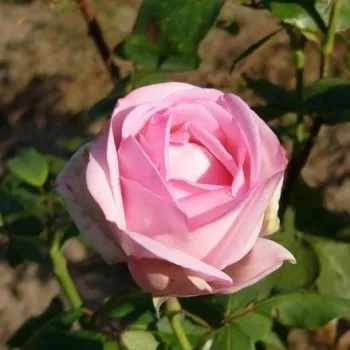
Pink hybrid tea with ARS code PB, RHS 55C outer, 57A inner petals. Deep vivid pink base and carmine centre, softening through baby pink to powdery cream and pearly, almost white petal edges as blooms age. |
| Fragrance and aroma |
Powerful, sweet, fruity scent clearly noticeable from a distance in still air. Best fragrance on well-watered plants in full sun, making it particularly suitable for scented borders and seating areas. |
| Hip characteristics |
Hip set generally low due to double flowers. Where produced, hips are small ovoid to egg-shaped, around 9–13 mm in diameter, colouring orange-red and adding a modest ornamental accent in late season. |
| Resistance and winter hardiness |
Rated H7, hardy to approximately –21 to –18 °C, USDA zone 6b, Swedish zone 3. Medium general disease resistance; notably resistant to black spot, with moderate susceptibility to powdery mildew and rust. |
| Horticultural recommendations |
Best in full sun with fertile, well-drained soil; prefers regular watering and feeding. Space 60–110 cm depending on use, allowing airflow. Responds well to seasonal pruning and deadheading for repeat bloom. |
Madame Maurice de Luze offers strong fragrance, generous repeat flowering and graceful, long-lived own-root growth; consider it if you would like a classic pink hybrid tea that rewards simple, regular care.