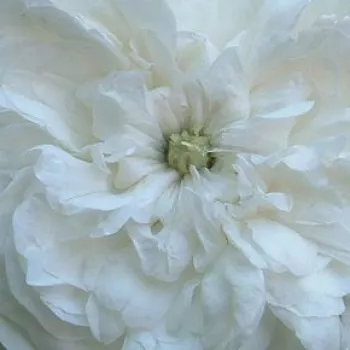
Madame Hardy – white historic centifolia rose
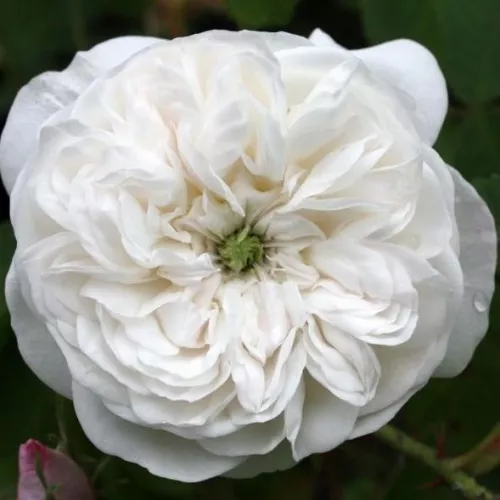
A beloved Damask shrub from 1832, ‘Madame Hardy’ brings historic romance to Irish cottage borders and Dublin front gardens with big, white, rosette blooms and an exceptionally strong fragrance. Once established, it forms a dense, upright bush that copes well with Irish rain and the kind of humidity that often encourages disease elsewhere, yet this rose remains reliably healthy. Its single, glorious summer display is perfectly suited to a relaxed, “girly” planting style: think frothy perennials, soft light and meandering paths for an easy evening stroll. As an own‑root shrub, it offers long lifespan and dependable regrowth, so you can simply plant, mulch, adjust for basic drainage and enjoy its presence over many years.
Usage options
| Target area |
Reasoning |
| Feature shrub near a front door or path |
Plant ‘Madame Hardy’ where you pass daily and its very strong, classic Damask scent will greet you every time it flowers. One impressive summer flush of large, white, rosette blooms makes a memorable seasonal highlight with minimal ongoing work for the busy fragrance-lover homeowner. |
| Low‑maintenance historic rose hedge |
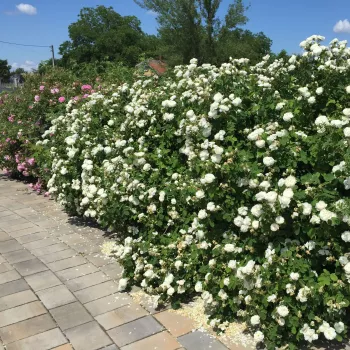
Use at 120 cm spacing to create a loose, old‑fashioned hedge that needs only light pruning and occasional deadheading. Dense foliage and thorny, upright stems give good structure and privacy while disease resistance keeps care simple for the time‑pressed gardener. |
| Romantic cottage‑style mixed border |
Combine its once‑a‑year, showy flowering with perennials that bloom before and after, such as campanulas and hardy geraniums, to keep colour going. The tall, bushy habit anchors an informal, “girly” cottage look without demanding expert skills from the enthusiastic beginner. |
| Part‑shade city garden corner |
This variety tolerates partial shade, so it suits narrow, overlooked spaces that only get sun for part of the day. Its strong scent and pale flowers stand out beautifully in softer light, bringing charm and atmosphere for urban residents with limited direct sun owners. |
| Own‑root planting for long‑term plans |
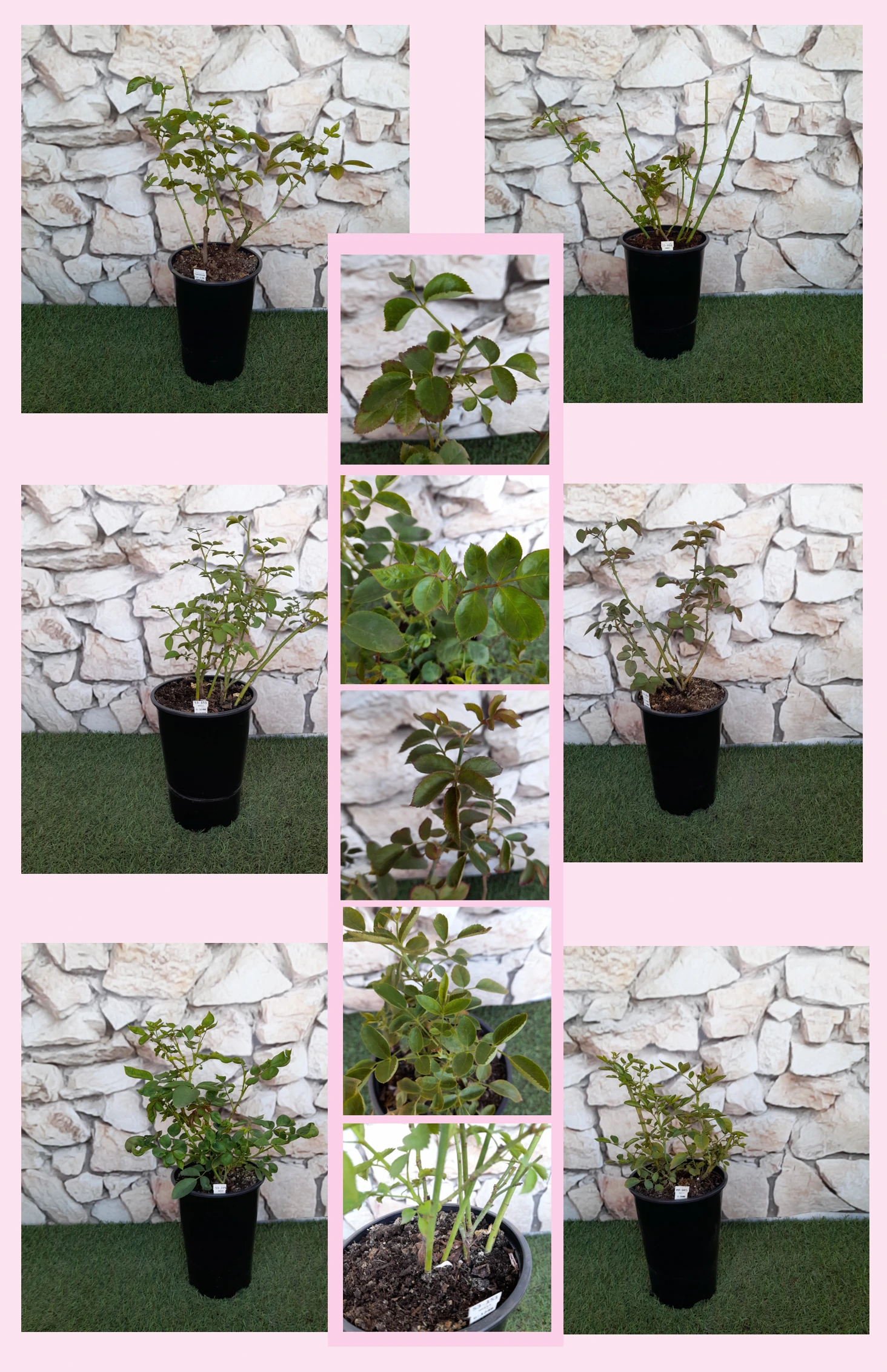
As an own‑root shrub, ‘Madame Hardy’ matures steadily: roots in the first year, more shoots and height in the second, then full ornamental impact from year three onwards. If weather or pruning knock it back, it regrows true to type, reassuring the long‑range planner. |
| Low‑intervention family garden rose bed |
Good resistance to black spot, mildew and rust means less spraying and fuss, even in damp conditions where fungal problems are common. Once planted at about 140 cm spacing and mulched, it mainly needs watering in drought, suiting health‑conscious, eco‑aware families. |
| Traditional rose garden or park specimen |
Planted at around 220 cm as a specimen, it develops into a substantial, upright shrub with dense, matt mid‑green foliage and an impressive white display. Its World Federation Old Rose Hall of Fame status adds heritage value for collectors and historic‑garden enthusiasts. |
| Large container on a sheltered terrace |
In a 40–50 litre pot with good drainage, this rose can grace patios or roof terraces where deep soil is lacking, especially in areas with frequent rain and high humidity that might trouble fussier roses in containers. Choose this for flexible, movable planting by space‑conscious urbanites. |
Styling ideas
- Cottage‑doorway charm – Frame a front path with ‘Madame Hardy’, underplanting with catmint and low lavender for a soft, scented welcome – ideal for those wanting instant period character.
- Moonlit corner – Use its luminous white blooms with silver foliage plants like Stachys and Artemisia so the flowers glow at dusk – perfect for evening sit‑out spaces.
- Historic hedge – Line a boundary with a loose row, weaving in clematis for added colour layers – suited to gardeners who enjoy traditional structure without formal clipping.
- Parkland focal point – Set a single shrub in lawn with a simple circle of brick edging and mulch – a graceful choice for those who favour a clear, classic centrepiece.
- Romantic shade‑edge – Place near hostas and ferns where it catches dappled sun, the white flowers lighting up a green backdrop – great for small, slightly shaded urban plots.
Technical cultivar profile
| Parameter |
Data |
| Name and registration |
Madame Hardy is a historic Damask, also classified as a centifolia‑type rose, traded as a shrub rose in the Rós stairiúil group; an unregistered cultivar long used under this established traditional name. |
| Origin and breeding |
Originated in France and introduced in 1832, probably as a Damask seedling selection from Jardin du Luxembourg; bred by Julien‑Alexandre Hardy and distributed through Hardy of Paris. |
| Awards and recognition |
Honoured by the World Federation of Rose Societies Old Rose Hall of Fame in 2006, recognising its worldwide historic importance, enduring popularity and outstanding garden value among classic Damask roses. |
| Growth and structural characteristics |
Forms a tall, upright yet bushy shrub 160–260 cm high and 150–250 cm wide with dense, matt mid‑green foliage and plentiful prickles, building a solid, long‑lasting framework in borders or hedges. |
| Flower morphology |
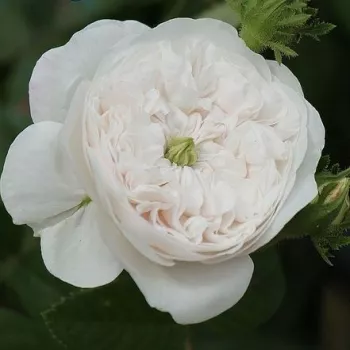
Produces large 7–10 cm, very full, rosette blooms with over 40 petals in corymbose clusters; flowers once in early summer, not remontant, and deadheading is recommended as self‑cleaning is weak. |
| Colour data and phenology |
Ivory‑white buds with slight green tint open to snow‑white rosettes with a small green eye; colour holds well in typical seasons, though petals may scorch or brown slightly in exceptionally hot weather. |
| Fragrance and aroma |
Renowned for its very strong, garden‑filling fragrance with a classic Damask character; ideal for scent‑focused plantings, close to seating areas, paths and entrances where airflow can carry the perfume. |
| Hip characteristics |
Because of the very double flower form, hips are sparse and mainly ornamental curiosities, ovoid, green, about 12–18 mm across; hip display is not a primary feature of this cultivar in the garden. |
| Resistance and winter hardiness |
Shows good resistance to common rose diseases, including black spot, powdery mildew and rust, and is very hardy, tolerating approximately −32 to −29 °C, corresponding to USDA zone 4b and RHS H7. |
| Horticultural recommendations |
Best in fertile, well‑drained but moisture‑retentive soil, neutral to slightly acidic, with spacing from 120 to 220 cm depending on use; tolerates partial shade and suits low‑maintenance, long‑term plantings. |
Madame Hardy offers a richly scented summer display, impressive historic shrub presence and resilient, long‑lived own‑root growth; consider it if you are planning a simple yet enduring focal rose.