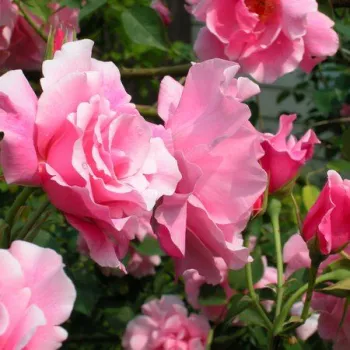
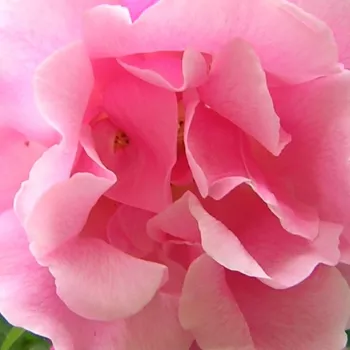
Madame Grégoire Staechelin – pink rambler climbing rose – Dot
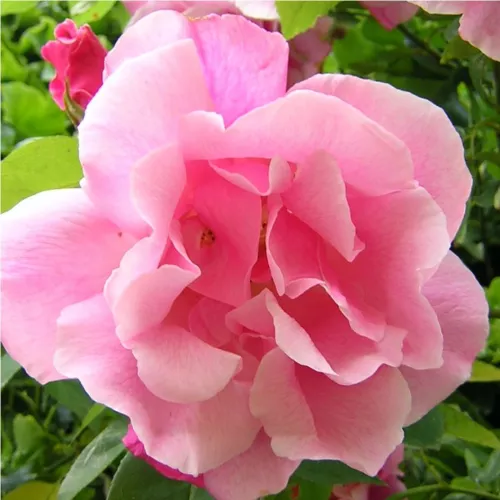
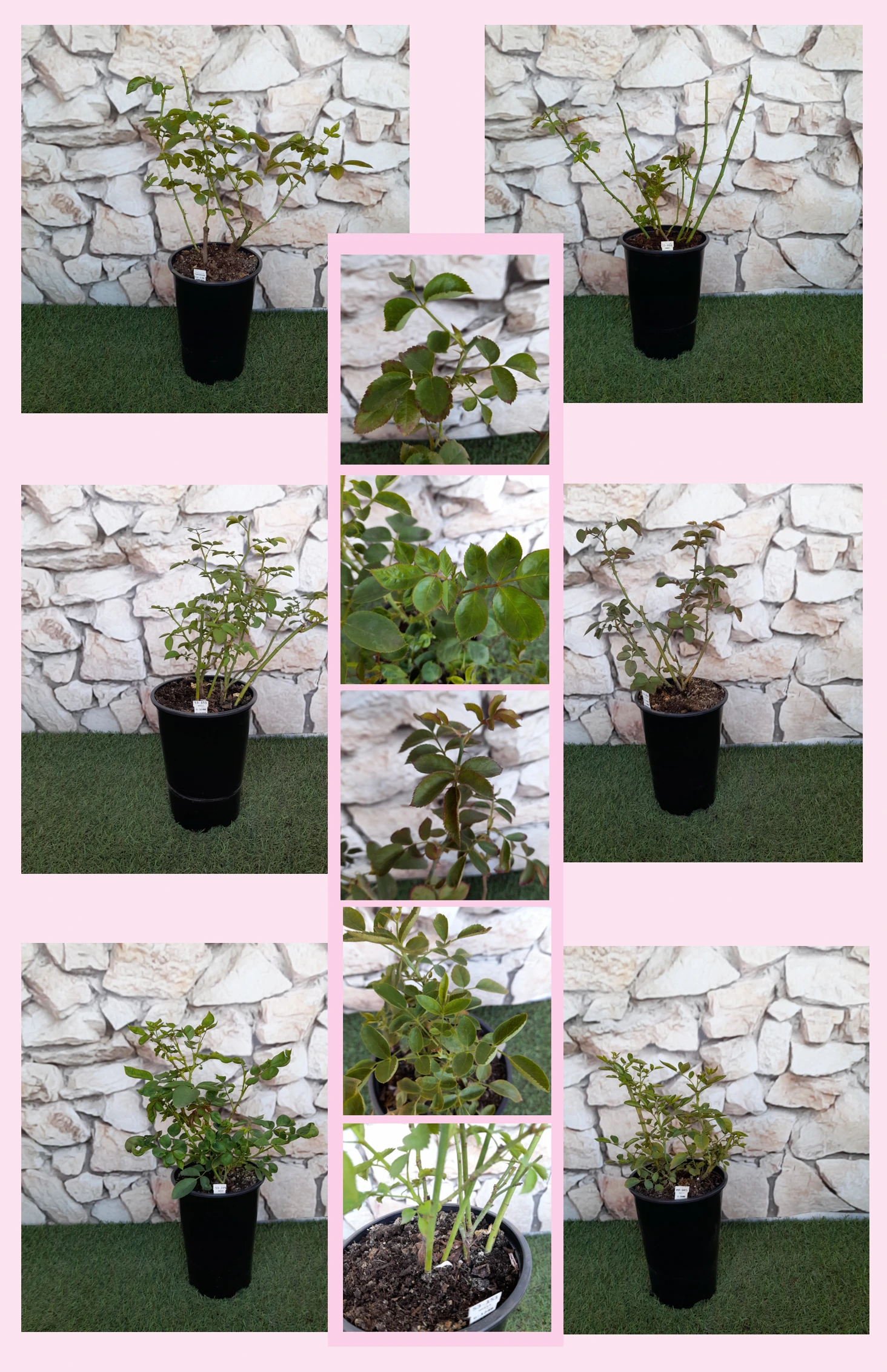
Imagine stepping outside for a short walk beneath soft rain, where the garden feels washed in green light and this graceful rambler frames your path in loose curtains of pink bloom. Madame Grégoire Staechelin is an easy-going, own-root climbing rose with naturally arching, romantic growth that suits Irish cottage fronts and compact Dublin terraces alike, coping reliably when summers are cool and damp with frequent showers and wind. Once established, its tall, airy framework clothes walls, pergolas and old trees in dense, light-green foliage and large, semi-double flowers, followed by decorative hips for autumn colour. You gain a soft, medium-strength fragrance, welcome to both you and visiting pollinators, while the own-root habit provides reassuring longevity and the classic Year 1 roots, Year 2 shoots, Year 3 full display development arc lets you enjoy a steadily deepening sense of contentment.
Usage options
| Target area | Reasoning |
|---|
| Cottage-style front garden arch |
This rose’s naturally arching habit and long canes are ideal for training over a front-garden arch, creating a once-a-year curtain of large, semi-double pink flowers with a clearly noticeable scent that hints at traditional cottage gardens, especially for the beginner. |
| Wall or fence in a family garden |
With a height of 5–7,5 m and dense, glossy foliage, it quickly softens plain boundaries, providing a leafy, flower-laden backdrop that needs only moderate care and occasional tying-in, suiting those who want structure without fussy pruning, particularly the homeowner. |
| Pergola or seating area climber |
The pronounced yet gentle sweet-floral fragrance is best appreciated near a seating area, where the large flowers hang at eye level and above, giving a summer focal point that feels calm and romantic for the fragrance-lover. |
| Trained into a mature tree |
A true rambler, it can be allowed to scramble through a strong host tree, dropping trails of pink bloom from higher branches, then showing orange-red hips in autumn, adding seasonal depth with minimal ground-space use for the nature-gardener. |
| Clay soil family garden with drainage |
Planted into improved, free-draining clay with organic matter and a mulch layer, it settles into an own-root framework that copes well with unsettled Irish weather and frequent soft rain and breezes, reassuring anyone tending a typical suburban plot, notably the busy-owner. |
| Pollinator-friendly mixed border backdrop |
The semi-double, open blooms provide accessible stamens alongside fragrance, drawing in bees and other insects while still reading as a decorative, “girly” rose wall behind herbaceous planting, pleasing the wildlife-fan. |
| Low-maintenance long-term feature |
On its own roots, this cultivar builds strength year by year, regenerating from the base if stems are damaged and giving a dependable, long-lived framework that rewards simple annual tying and a light tidy, suiting the time-poor. |
| Cut flowers for the house |
The large, cup-shaped blooms on long, flexible stems are suitable for cutting in early summer, bringing their soft pink shades and gentle perfume indoors for informal vases, a pleasure for the collector. |
Styling ideas
- Cottage-arch romance – Train it over a metal or wooden arch with foxgloves, hardy geraniums and old-fashioned perennials at the base for a soft, storybook entrance – ideal for front-garden dreamers.
- Tree-draped charm – Let the rose ramble through a strong hawthorn or crab apple, underplanting with spring bulbs so blossom, rose and hips follow in sequence – appealing to wildlife-friendly gardeners.
- Pastel pergola – Combine on a pergola with white clematis and pale-pink cosmos in large pots (40–50 litres) either side, creating a light, airy tunnel of scent and bloom – perfect for seating-area owners.
- Soft boundary screen – Cover a sunny fence with this rambler and a backdrop of common ivy, adding herbaceous peonies and nepeta in front for layered texture – suited to family gardens needing privacy.
- Hip and winter glow – Pair its orange-red hips with Cornus sanguinea ‘Midwinter Fire’ and ornamental grasses so autumn colour and structure carry interest well beyond flowering – great for four-season planners.
Technical cultivar profile
| Parameter | Data |
|---|
| Name and registration |
Madame Grégoire Staechelin, large-flowered rambler climbing rose; commercial group Rós dreapadó; ARS exhibition name Madame Grégoire Staechelin; unregistered cultivar in formal registration lists. |
| Origin and breeding |
Bred by Pedro Dot i Martínez, Viveros Dot, Barcelona, Spain; introduced 1927; parentage ‘Frau Karl Druschki’ × ‘Château de Clos-Vougeot’; named in honour of Madame Grégoire Staechelin of Basel. |
| Awards and recognition |
Gold Medal, Bagatelle (Paris) 1927; American Rose Society John Cook Medal 1929; Royal Horticultural Society Award of Garden Merit 1993, confirming strong garden performance and ornamental value. |
| Growth and structural characteristics |
Vigorous climbing rambler reaching about 500–750 cm high with 240–380 cm spread; dense, light-green glossy foliage; moderately thorny canes; suitable for walls, pergolas, arches and training through sturdy trees. |
| Flower morphology |
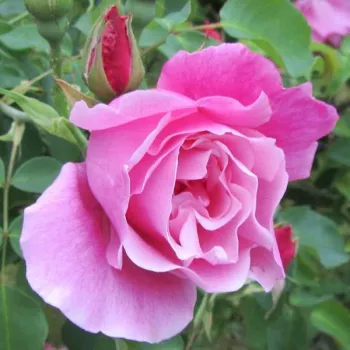
Large, 7–10 cm, semi-double, cup-shaped flowers with 13–25 petals, carried in clusters; non-remontant, flowering once in early summer; petals fall to reveal decorative hips as the season progresses. |
| Colour data and phenology |
Vivid clear pink blooms with deeper buds; ARS code mp, RHS 57B outer, 56C inner; colour softens to mid then pastel pink with creamy hints; silvery-pink petal edges and slightly darker veining in full bloom. |
| Fragrance and aroma |
Pleasantly soft yet distinct sweet-floral fragrance of medium strength, clearly noticeable around the plant; best experienced when blooms are fresh; scent combines with open centres to attract pollinating insects. |
| Hip characteristics |
Produces large, pear-shaped, orange-red hips about 22–34 mm across in moderate quantities; develop after flowering and petal fall; decorative in autumn and winter, adding seasonal interest and wildlife value. |
| Resistance and winter hardiness |
Hardy to around -21 to -18 °C (USDA 6b, RHS H7, Swedish zone 3); moderate resistance to black spot, powdery mildew and rust; tolerates heat and moderate drought well once established in suitable soil. |
| Horticultural recommendations |
Best in fertile, well-drained soil; tolerates partial shade; space 180–330 cm depending on use; allow 0,23–0,26 plants/m² for mass planting; support and tie in regularly; occasional pest and disease checks advisable. |
Madame Grégoire Staechelin offers romantic height, scented summer curtains and long-lived own-root reliability; consider it if you would like a graceful, enduring climber for your garden.