Madame Caroline Testout – pink hybrid tea rose
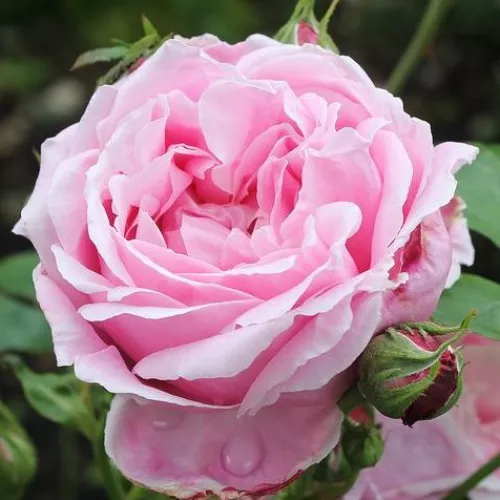
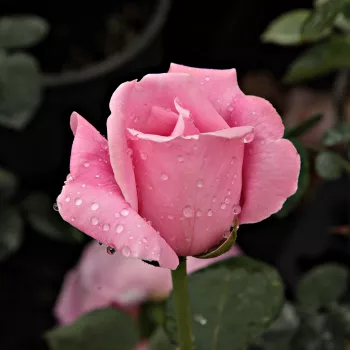
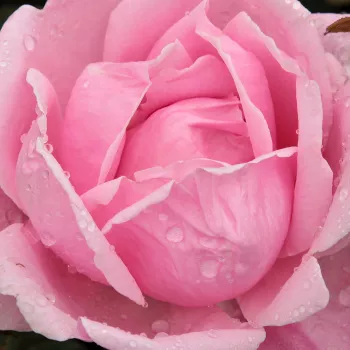
Step outside for a few quiet minutes with soft raindrops glistening on petals and you will see why Madame Caroline Testout has been loved for generations: large, romantic mid‑pink blooms with a silky sheen, carried on tall, upright stems that slip easily into vases indoors. This dependable, own‑root hybrid tea settles steadily into Irish cottage borders and Dublin front gardens, coping reliably even with rainy summers and the kind of lingering humidity that challenges fussier roses. Strong, lingering perfume drifts around the doorway, while dense, mid‑green foliage and good disease resistance keep it looking neat with very little effort. Planted as a two‑litre shrub, it focuses first on roots, then on bushy growth, and by the third year rewards you with full ornamental abundance and long‑season flowering from early summer right through repeat flushes, bringing lasting, quietly cheerful contentment to a family garden.
Usage options
| Target area |
Reasoning |
| Front garden focal point |
The tall, upright habit and large, classic hybrid tea blooms make a single shrub an elegant focus by a gate, path, or low wall, offering strong visual impact without complex care, ideal for a busy homeowner. |
| Irish cottage-style mixed border |
Reliable remontant flowering and good disease resistance suit informal cottage borders in damp, changeable Irish weather, coping well with long spells of wet, mild conditions that encourage blackspot, perfect for the relaxed gardener. |
| Cutting and vase garden |
Long, straight stems with large, goblet-shaped flowers and strong, long-lasting scent make this variety superb for cutting, so a few shrubs can keep vases filled through the season for the fragrance-loving buyer. |
| Low-maintenance family flowerbed |
Dense, mid-green foliage and generally low maintenance needs mean less deadheading and spraying, giving steady colour and structure with only occasional attention, well suited to the time-pressed beginner. |
| Own-root long-term planting |
As an own-root rose it builds a durable framework, recovering more readily from winter damage or accidental pruning and keeping its character for decades, reassuring for those planning a long-lived garden. |
| Small hedge or boundary line |
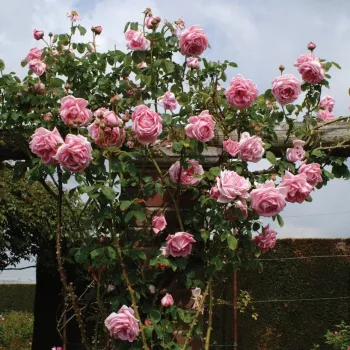
Recommended spacings allow you to create a loose, flowering hedge with repeat pink flushes and fragrant walks along paths or driveways, combining structure and romance for the style-conscious neighbour. |
| Large decorative container |
In a generously sized planter of at least 40–50 litres with free-draining compost, this upright rose brings height, perfume, and colour to terraces or small yards, especially practical for the urban gardener. |
| Three-year garden investment |
Planted as a young, own-root shrub, it first knits a strong root system, then builds firm shoots in year two, delivering full flower power and reliable shape from year three, ideal for the patient planner. |
Styling ideas
- Cottage-porch welcome – Plant near a front step with sweet alyssum at its feet for a soft, scented entrance – ideal for the fragrance-loving city homeowner.
- Romantic cutting row – Line a sunny side path with matching bushes to harvest armfuls of perfumed stems – perfect for enthusiastic home florists.
- Pastel border harmony – Combine with Physostegia and white Liatris in a mixed border for layered pinks and whites – suited to relaxed cottage-garden fans.
- Formal accent pair – Flank a path or seating area with two matching shrubs for a simple, elegant frame – attractive to structured yet low-fuss garden designers.
- Terraced hideaway – Place one in a large container by a bench for close-up scent and bloom detail – perfect for busy urban balcony or patio owners.
Technical cultivar profile
| Property |
Data |
| Name and registration |
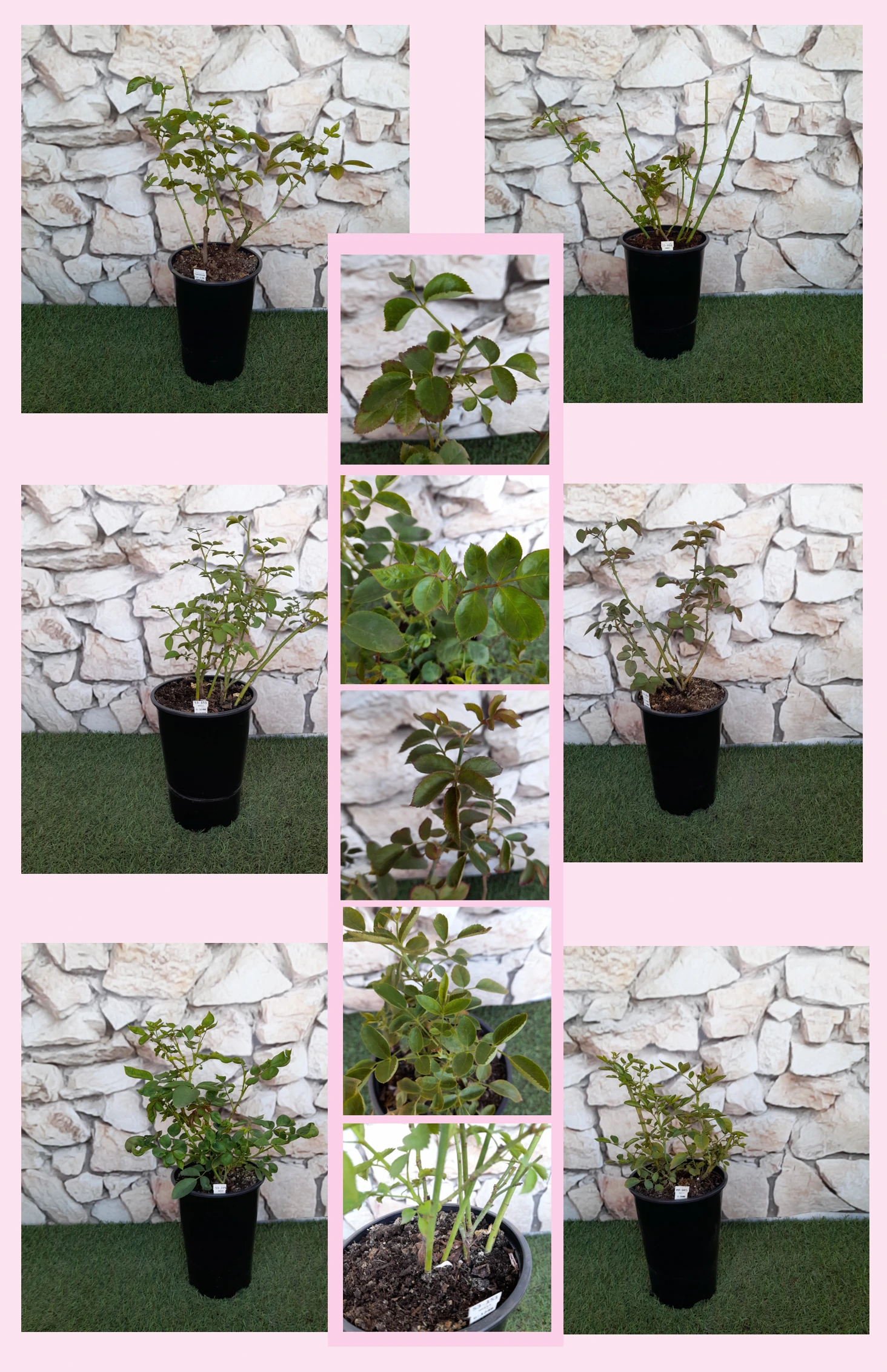
Madame Caroline Testout hybrid tea rose, trade name as listed; unregistered cultivar, traditional exhibition hybrid tea type, supplied as own-root, container-grown pharmaROSA ORIGINAL 2-litre plant. |
| Origin and breeding |
Hybrid tea bred by Joseph Pernet-Ducher, France, 1890; parentage ‘Madame de Tartas’ × ‘Lady Mary Fitzwilliam’; historically valued as both a garden and cutting rose. |
| Growth and structural characteristics |
Upright, bushy shrub typically 100–140 cm high and 70–110 cm wide; dense, mid-green, slightly glossy foliage; moderately thorny stems; weak self-cleaning, benefits from deadheading. |
| Flower morphology |
Large, double, cup to goblet-shaped flowers 7–10 cm across with 26–39 petals; mainly solitary on stems; remontant, producing repeat flushes after the main early-summer flowering period. |
| Colour data and phenology |
Medium pink blooms with silky sheen; RHS 62D outer and 62B inner; opens mid-pink, later fading to pale pastel pink; colour lasts longer in cooler conditions than in strong sun. |
| Fragrance and aroma |
Strongly scented hybrid tea rose with a long-lasting perfume typical of older garden varieties; notable fragrance performance makes it especially suitable for cutting and seating areas. |
| Hip characteristics |
Hip set generally limited due to double flowers; when formed, hips are bright red, globe-shaped, around 8–12 mm diameter, adding modest late-season decorative interest. |
| Resistance and winter hardiness |
Good general disease resistance: resistant to powdery mildew and black spot, moderate against rust; hardy approximately to −26 to −23 °C, corresponding to USDA zone 5b and RHS H7. |
| Horticultural recommendations |
Best in full sun on well-drained soil; avoid waterlogging on heavy clay by improving drainage and mulching; spacing 55–100 cm depending on use; water regularly in prolonged dry weather. |
Madame Caroline Testout offers fragrant, repeat pink blooms on a long-lived, own-root shrub that suits small Irish gardens with minimal fuss, making it a graceful choice for those planning a reliable, lasting rose.