LYDIA® – orange-pink park rose – Kordes
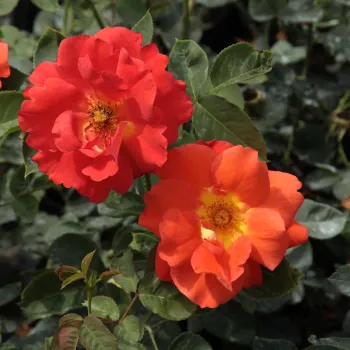
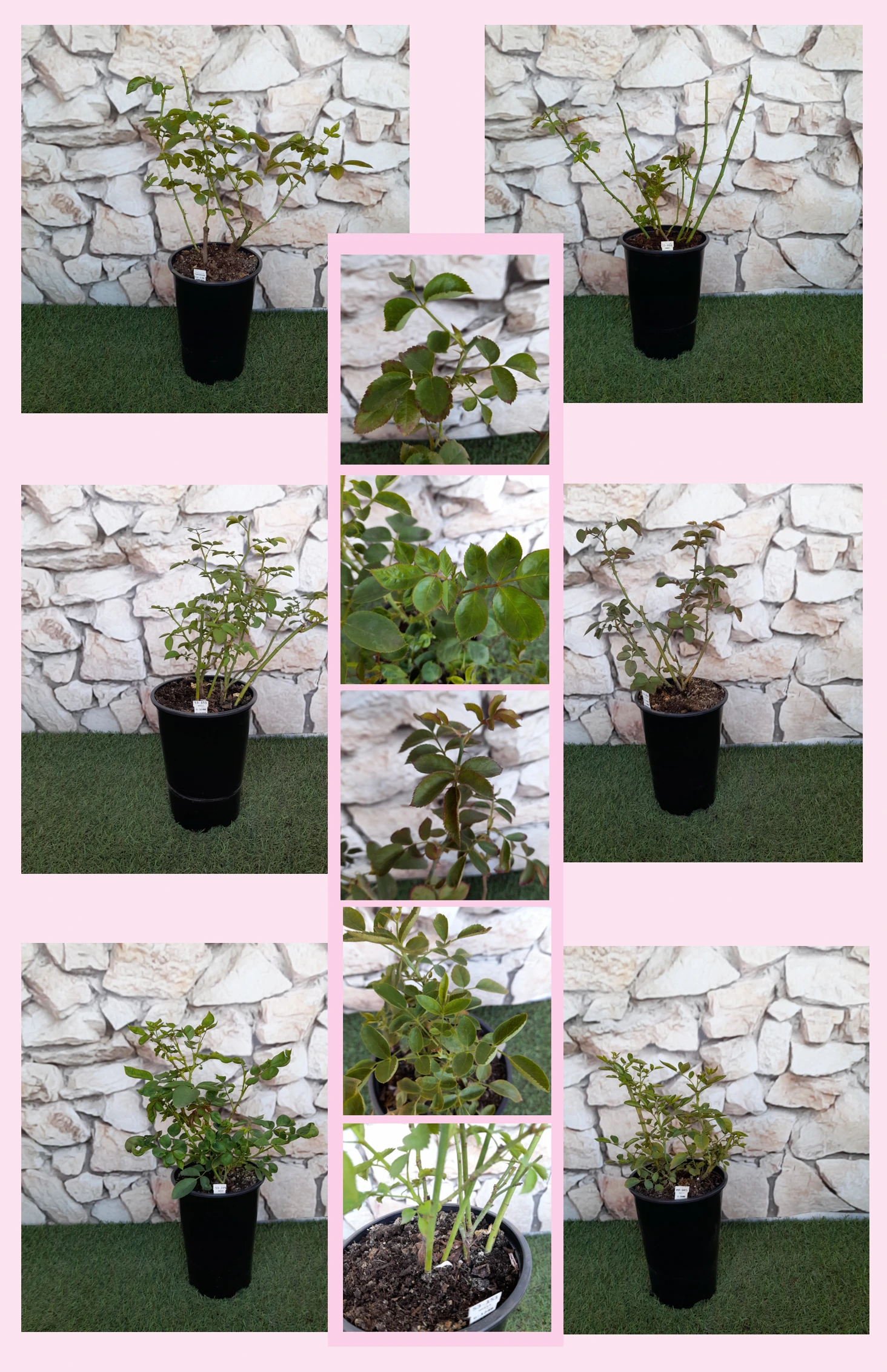
Step outside to LYDIA® and you are greeted by a soft wash of colour, a puff of rich, fruity fragrance and an easy, cottagey charm that instantly lightens the mood. This upright, bushy shrub settles happily into typical Irish clay once you give it a little drainage help, rewarding you with generous, remontant flowering whenever our summers are short and rainfall is frequent. Semi-double blooms show off their stamens for visiting bees, creating a lively, subtly wildlife-friendly scene in both country cottages and Dublin terraces. As an own-root rose it builds quietly from strong roots in the first year, into confident growth in the second, before reaching full ornamental impact by the third, so you can simply enjoy its long life, soft light tones and reliable, low-fuss performance.
Usage options
| Target area |
Reasoning |
| Feature shrub in a small to medium family garden |
With its upright, bushy framework to around 1.4–2.2 m, LYDIA® works beautifully as a stand-out shrub you can see from the kitchen window, offering structure even in winter and keeping its place for years thanks to its durable own-root habit – ideal for the time-poor homeowner or beginner. |
| Long-season colour near a front door or terrace |
The remontant habit with a generous second flush means LYDIA® brings warm orange-pink and peach tones on and off from summer into autumn, so one planting gives months of easy colour without complicated pruning – a good choice for busy urban garden owners. |
| Lightly scented seating area in an Irish cottage garden |
Strong, rich fruity scent rises from medium-sized cup-shaped blooms, creating a cheerful, intimate atmosphere around a bench or patio where you pass close by, suiting those who value fragrance but prefer plants that more or less look after themselves – perfect for fragrance-loving gardeners. |
| Pollinator-friendly mixed border with perennials |
Semi-double clustered flowers reveal accessible stamens that draw bees, especially when interplanted with hardy geraniums or coneflowers, so you can support garden biodiversity while enjoying classic roses; a natural fit for wildlife-aware family gardens. |
| Low-fuss hedge or informal boundary |
Dense, dark green foliage and moderate thorns make LYDIA® a good, softly protective shrub for hedging at 90 cm spacing, forming an easy-care, flowery backdrop that responds well to light trimming, suiting households seeking privacy with minimal routine maintenance. |
| Containers and large pots by paths or patios |
In a 40–50 litre or larger container with free-draining compost, LYDIA® gives height, colour and scent close to the house without demanding a big border, ideal for paved terraces and small city plots where flexible layout and simple watering matter most to busy urban residents. |
| Reliable performer in cooler, wet Irish conditions |
Bred by Kordes and hardy to around –26 °C, this shrub takes Atlantic weather and frequent rain in its stride when planted with decent drainage, providing steady flowering and stable form over many years – reassuring for climate-conscious home gardeners. |
| Long-term, low-input family planting scheme |
The own-root form supports gradual renewal after hard pruning or weather damage, keeping the shrub true to type and attractive for the long term, so once planted you can expect years of service with modest care – appealing to planning-minded home owners. |
Styling ideas
- Cottage-edge drift – Plant a loose row along a front path, underplant with hardy geraniums and low grasses for a soft, romantic look – suited to cottage-style front-garden dreamers.
- Warm-welcome vase – Position LYDIA® near the front door with coneflowers for contrast, so you can snip fragrant stems for indoor jugs – ideal for hosts who enjoy home-picked flowers.
- Urban-scent corner – Use a single shrub in a large pot by a terrace chair, pairing with lavender in separate containers – perfect for apartment dwellers with a sunny balcony.
- Family-play backdrop – Form a loose hedge behind a lawn, mixing LYDIA® with dwarf pines for year-round structure and seasonal blooms – great for families wanting a soft-focus boundary.
- Pollinator-ribbon border – Thread LYDIA® through a narrow bed with salvias and herbs to feed bees while keeping maintenance straightforward – right for nature-aware but time-poor gardeners.
Technical cultivar profile
| Trait |
Data |
| Name and registration |
Registered as Lydia, a shrub / park rose marketed as LYDIA® – orange-pink park rose – Kordes; exhibition category shrub rose, name deriving from a feminine given name. |
| Origin and breeding |
Bred by Reimer Kordes of W. Kordes’ Söhne, Germany, from unknown seedling × ‘Circus’; introduced and registered in 1973, primarily distributed by W. Kordes’ Söhne. |
| Awards and recognition |
Bronze medal at the Baden-Baden International Novelty Competition in 1975, reflecting early recognition for ornamental value and garden performance among contemporary shrub roses. |
| Growth and structural characteristics |
Vigorous, upright, bushy shrub to around 140–220 cm high and 120–180 cm wide, moderately thorny, with dense, slightly glossy dark green foliage (RHS 137A) providing good visual coverage. |
| Flower morphology |
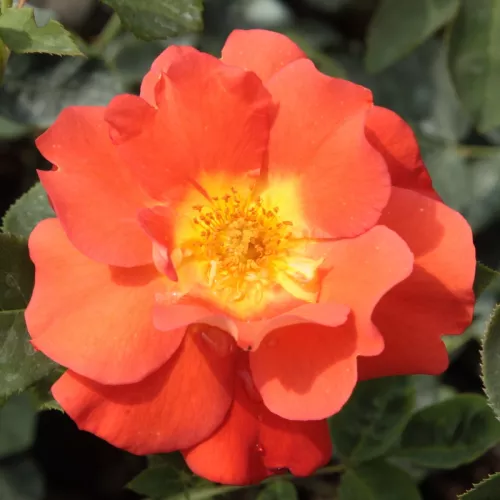
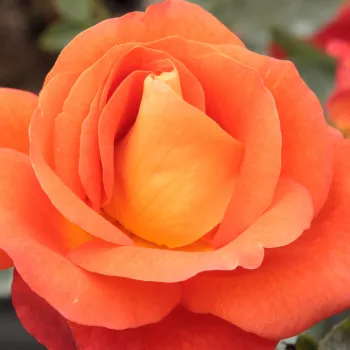
Semi-double, goblet to cup-shaped clustered blooms with 13–25 petals, medium-sized at about 4–7 cm across, repeat-flowering with an especially generous second flush after the main summer display. |
| Colour data and phenology |
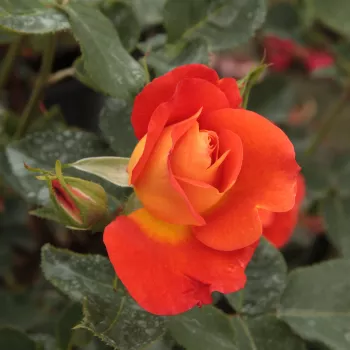
Warm orange-pink base with yellow tones; buds deep orange-red, ageing through salmon-orange to peach and creamy yellow; ARS colour OB, RHS 24B outer and 14B inner petal surfaces, moderate colour retention. |
| Fragrance and aroma |
Strong, distinct, rich fruity fragrance best appreciated at close range, particularly around nose-height plantings or in containers near seating, enhancing the sensory quality of small gardens and patios. |
| Hip characteristics |
Moderately abundant small ellipsoidal hips, about 8–12 mm, turning red (RHS 44A) in season, adding subtle late interest and light wildlife value without overwhelming the plant’s blooming performance. |
| Resistance and winter hardiness |
Hardy to about –26 to –23 °C (H7, USDA 5b, Swedish zone 4); moderate resistance to powdery mildew, black spot and rust, responding well to basic hygiene and occasional preventative care if needed. |
| Horticultural recommendations |
Space at 105 cm for mass, 90 cm for hedges, 165 cm as specimen; prefers well-drained but moisture-retentive soil, benefits from mulch and regular deadheading, suitable for parks, gardens and large containers. |
LYDIA® offers long-season colour, rich fruity fragrance and durable own-root reliability for family gardens, making it a thoughtful choice if you want a graceful, easy-care shrub rose to enjoy for many years.