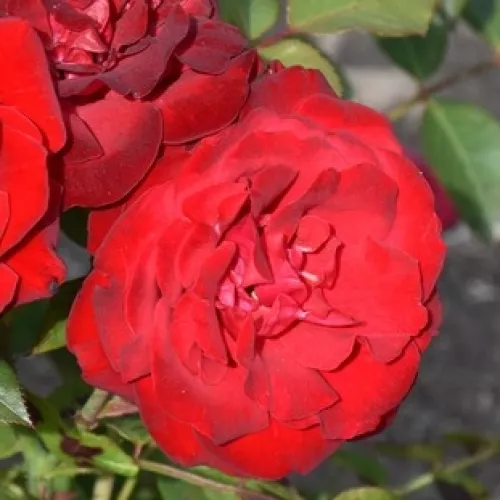
LÜBECKER ROTSPON – dark red bedding floribunda rose – Evers
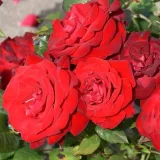
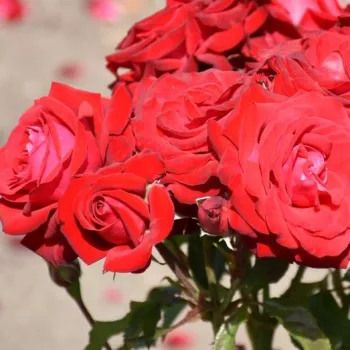
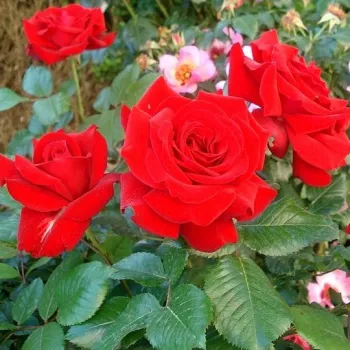
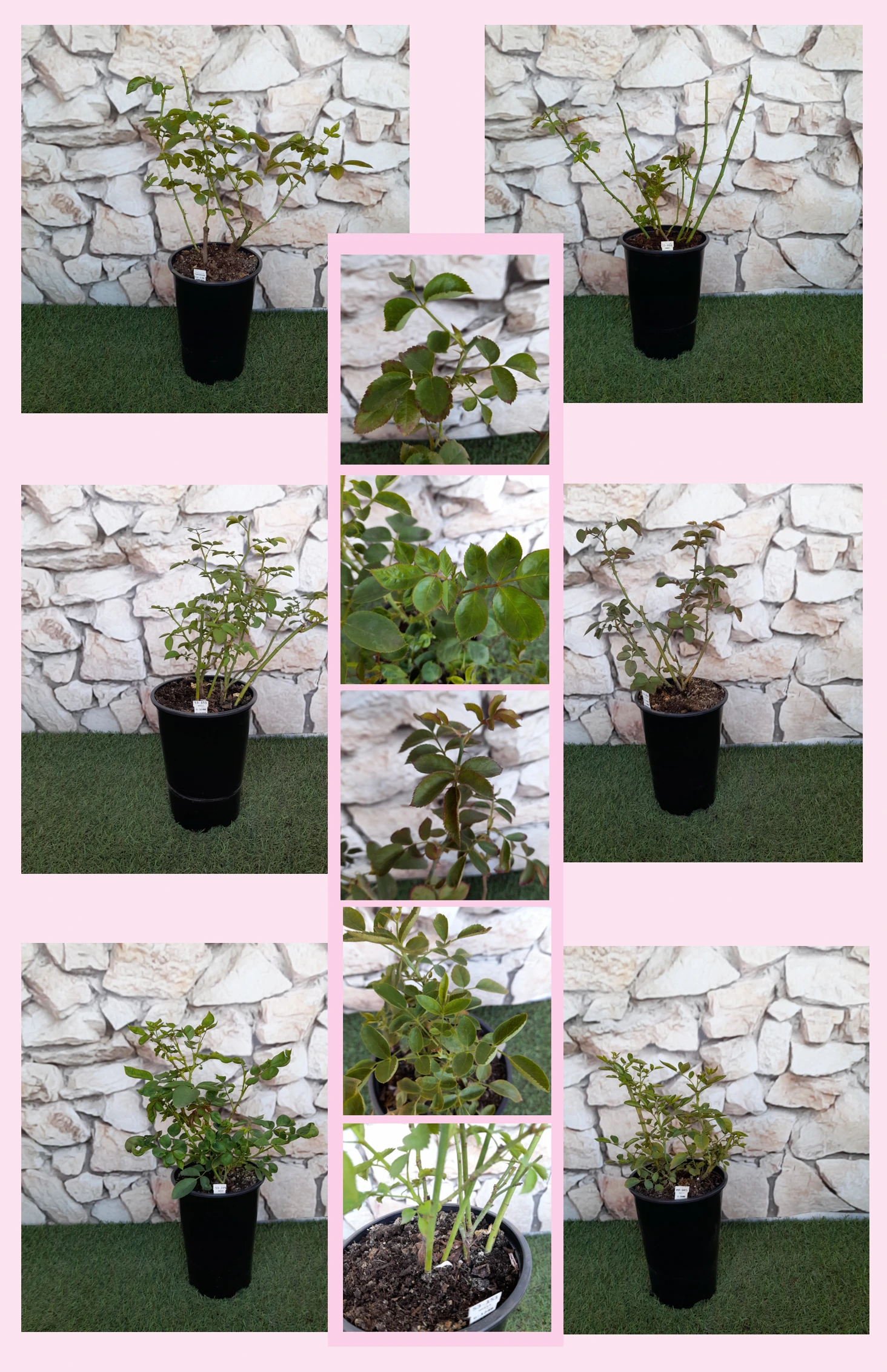
Bring a sense of velvet richness to your Irish garden with Lübecker Rotspon, a compact floribunda that shrugs off showers and breeze, thriving even where rainfall and clay soils call for good drainage and a light mulch. Its bushy, border-friendly habit and glossy dark foliage create a neat structure that suits both cottage paths and tidy city front gardens, while large, cupped clusters of deep burgundy blooms repeat generously from early summer well into autumn. Own-root plants mean dependable longevity, stable shape and easy recovery if stems are damaged, so you simply plant once and enjoy. Over time it settles in naturally – first building strong roots, then fuller shoots, before reaching its complete ornamental character by around the third year.
Usage options
| Target area | Reasoning |
|---|
| Front garden focal point by the path |
The bushy, upright habit and large, cupped flowers form an immediate welcome beside a front door or along a short path, without blocking light or views, ideal where space is limited in Dublin terraces and similar homes for the busy urban gardener. |
| Traditional Irish cottage border |
Reliable repeat flowering and rich dark-red tones weave beautifully among cottage perennials, giving colour continuity from early summer to autumn on a sturdy framework that copes with damp, breezy conditions for the nature‑oriented homeowner. |
| Low flowering hedge along a driveway |
The recommended hedge spacing creates a dense, glossy line that fills with clusters of burgundy-red blooms, offering definition and privacy while staying low enough for easy pruning and light access for the practical family gardener. |
| Mixed border accent in heavy clay soil |
Well-prepared, free-draining planting holes and a modest mulch are enough for this variety to establish on typical Irish clay, with own-root resilience supporting a long-lived, low-fuss structure for the beginner rose enthusiast. |
| Season-long colour in a large feature container |
In a 40–50 litre or larger pot with drainage, Lübecker Rotspon’s compact spread and remontant flowering give months of deep colour on patios or balconies, with simple dead-heading and watering suiting the time‑pressed city dweller. |
| Small pollinator-friendly corner with companion plants |
While double blooms are less accessible, planting with Verbena bonariensis or Liatris spicata nearby increases nectar value and movement, so you enjoy structure and flowers while leaving feeding duties to the companions as a wildlife‑minded gardener. |
| Long-term structural planting for family gardens |
Own-root growth gives good longevity and stable form, so after the early years of root and shoot building you gain a durable, easily rejuvenated shrub that responds well to periodic pruning, rewarding the forward‑thinking homeowner. |
| Rain-resilient bedding in exposed, breezy spots |
The floribunda clusters, strong colour retention and dense foliage hold up attractively in typical Atlantic showers and wind, needing only modest maintenance once established, which reassures the low‑maintenance gardener. |
Styling ideas
- Cottage-Romantic Border – Thread Lübecker Rotspon through a loose mix of foxgloves, hardy geraniums and tall verbena to echo the cottage feel, suiting homeowners who like soft structure with rich, traditional colour.
- Formal Front Edge – Plant a straight row near the boundary, underplanted with low lavender or thyme, to create a tidy, fragrant edging for paths or drives that appeals to tidy, design-conscious city dwellers.
- Container Statement – Use a 50 litre half-barrel with silvery foliage plants and trailing ivy to showcase its velvety blooms on a patio, perfect for balcony owners seeking maximum impact in limited space.
- Wildlife-Friendly Blend – Mix with Liatris spicata ‘Alba’, Verbena bonariensis and ornamental grasses so the rose provides structure while airy flowers feed insects, ideal for nature-loving families.
- Long-View Anchor – Position a group of three at the end of a lawn or vista, backed by dark yew or beech, to create a durable focal point that matures gracefully for patient gardeners planning years ahead.
Technical cultivar profile
| Property | Data |
|---|
| Name and registration |
Floribunda bedding rose TANtide, trade name Lübecker Rotspon, also shown as Glad Tidings in exhibition floribunda classes; part of the Rósra bhláthchlóis group for garden and cutting use. |
| Origin and breeding |
Bred by Hans Jürgen Evers for Rosen Tantau from Seedling × Seedling; registered 1988, introduced 1990, developed in Germany and distributed internationally as a robust garden and show variety. |
| Awards and recognition |
Honoured as UK Rose of the Year 1989, confirming all-round garden merit, and awarded the Durbanville Gold Medal 1992 in South Africa for performance and ornamental value under varied conditions. |
| Growth and structural characteristics |
Bushy, shrub-like plant reaching about 65–95 cm high and 50–75 cm wide, with dense, glossy dark green foliage and moderate prickliness, forming a compact, well-filled outline suited to borders and hedging. |
| Flower morphology |
Large, double, cupped blooms with 26–39 petals, generally in clustered inflorescences; flower size around 7–10 cm, flowering freely in waves with a particularly abundant second flush in suitable conditions. |
| Colour data and phenology |
Deep burgundy-red blooms, ARS dark red, RHS 53A outer and 60A inner, showing silky velvety texture; colour holds well, gently fading to ruby with brownish-burgundy margins as the flowers age before dropping. |
| Fragrance and aroma |
Very weak fragrance, with only a slight sweet note noticeable in warm, still weather; chosen primarily for colour effect, floribunda performance and garden reliability rather than for strong perfume. |
| Hip characteristics |
Produces moderate numbers of small, ellipsoidal red hips, about 6–10 mm in diameter, adding discreet seasonal interest in late season if spent flowers are left on the plant rather than dead-headed. |
| Resistance and winter hardiness |
Hardy to approximately −26 to −23 °C (H7, USDA 5b); good black spot resistance with moderate susceptibility to powdery mildew and rust, benefiting from airflow and occasional preventative treatments in humid sites. |
| Horticultural recommendations |
Best in sunny positions with well-drained soil; plant 35–65 cm apart depending on use, at densities around 5.7–6.5 plants/m², with moderate maintenance involving dead-heading, light pruning and basic disease monitoring. |
Lübecker Rotspon offers velvety, long-season colour on a compact, hardy shrub that matures steadily on its own roots into a durable, low-fuss feature; a thoughtful choice if you want lasting structure with minimal effort.