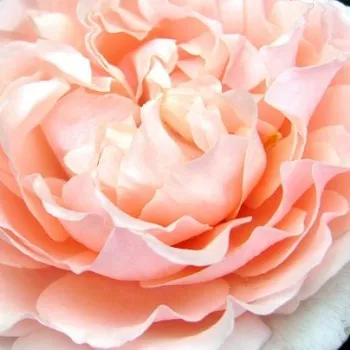
LOUISE DE MARILLAC™ – pink flowerbed shrub rose
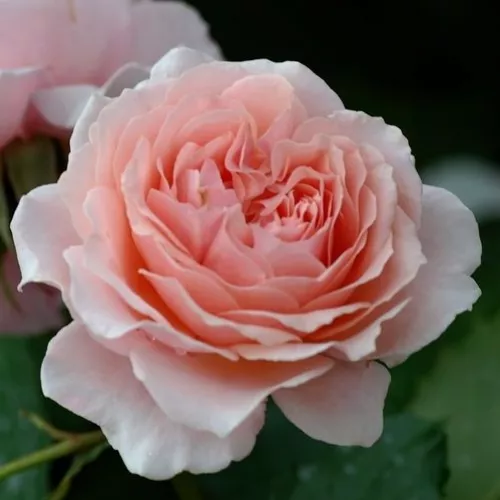
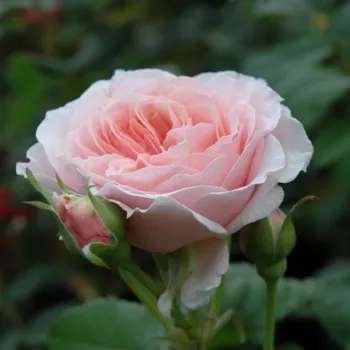
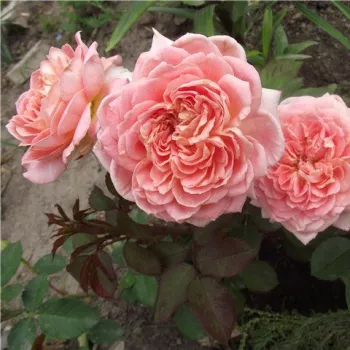
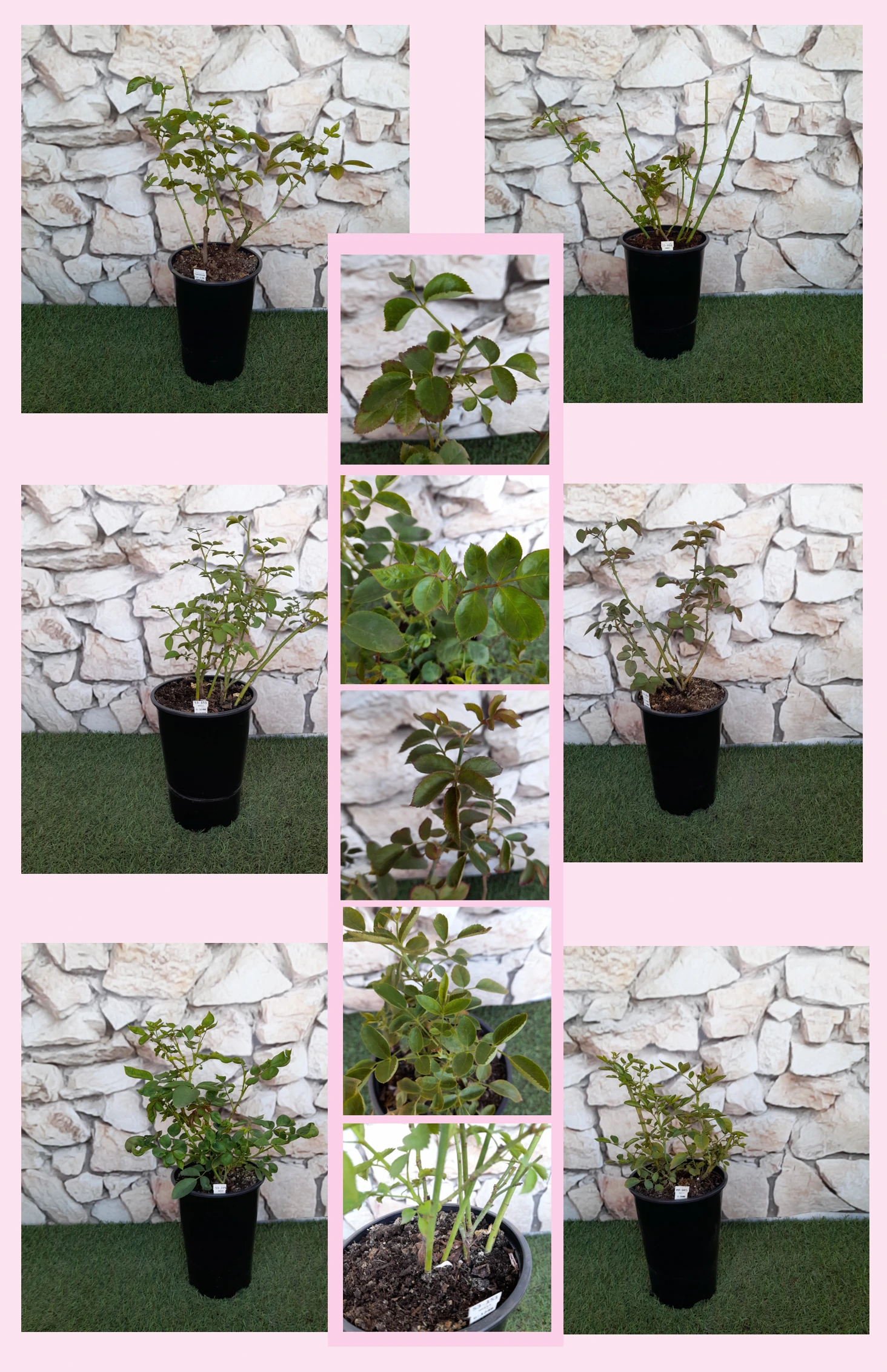
If you love relaxed cottage style, Louise de Marillac™ brings soft pink, cup-shaped blooms in generous flushes, creating a gentle romantic feel in both Dublin front gardens and country plots. This upright, bushy shrub forms a compact structure about a metre high, ideal for small and medium spaces where you want reliable colour without fuss. Its own-root origin supports a long, steady lifespan, so even after a tough winter or a pruning mistake, fresh shoots regenerate from below and the rose regains full ornamental value. The pharmaROSA® ORIGINAL 2‑litre pot makes first planting pleasantly simple, and, in Ireland’s mix of soft light and frequent rain, it adapts well when given basic drainage and an open, sunny spot that copes calmly with our moist, breeze‑touched climate. Over time, this shrub settles into a rounded presence for beds, edging and small hedges, pairing beautifully with perennials such as calamint, daylilies and scabious for an easy, “girly” cottage charm. In year one it quietly builds roots, year two brings stronger shoots, and by year three you enjoy its full, dependable garden impact.
Usage options
| Target area |
Reasoning |
| Cottage-style flower bed in a family garden |
The bushy, upright habit and medium height make this rose ideal as a softly rounded anchor in mixed beds, where its pastel pink cups repeat through the season and pair easily with herbaceous favourites – perfect for the beginner. |
| Dublin terraced-house front garden |
Its compact footprint and neat, structural outline suit narrow front borders, giving a gentle, romantic welcome without overwhelming the space, especially when combined with low perennials along a path – reassuring for the homeowner. |
| Low flowering hedge along a path or driveway |
Planted at recommended spacing, the shrub’s consistent height and branching build a soft-edged pink ribbon that guides visitors, while own-root durability helps the line recover if sections are damaged – helpful for the planner. |
| Feature shrub in a small lawn or gravel area |
Used as a single specimen at wider spacing, its structured shape and repeat blooming give a clear focal point that matures gradually without demanding complex pruning, rewarding those who prefer simple routines – ideal for the busy. |
| Mixed perennial border with pastel planting |
The medium-large, cup-shaped flowers blend gently with airy companions like calamint, Knautia and daylilies, providing long-season continuity of pink while perennials weave texture and movement – inspiring for the stylist. |
| Sunny, well-drained bed on heavier Irish clay |
This variety enjoys warmth but needs moisture-balanced soil, so adding grit or organic matter under the root zone and a light mulch helps it cope with our regular rain and maintain steady growth – practical for the problem-solver. |
| Own-root rose area for long-term plantings |
Because the plant grows on its own roots, it ages steadily rather than declining on a graft, so after seasonal pruning or weather setbacks the original variety always shoots back true, fitting long-range garden plans – reassuring for the investor. |
| Large container on patio or balcony (40–50 litre minimum) |
In a generous pot with quality compost and good drainage, its upright, bushy character becomes a tidy, repeat-flowering balcony or patio accent; regular watering in dry spells keeps growth balanced and healthy – suitable for the urbanite. |
Styling ideas
- Cottage-Romantic – Combine with Calamintha ‘Elfin Purple’ and Knautia ‘Red Knight’ for a softly billowing, country path look – for lovers of traditional Irish cottage charm.
- Front-Door Welcome – Plant as a pair flanking a short path, underplanted with low lavender or catmint for structure and scent – for city homeowners wanting easy kerb appeal.
- Pastel-Border – Mix with pale daylilies, soft grasses and white campanulas to create a long-season ribbon of calm colour – for gardeners seeking a soothing, feminine palette.
- Low-Hedge – Run a loose line along a driveway, interspersed with repeating perennials to soften the outline and extend flowering interest – for planners of family-friendly boundaries.
- Patio-Focus – Grow one shrub in a handsome 50‑litre pot with trailing thyme or lobelia at the base for a compact but generous focal point – for balcony and terrace dwellers.
Technical cultivar profile
| Parameter |
Data |
| Name and registration |
Shrub rose from the Les Provençelles collection, registered as MASloumar and traded as Louise De Marillac; classified as a pink flowerbed shrub rose for garden and landscape use. |
| Origin and breeding |
Bred by Dominique Massad in France from ‘Paul Bocuse’ × ‘Michelle Bedrossian’; introduced by Pétales de Roses around 2011 and registered in 2010 for European garden markets. |
| Growth and structural characteristics |
Upright, bushy shrub reaching about 80–105 cm high and 50–70 cm wide, with dense mid-green, slightly glossy foliage and moderate thorns, forming a compact, rounded framework. |
| Flower morphology |
Double, cup-shaped blooms with 26–39 petals, medium-large at 7–10 cm, borne in clusters and repeating well, with an abundant second flush under normal garden conditions. |
| Colour data and phenology |
Medium pink with baby-pink tones (RHS 62C–62D); opens uniform baby pink, then lightens toward pale, almost whitish edges, with richer colour in cool spells and faster fading in heat. |
| Fragrance and aroma |
Very faint fragrance with a discreet, elegant character; scent is barely detectable at normal viewing distance, making colour and form the primary ornamental features of the blooms. |
| Hip characteristics |
Low hip set expected due to double blooms; occasional small, spherical red hips may form, about 8–12 mm in diameter, providing modest late-season decorative interest when present. |
| Resistance and winter hardiness |
Hardy to about −21 to −18 °C (RHS H7, USDA 6b); heat tolerance good with watering in dry spells; disease resistance medium, with possible powdery mildew, black spot and rust. |
| Horticultural recommendations |
Best in sunny, well-drained soil; spacing 50–90 cm depending on use; medium maintenance with occasional deadheading and plant protection; suited to beds, edging, parks and specimen roles. |
Louise De Marillac™, with its compact structure, repeat soft-pink flowering and long-lived own-root robustness, suits Irish family gardens where you prefer reliable beauty with straightforward care, so you may choose it with quiet confidence.