Little Rambler – miniature climbing rose on own roots
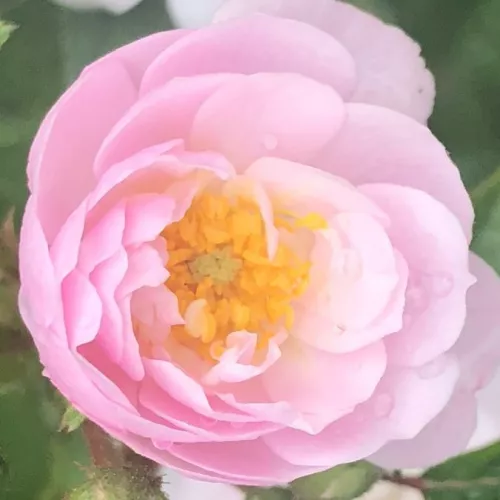
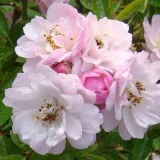
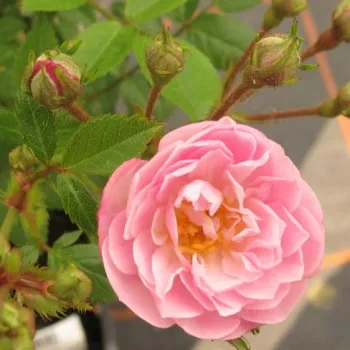
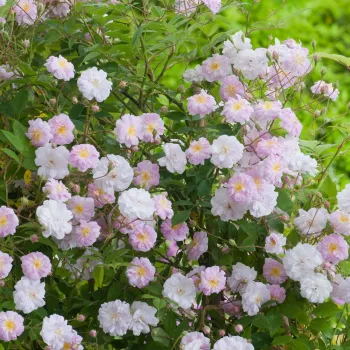
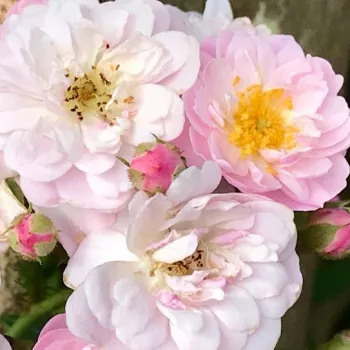
With its airy clusters of flowers and compact climbing habit, Little Rambler brings a feeling of cottage charm to even the smallest Irish garden, from a sunny terrace wall to a tiny front gate arch. Masses of sugar-pink blooms open to show stamens that gently invite bees, then fade towards almost white, creating a soft pastel haze against glossy dark foliage. This own-root climber is bred for steady longevity, quietly rebuilding from the base after rough winters and keeping its shape even if individual canes are pruned hard. In a climate of frequent showers and soft breezes rolling in from the Atlantic, it offers dependable flowering with only moderate care and simple seasonal tidying. Over the first seasons it settles in naturally – roots in year one, stronger shoots in year two, and by year three a pretty curtain of blossom that frames your garden entrance in a mood of easy-going, rain-kissed romance.
Usage options
| Target area |
Reasoning |
| Small cottage pergola or low arch |
Its moderate height and compact climbing habit suit low arches and petite pergolas where huge ramblers would overwhelm the space. Clusters of pastel blooms create a soft tunnel effect perfect for cottage paths and storybook front gardens for the romantic gardener. |
| Dublin terraced-house front wall or railings |
Little Rambler’s slim framework and sparse thorns make it easy to train along a narrow front wall or metal railings without crowding pavements. Regular repeat flowering keeps the façade welcoming through summer with minimal pruning for the style-conscious city homeowner. |
| Family fence line in a small to medium garden |
Planted at the recommended spacing along a fence, it forms a gentle, flowery screen rather than a dense hedge, allowing light through while softening boundaries. Its self-cleaning habit reduces deadheading, so weekends remain free for the busy family gardener. |
| Obelisk or pillar in a mixed border |
The miniature clusters and neat climbing growth spiral naturally around an obelisk, adding vertical interest without shading neighbours. Pollinator-attracting, open-centred blooms mix well with perennials and keep the border lively for the nature-loving hobby gardener. |
| Large container by the front door (40–50 litres+) |
In a sufficiently large, well-drained container it forms a graceful column of blossom on trellis, ideal where soil is poor or paved. Own-root growth means it builds a stable base and recovers better if winter cuts it back for the practical, space-limited urban gardener. |
| Partially shaded side passage or courtyard |
This variety tolerates partial shade, so it can brighten those side passages and courtyards that only get a few hours of sun. Pastel flowers read well even in soft light, and moderate maintenance needs fit areas that are often visited but rarely worked on by the time-poor homeowner. |
| Low-maintenance family play garden backdrop |
Moderate disease resistance and average water needs mean it copes well in typical Irish gardens, even with frequent showers and changeable summers, quietly flowering on without fussy routines, perfectly matching the relaxed expectations of the beginner gardener. |
| Seasonal wildlife-friendly corner with hips and flowers |
The open-centred flowers draw bees in summer, while small red hips in autumn add colour and light wildlife interest. Repeating flushes extend the season so children see change over months, making it a gentle choice for the nature-oriented family gardener. |
Styling ideas
- Cottage-arch – Train Little Rambler over a low timber arch with catmint and oxeye daisies at the base for a soft, storybook entrance – ideal for cottage-style romantics.
- Railway-terrace – Clothe a short front rail and narrow bed with Little Rambler and lamb’s ear for a simple, airy frontage – perfect for Dublin terraced-house owners.
- Pastel-pillar – Spiral stems up a slim obelisk among soft grasses and white perennials, creating a vertical blush of colour – great for small-space designers.
- Container-greeter – Plant in a 40–50 litre pot with good drainage by the door, underplanted with catmint for continuous movement and scent – suited to busy urban gardeners.
- Family-fence – Space plants along a boundary fence, weaving canes loosely for a gentle flower curtain above play areas – appealing to relaxed family gardeners.
Technical cultivar profile
| Parameter |
Data |
| Name and registration |
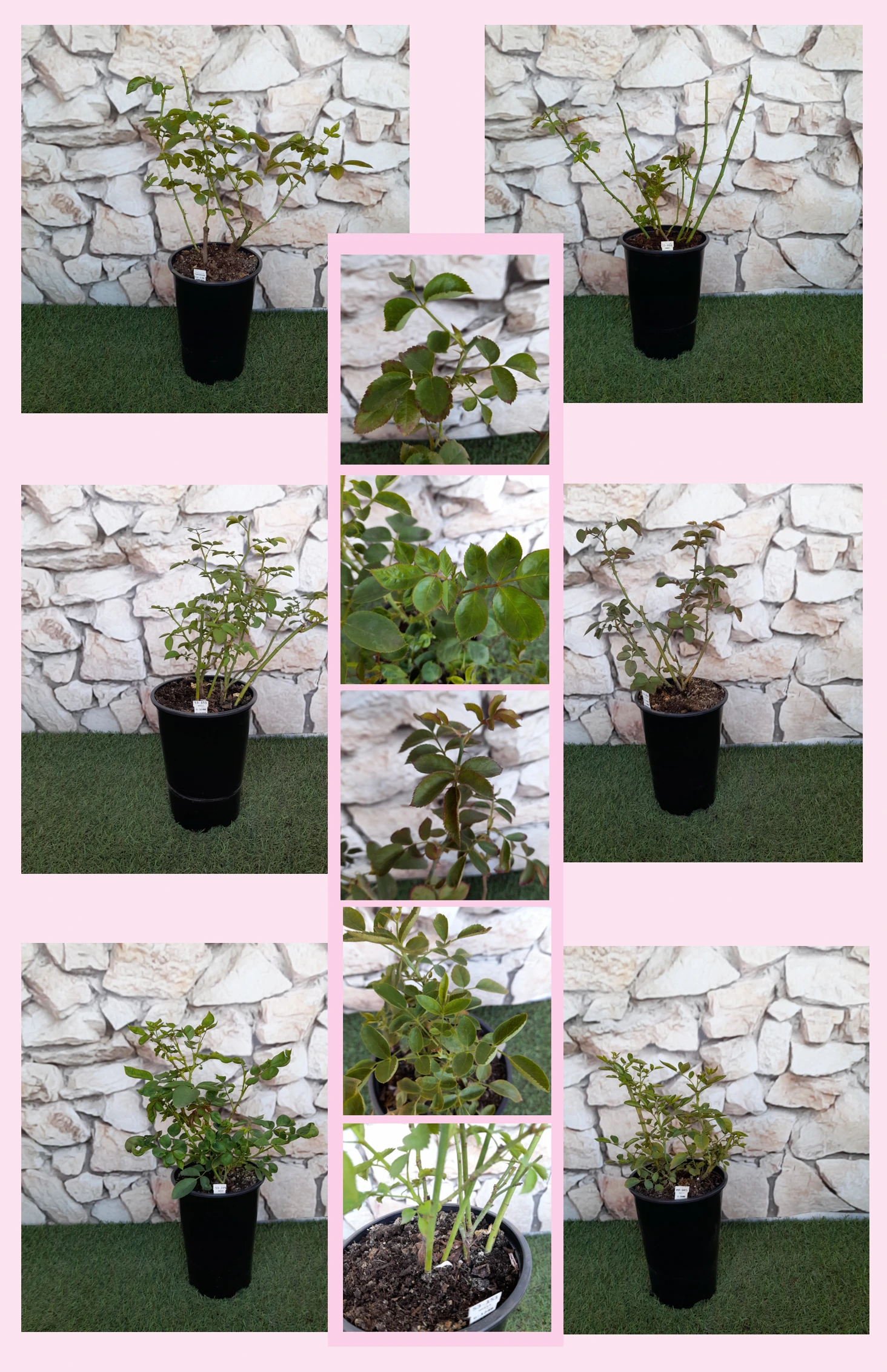
Miniature climbing rose, registered as CHEWramb, marketed as Little Rambler. Part of the climbing rose collection and sold on its own roots in 2 litre containers for garden use. |
| Origin and breeding |
Bred by Christopher H. Warner in the United Kingdom in 1989, from complex parentage including ‘Cécile Brunner’, ‘Baby Faurax’, ‘Marjorie Fair’ and ‘Nozomi’; introduced and registered in 1994. |
| Awards and recognition |
Recipient of a Certificate of Merit in Great Britain in 1991, reflecting reliable garden performance and ornamental value over several seasons in temperate European conditions. |
| Growth and structural characteristics |
Miniature climber reaching 180–260 cm high with a 160–240 cm spread, bearing dense, glossy dark green foliage on sparsely thorned canes; climbing habit suits training on supports. |
| Flower morphology |
Small double cup-shaped blooms, 1–4 cm across, produced in airy clusters. Around 20–30 petals per flower, remontant with a notable second flush that follows the main summer display. |
| Colour data and phenology |
Soft pastel pink blooms, RHS 65C–65D, opening sugar-pink and fading toward creamy, almost white edges. Colour retention is moderate, giving a gentle, changing effect across each cluster. |
| Fragrance and aroma |
Mild, soft floral scent rather than a strong perfume, offering a light, pleasant background fragrance that complements paths, doors and seating areas without overwhelming nearby spaces. |
| Hip characteristics |
Produces small spherical red hips, about 4–7 mm in diameter, in moderate quantities after flowering, adding fine-textured autumn interest and light wildlife value without heavy seeding. |
| Resistance and winter hardiness |
Hardy to around −18 to −15 °C (H6, USDA 7a, Swedish zone 2). Shows moderate resistance to black spot, powdery mildew and rust, and average tolerance of heat and drought with watering. |
| Horticultural recommendations |
Best on supports such as pergolas, fences and obelisks, in ground or 40–50 litre containers. Prefers well-drained soil, moderate feeding, partial shade tolerance and occasional pest control as needed. |
Little Rambler offers compact climbing charm, long-season pastel flowering and steady own-root resilience, making it a thoughtful choice for those wanting gentle colour with modest upkeep.