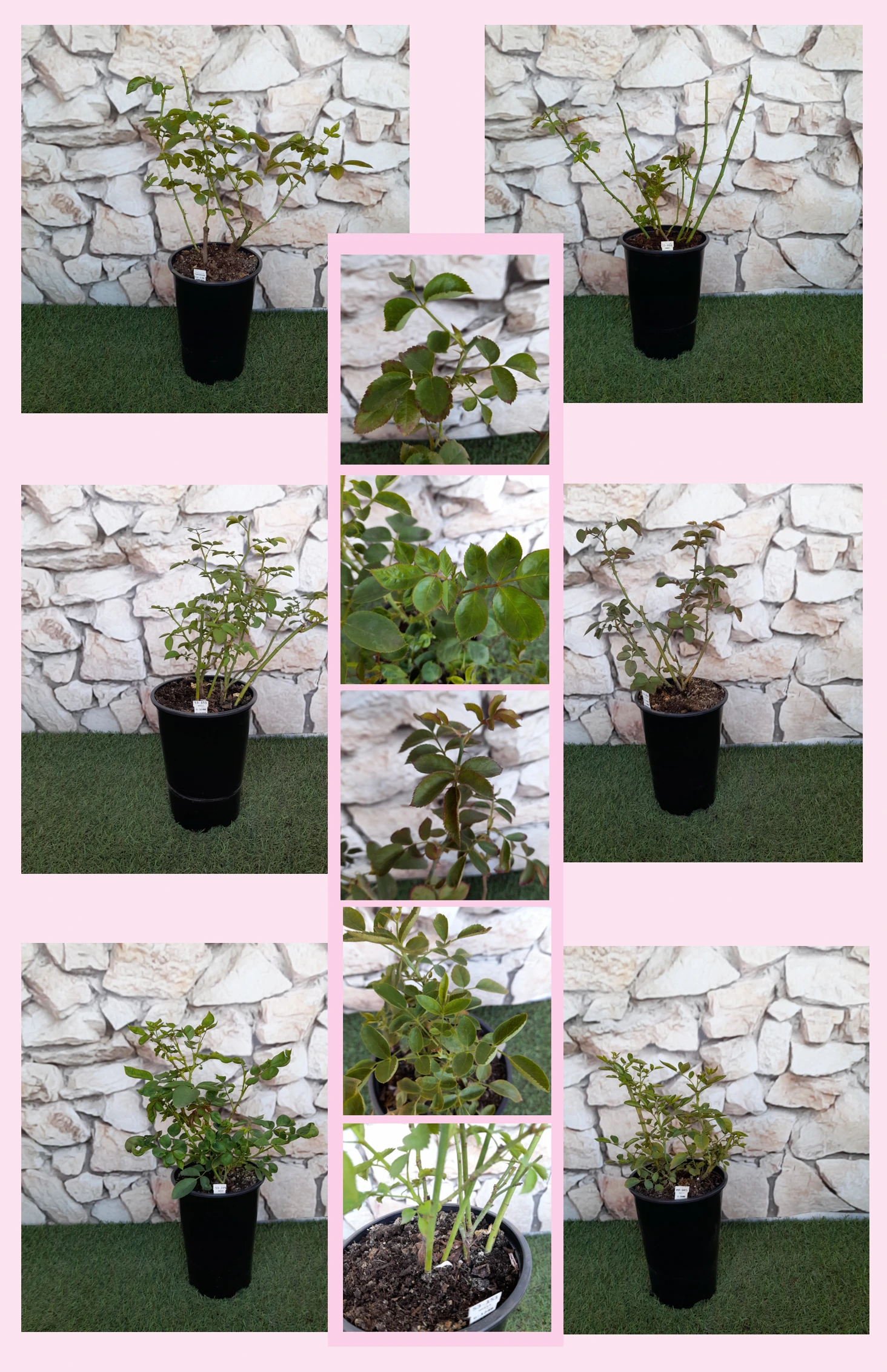
ETRUSCA – orange hybrid tea rose – Barni
Step outside to a soft drizzle and meet Etrusca, a warm cottage-style hybrid tea rose that turns even a tiny Dublin front garden into a corner of Tuscany. Its glowing orange blooms open from deep copper buds into large, peach-tinted cups, perfect for cutting and bringing that same cheerful mood indoors. Bushy, medium-height growth and dense, glossy foliage make it easy to slip into an existing border, while own-root strength promises a long, steady life and simple upkeep. Given a spot with reasonable drainage for our wet Irish soils and regular deadheading, it rewards you with generous remontant flushes right through the season. Over time, this thoughtful Barni-bred selection quietly settles in – year1 for roots, year2 for shape, year3 for full ornamental impact under Ireland’s gentle light.
Usage options
| Target area |
Reasoning |
| Feature rose in a small front garden bed |
The bushy, 75–105 cm habit and 50–70 cm spread suit narrow beds by paths or bay windows, giving strong colour without overwhelming the space. Its dense, glossy foliage keeps the plant looking tidy between flushes, ideal for a visible area for the busy homeowner beginner |
| Cottage-style mixed border with perennials |
Very double, warm orange blooms blend beautifully with traditional cottage plants such as tawny daylily, columbine and purple coneflower, creating a soft, romantic look. Repeating flushes keep the border lively over a long season, even in cooler Irish summers for nature-loving gardeners hobbyists |
| Cutting patch for home bouquets |
Large (7–10 cm), solitary, cup-shaped flowers on sturdy stems make this cultivar excellent for home-cut blooms. The colour evolution from fiery orange to peach-pink adds depth in vases, while a medium, noticeable fragrance close to the bloom enhances indoor arrangements for fragrance-seeking households flower-lovers |
| Own-root, long-term garden framework rose |
As an own-root plant, Etrusca grows from its own tissue rather than a graft, which supports a long lifespan, reliable regrowth from the base after pruning or winter damage, and stable ornamental value over the years, reducing the need for complicated interventions for time-pressed urban owners practical |
| Repeat-flowering focal point near seating |
Remontant flowering with an especially abundant second flush means there is regular colour to enjoy from a patio chair or kitchen window. Deadheading spent blooms encourages new buds, and the medium fragrance is best appreciated up close in these lived-in garden spaces for those who unwind outdoors relaxers |
| Partially shaded side garden or shared boundary |
Suitability for partial shade allows planting where sun is limited by neighbouring houses or walls, typical of many Irish estates. With moderate disease resistance, good air movement and sensible watering keep foliage healthy, even where light levels vary across the day for compact-plot gardeners city-dwellers |
| Container planting on terrace or hardstanding |
Its medium size and bushy structure make it workable in a substantial container of at least 40–50 litres, provided regular watering and feeding are given. This suits paved front gardens or rented homes, allowing you to move the plant for shelter from strong Atlantic winds and heavy rain for flexible-space users renters |
| Small informal hedge or low divider |
Recommended spacings of 50–60 cm allow planting in a loose row along paths or driveways, forming a low, colourful screen with repeated blooms through the season. In Irish conditions with frequent rain, simply ensure decent drainage while enjoying its steady structure and colour for boundary-conscious gardeners families |
Styling ideas
- Cottage Glow – Mix Etrusca with tawny daylilies and columbines for a relaxed, romantic Irish cottage look – for gardeners who like natural, flowing borders.
- Front-Door Welcome – Plant a single bush near the path with low evergreen edging to frame its warm orange blooms – for owners of narrow Dublin terraces wanting quick kerb appeal.
- Patio Posy – Grow one plant in a 50-litre terracotta pot with trailing thyme at the rim for scent and softness – for balcony and courtyard users who enjoy sitting among flowers.
- Peach Hedge – Create a short, low hedge along a drive, repeating plants at 50 cm for a unified ribbon of colour – for families wanting a gentle boundary without heavy pruning work.
- Cutting Corner – Reserve a sunny square with three Etrusca bushes and simple fillers like gypsophila for regular cutting – for home florists who love bringing their own roses indoors.
Technical cultivar profile
| Parameter |
Data |
| Name and registration |
Hybrid tea rose Etrusca, trade name Etrusca Hybrid tea rose Barni, exhibition name Etrusca; commercial group Rós taehibride; own-root, container-grown for garden use and cutting. |
| Origin and breeding |
Bred by Enrico Barni, Rose Barni, Pistoia, Italy, from unknown parentage; introduced and registered in 2006, marketed in Europe as a premium ornamental garden and cutting hybrid tea. |
| Awards and recognition |
No specific competition or show awards recorded to date, but carries an internal premium gold cultivar merit rating, reflecting overall garden and ornamental performance in assessed trials. |
| Growth and structural characteristics |
Bushy hybrid tea shrub reaching about 75–105 cm high and 50–70 cm spread, with dense dark green glossy foliage and moderate prickliness; forms a well-filled plant suitable for beds, borders and low hedging. |
| Flower morphology |
Very double, cup-shaped, solitary blooms with more than 40 petals; large flower size around 7–10 cm; remontant with an especially abundant second flush when deadheaded regularly to encourage repeat budding. |
| Colour data and phenology |
Strong warm orange base with peach tones; buds deep copper-orange, opening fiery orange, then fading through bright peach-orange to light peach-pink with creamy edges, giving multitone interest as flowers age. |
| Fragrance and aroma |
Medium fragrance strength, clearly noticeable when you are close to the bloom; detailed scent notes are not documented, but the rose adds a perceptible aromatic presence in seating areas and cutting gardens. |
| Hip characteristics |
Forms moderate quantities of small, spherical hips, approximately 8–12 mm in diameter, coloured orange-red (RHS 44A); ornamental in late season if spent blooms are not removed for repeat flowering. |
| Resistance and winter hardiness |
Hardy to about -21 to -18 °C (USDA 6b, RHS H7); medium resistance to powdery mildew, black spot and rust; dislikes drought and heat, so benefits from regular watering and mulch in warmer, drying spells. |
| Horticultural recommendations |
Best in fertile, well-drained soil with improved structure on heavy clay; spacing 50–90 cm depending on use; suitable for partial shade; ideal for beds, hedging, large containers and cutting, with moderate upkeep. |
Etrusca offers glowing orange, repeat-flowering blooms, a manageable bushy habit and dependable own-root longevity, making it a thoughtful choice for those planning a lasting, low-fuss rose in the garden.