Little Artist – red-and-white dwarf miniature rose – McGredy
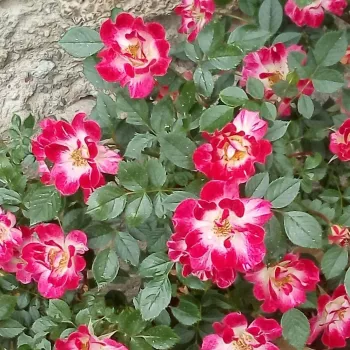
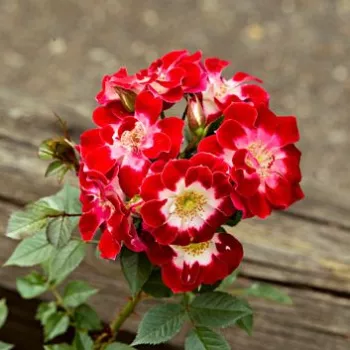
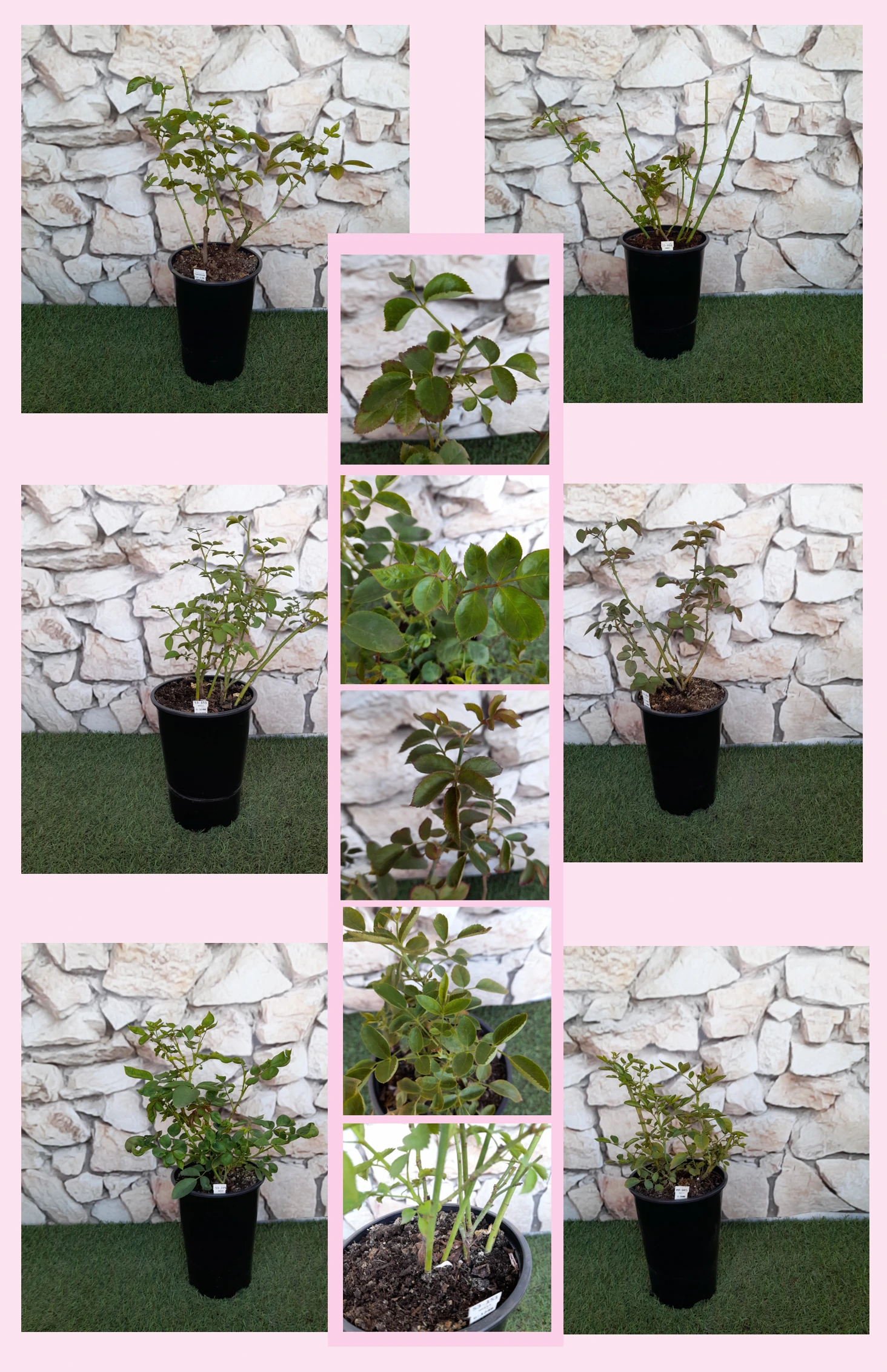
If you dream of a front garden that looks freshly brushed after every shower, Little Artist brings a cheerful ribbon of colour right beside the path, even when soft rain and sea air drift in from the Atlantic and summers feel short and cool. This dwarf, bushy mini rose is naturally well-shaped, staying compact and low, so you can enjoy tidy edging and pretty pots without constant clipping. Once settled, own-root plants grow steadily year after year, giving reassuring longevity and easy maintenance with only light pruning and occasional plant protection. In its first season it concentrates on roots, in the second on stronger shoots and branching, and by the third year it reveals its full cottage-garden character, with star-shaped, hand-painted blossoms lighting up even the smallest Dublin terrace or rural doorway.
Usage options
| Target area |
Reasoning |
| Front-of-border edging in small family gardens |
The naturally bushy, spreading habit to 30–40 cm tall and 70–90 cm wide creates a continuous low ribbon of colour without needing elaborate shaping. Ideal where you want a neat, cheerful edge along paths or lawns, especially for beginners. |
| Containers on terraces, balconies, and small patios |
Its dwarf size and dense foliage suit large containers, where the red-and-white flowers can be enjoyed up close. In Ireland’s wet spells, use a 40–50 litre pot with good drainage so the roots stay healthy and stable, perfect for the urban gardener. |
| Child-friendly “girly” cottage-garden corners |
The playful, star-shaped blooms look hand-painted, making a charming feature beside low perennials and cottage-style paths. The soft, apple-like scent is subtle rather than overpowering, suiting relaxed family spaces for children. |
| Low, informal mini hedge along front walls or railings |
Regular, spreading growth and medium self-cleaning allow you to form a short hedge without constant deadheading. Spacing at about 50 cm gives a soft but connected line of colour that frames entrances beautifully for homeowners. |
| Low-maintenance mixed beds with modest chemical use |
Moderate disease resistance and average maintenance needs suit gardeners aiming to limit spraying while still accepting occasional protection in damp, fungal-prone seasons. Works well in realistic Irish conditions for eco-conscious buyers. |
| Long-season colour focus near seating and doors |
Remontant flowering with a plentiful second flush keeps the little bicolour stars appearing across the summer, even when Irish sunshine is in short supply, extending interest near frequently used spaces for busy people. |
| Own-root planting for long-term structure in small plots |
Being grown on its own roots means the plant regenerates well from the base, stays true to type, and offers a long functional life with stable shape, a reassuring choice where every plant must earn its place for planners. |
| Light, low-flower wildlife corners with groundcovers |
Although only partially attractive to pollinators, its modest hips and open clusters combine well with groundcovers like Pachysandra and bellflowers to soften edges and provide understated seasonal interest for nature-lovers. |
Styling ideas
- Cottage-border ribbon – Plant Little Artist in a curving line with Campanula portenschlagiana spilling at its feet for a storybook path edge – ideal for romantic cottage-garden fans.
- Terrace showcase pot – Use a single plant in a 40–50 litre terracotta container, underplanted with trailing thyme, to enjoy its hand-painted blooms at eye level – perfect for balcony and patio dwellers.
- Front-wall mini hedge – Repeat plants at 50 cm intervals along a low wall, weaving in low groundcovers like Herniaria glabra to soften gaps – suited to neat but informal front-garden keepers.
- Girly garden corner – Combine with soft pinks, whites, and airy grasses to create a playful, “girly” nook where the red-and-white stars pop without overpowering – great for families with young children.
- Low-care mixed bed – Mix Little Artist with Japanese spurge and small perennials in a sunny bed, letting its spreading habit fill foreground spaces with minimal pruning – attractive for time-poor hobby gardeners.
Technical cultivar profile
| Property |
Data |
| Name and registration |
Miniature rose, registered as MACmanly, marketed as Little Artist in the Hand Painted Roses collection; exhibition miniature with dwarf habit, commercial group Rósra mion - abhac. |
| Origin and breeding |
Bred by Samuel Darragh McGredy IV from ‘Ko’s Yellow’ × ‘Eyepaint’; introduced after 1987 by McGredy Roses International, with ARS registration recorded in 1987. |
| Growth and structural characteristics |
Compact, bushy, spreading plant around 30–40 cm tall and 70–90 cm wide, with dense, slightly glossy mid-green foliage and moderate prickles on the shoots. |
| Flower morphology |
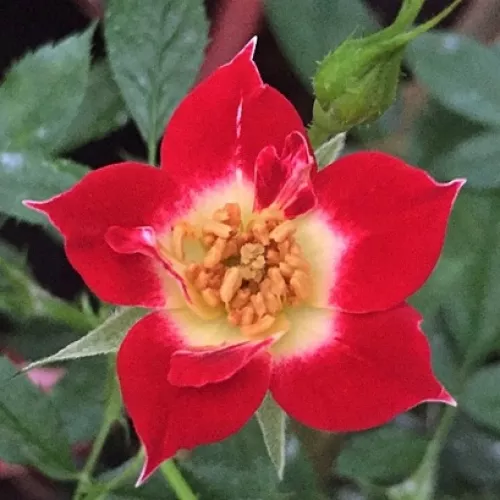
Semi-double, flat star-shaped blooms, 1–4 cm across, borne in clusters; around 13–25 petals per flower, with moderate self-cleaning so some deadheading is beneficial. |
| Colour data and phenology |
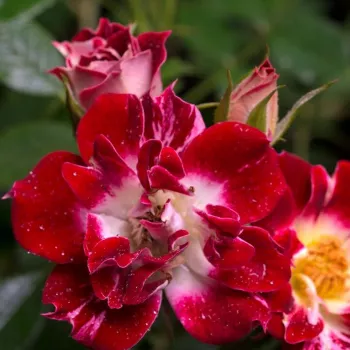
Deep red buds open to vibrant red outer petals and white centres; red edges fade toward raspberry while the centre stays cream-white; ARS colour code rb, RHS 53A outer and NN155C inner. |
| Fragrance and aroma |
Very light, fresh fragrance with a faint apple-like character, noticeable mainly at close range; not intended primarily as a strong scent variety in the garden. |
| Hip characteristics |
Occasionally sets small ellipsoidal hips about 5–7 mm in diameter, ripening to an orange-red colour; hip production is generally modest and not the main ornamental feature. |
| Resistance and winter hardiness |
Hardy to about −21 to −18 °C (USDA 6b, RHS H7); moderate tolerance to heat and drought with watering in dry spells; disease resistance moderate, with rust showing good resistance. |
| Horticultural recommendations |
Best in sunny positions for abundant flowering; suited to beds, edging, containers, balconies and terraces; recommended spacing 55 cm in masses, 50 cm for hedges, 90 cm as a specimen. |
Little Artist offers compact, long-season colour in small spaces, forms a durable own-root structure, and keeps maintenance realistic for Irish gardens, making it a thoughtful choice for relaxed, decorative planting.