LIPPAY JÁNOS – dark pink bedding polyantha rose - Márk
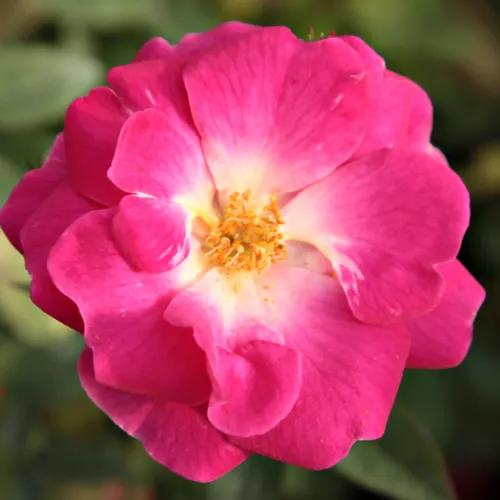
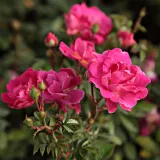
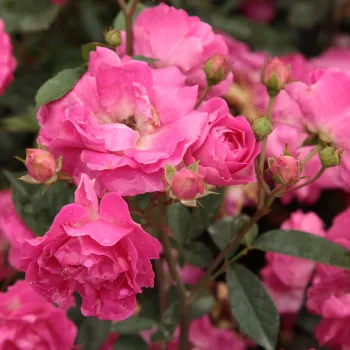
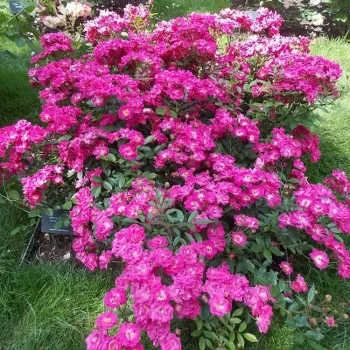
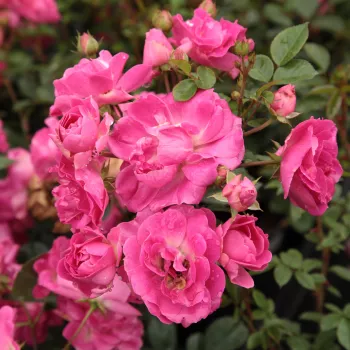
In a small Irish front garden or cottage border, colour and cheerful impact matter more than fuss, and LIPPAY JÁNOS delivers with clusters of vivid, dark pink blooms glowing above glossy foliage even when summers are brief and rainfall is frequent with soft, green light after showers. Its semi-double flowers open wide to show bright yellow stamens, lending natural charm that feels both romantic and easy-going, with moderate interest for visiting bees. This compact polyantha is well suited to edging paths or filling narrow beds, giving a continuous show from early summer with strong repeat flowering. Planted on its own roots, it offers reassuring longevity and the ability to regenerate if cut back hard, with a natural progression from settling roots in the first year, building bushy growth in the second, and reaching full ornamental effect by the third, creating an enduring sense of contentment and low-key maintenance in everyday family gardens.
Usage options
| Target area | Reasoning |
|---|
| Front-garden edging in terraced streets |
The compact, upright habit and 40–55 cm spread make it ideal for defining small front beds without overwhelming the space, while its dark pink clusters create a welcoming, “girly” cottage feel along the pavement edge for the casual city gardener who enjoys colour. |
| Low cottage-garden bedding |
Repeated flushes of semi-double blooms provide a long display through our short Irish summer, fitting beautifully among perennials such as yarrow and dwarf deutzia, with its own-root vigour supporting an enduring planting for homeowners seeking continuity. |
| Family paths and play-area borders |
The rounded, moderately thorny shrubs form a neat, flower-packed line along paths or lawn edges, giving plenty of visual interest without becoming tall or leggy, suiting families who like reliable structure but simple care routines as relaxed gardeners. |
| Urban rose beds with tough conditions |
Good heat and drought tolerance mean this variety copes well with warm, drying spots beside walls or drives, so once established it bounces back quickly after dry spells, pleasing busy urban owners who need resilience more than pampering as practical users. |
| Informal low rose hedging |
Planted at 25–30 cm spacings, the plants knit into a colourful, shoulder-height band of foliage and bloom, softly screening bins or low fencing while remaining easy to prune back hard when needed, appreciated by those seeking flexible, easy-going screening. |
| Pollinator-friendly mixed borders |
The semi-double flowers open to show yellow stamens, offering moderate appeal for bees when combined with pollinator magnets like yarrow, extending the foraging season in small gardens for nature-minded households who enjoy gentle insect activity as thoughtful hosts. |
| Small groups in public or shared spaces |
Repeat flowering and good colour retention give a long, showy season in communal beds, and own-root planting supports a durable stand that regenerates well after renovation pruning over the years, suiting residents who value long-term, low-disruption planting. |
| Containers and large pots on patios |
In substantial containers of at least 40–50 litres with free-draining compost, the compact growth and abundant clusters deliver high impact close to seating areas, even where summers are cool, damp and breezy with soft, green light after showers, suiting balcony and patio owners. |
Styling ideas
- Cottage-Curve Border – sweep LIPPAY JÁNOS along a curved path with yarrow hybrids and dwarf deutzia for a relaxed, rosy ribbon in pinks and creams – ideal for homeowners wanting a soft, romantic walkway.
- Terraced-Front Ribbon – repeat three-plant groups beneath windows, interplanted with low grasses, to create a tidy yet feminine edge that looks cared-for without constant work – perfect for busy city dwellers.
- Pink-White Contrast – pair its vivid dark-pink clusters with white deutzia and pale paving to make the colour pop on dull days – suited to those who like bright cheer in small spaces.
- Play-Friendly Border – position a low row beside lawns, backed by tougher shrubs like Japanese barberry, for long-season colour that frames family play areas – good for families wanting pretty but robust planting.
- Pot-Pairing Patio – plant in large 40–50 litre tubs with trailing herbs beneath to soften the rim and bring bloom clusters up to eye level – ideal for renters or balcony gardeners who value movable structure.
Technical cultivar profile
| Characteristic | Data |
|---|
| Name and registration |
Polyantha bedding rose, trade name Lippay János Bedding rose Márk, part of the bedding rose collection, standard garden merit, intended for decorative use in beds and edging. |
| Origin and breeding |
Bred in Hungary by Márk Gergely from ‘Minililla’ × ‘Titanilla’; breeding and registration year 2002, internationally introduced by PharmaRosa Ltd. in 2005 for wider European garden use. |
| Awards and recognition |
Recognised in international trials with Bronze Medal at Rome International New Rose Competition 2005 and Bronze Medal at Bundesgartenschau Gera-Ronneburg 2007, confirming its ornamental garden value. |
| Growth and structural characteristics |
Compact, upright shrub 45–65 cm tall, spreading 40–55 cm, with moderately dense, glossy dark-green foliage and moderate prickliness; suitable for edging, low hedging and mass bed plantings in small gardens. |
| Flower morphology |
Semi-double, cup-shaped clusters with 13–25 petals, small flower size 1–4 cm; forms generous trusses with a strong repeat-flowering habit, giving an abundant second flush after the main early-summer display. |
| Colour data and phenology |
Dark-pink blooms with pale whitish centre and yellow stamens; ARS code DR, RHS 53A outer and 60A inner; colour fades only slightly to a softer mauve-pink as flowers age, maintaining good visual strength in beds. |
| Fragrance and aroma |
No noticeable fragrance, fragrance strength rated scentless; chosen primarily for strong colour effect, dense trusses and decorative value in bedding schemes rather than for scented garden or cut-flower use. |
| Hip characteristics |
Moderate production of small, bright-red spherical hips 6–9 mm in diameter, adding a subtle seasonal accent in late season but usually secondary to the long-flowering ornamental display. |
| Resistance and winter hardiness |
Hardy to around –21 to –18 °C (USDA 6b, RHS H7); drought and heat tolerant once established but with medium susceptibility to powdery mildew and black spot and high sensitivity to rust in humid seasons. |
| Horticultural recommendations |
Best in sunny, well-drained soil; allow 25–50 cm spacing depending on use; maintain good air flow and regular protective sprays in damp climates; suitable for beds, edging, parks and urban green spaces. |
LIPPAY JÁNOS offers vivid dark-pink clusters, repeat flowering and compact form on its own roots for lasting structure, making it a thoughtful choice for small Irish gardens where you prefer reliable colour to demanding care.