LILLI MARLEEN® – deep-red bedding floribunda rose - Kordes
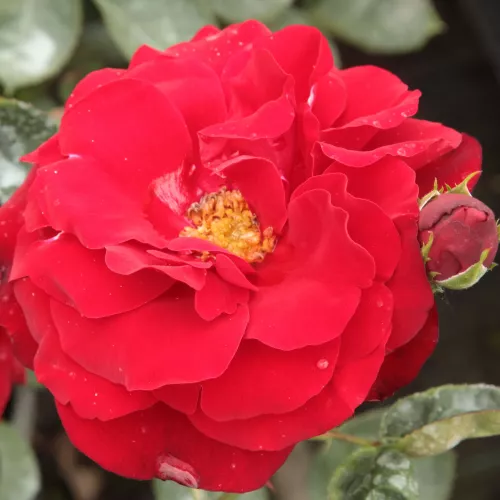
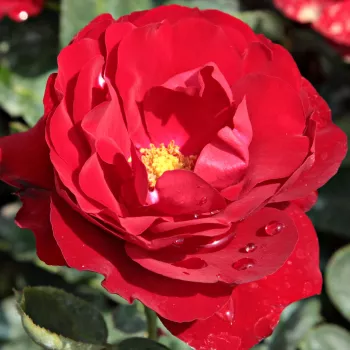
Step out to meet raindrops and you will notice how LILLI MARLEEN® brings a feeling of quiet cheerfulness to even the smallest Irish front garden, its velvety deep-red clusters glowing in the soft light of overcast days and bright evenings alike. Bred for exceptional disease resistance, this classic Kordes floribunda keeps its glossy foliage clean and handsome with hardly any effort, even when Irish summers are cool and damp with lingering humidity and frequent showers. The semi-double, easily accessible blooms have a gently spicy fragrance that encourages you to pause on the path, while also offering pollen to visiting bees. As an own-root shrub, it establishes steady longevity in your beds, building roots in year one, stronger shoots in year two, and full ornamental value by year three, giving you an enduring, low-fuss companion for cottage-style borders and tidy terrace-front displays.
Usage options
| Target area |
Reasoning |
| Small cottage-style front garden border |
The compact, bushy habit (around 60–80 cm high) makes this rose ideal for a neat front border where space is limited but colour is important. Deep-red clusters provide structure and romance without dominating the view, suiting cottage-style homes and Dublin terraces alike – perfect for the busy urban front-garden owner. |
| Low-maintenance family flower bed |
Exceptional resistance to black spot, mildew and rust means fewer sprays and less worry in typical Irish rain and humidity, so you can enjoy healthy, glossy foliage with minimal intervention. Light deadheading keeps the flower clusters coming, but the plant remains forgiving if life gets busy – ideal for time-poor beginners. |
| Long-flowering mixed perennial border |
Remontant flowering brings an early flush followed by abundant repeat blooms, extending the deep-red display through much of the short Irish summer. The semi-double flowers sit well among perennials, offering reliable colour bridges between their peak moments – a good choice for gardeners wanting steady, season-long interest. |
| Pollinator-friendly planting strip by a path |
Semi-double, cup-shaped blooms with accessible stamens provide useful pollen, drawing in bees and other visitors while still giving a classic floribunda look. The light, spicy scent adds subtle atmosphere along a path or driveway, inviting short, mindful pauses outdoors – especially appreciated by nature-oriented, fragrance-loving buyers. |
| Informal low hedge or boundary line |
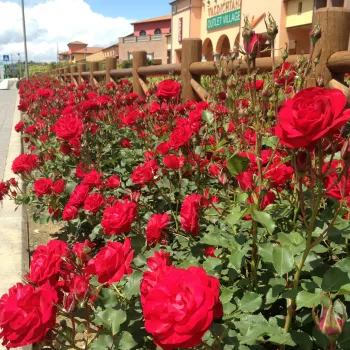
Regular spacing at about 35–40 cm allows plants to knit into a low, flowering hedge, giving gentle structure without feeling rigid. The dark green, glossy foliage makes an attractive backdrop even between flushes, helpful for softening fences or separating play areas – ideal for young families shaping a small garden. |
| Large patio container (40–50 litre minimum) |
In a generous 40–50 litre pot with good drainage, this own-root rose performs well on patios or balconies, where watering and feeding are easy to manage. The contained root system helps keep the plant tidy, while the vivid flower clusters brighten paving and gravel – a practical option for compact urban outdoor spaces. |
| Irish clay soil beds with improved drainage |
Once planted into clay that has been opened with grit or organic matter, this robust shrub develops a resilient root system that copes well with seasonal wet, provided water does not sit around the crown. Its steady build-up over several years rewards simple, thoughtful soil preparation – particularly suitable for cautious first-time planters. |
| Long-term, own-root family garden feature |
Being grown on its own roots, the shrub regenerates well after hard pruning or winter damage, without the worry of rootstock shoots taking over. This supports a long lifespan and stable appearance, so the rose can mature gracefully alongside the garden itself – reassuring for homeowners planning a durable, low-fuss planting. |
Styling ideas
- Cottage-Romantic Border – Combine with Salvia nemorosa and old-fashioned foxgloves for a soft, slightly wild look along a cottage path – best for nature-loving households wanting relaxed charm.
- Terraced-City Entrance – Plant in a straight line under a front window, edged with low lavender, to give a tidy yet welcoming deep-red accent – ideal for Dublin terrace owners seeking impact in little space.
- pollinator-Pathway Mix – Alternate plants of this rose with airy Knautia macedonica ‘Red Knight’ beside a garden path, encouraging bees while keeping colour consistent – suited to gardeners keen on wildlife-friendly structure.
- Evergreen-Backdrop Bed – Set the rose in front of dark evergreen shrubs, letting its glossy foliage and long-lasting red blooms stand out through the season – perfect for those wanting a strong focal point with little maintenance.
- Large-Pot Glow – Grow one or three plants in a 40–50 litre terracotta container with trailing thyme at the rim, so the deep-red clusters ‘float’ above soft green – a good choice for balcony or patio gardeners.
Technical cultivar profile
| Parameter |
Data |
| Name and registration |
Floribunda bedding rose, registered as KORlima, traded as LILLI MARLEEN®; shrub rose type; collection: Bedding rose; ARS exhibition name Lilli Marleen; own-root, consumer-grade garden form. |
| Origin and breeding |
Bred by Reimer Kordes, W. Kordes’ Söhne, Germany, from ('Our Princess' × 'Rudolph Timm') × 'Ama'; introduced 1959 and widely proven in European gardens since. |
| Awards and recognition |
RNS Gold 1959, ADR certification 1960, and Golden Rose of The Hague 1966, confirming enduring ornamental quality and robust garden performance under independent trial conditions. |
| Growth and structural characteristics |
Bushy, upright shrub reaching about 60–80 cm high and 50–70 cm spread, with dense, dark green, glossy foliage and moderate prickliness; suitable for beds, borders, low hedging and containers. |
| Flower morphology |
Semi-double, cup-shaped, medium clusters, 4–7 cm across with 13–25 petals; floribunda habit with repeated flushes and an abundant second flowering; deadheading improves continuity of bloom. |
| Colour data and phenology |
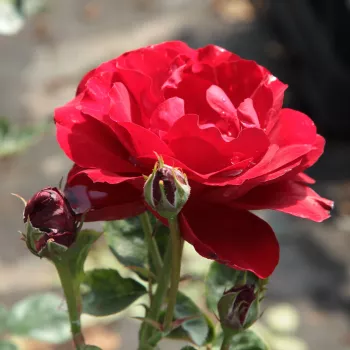
Velvety, uniform deep-red flowers, ARS mr; RHS 46A outer and 46B inner petals; colour holds well in sun, with only slight fading; buds blackish-maroon, ageing gracefully through the flowering period. |
| Fragrance and aroma |
Light but noticeable spicy fragrance, especially in still, mild weather; sufficient to add atmospheric scent near paths or seating without dominating mixed plantings or smaller enclosed spaces. |
| Hip characteristics |
Occasional small ellipsoid hips, about 8–12 mm, bright red (RHS 46A); generally incidental to display but can add modest late-season interest when blooms are not fully deadheaded. |
| Resistance and winter hardiness |
Very good resistance to powdery mildew, black spot and rust; hardy to about -21 to -18 °C (H7, USDA 6b, Swedish zone 3), with reliable performance in cool, damp Northern European climates. |
| Horticultural recommendations |
Suited to beds, borders, parks and large containers; plant 35–65 cm apart depending on use; prefers fertile, well-drained soil with improved clay; partial shade tolerant; low ongoing maintenance needs. |
LILLI MARLEEN® offers disease-resistant, long-flowering deep-red clusters on a durable own-root shrub that settles in for years of easy enjoyment, making it a thoughtful choice for Irish family gardens and compact urban spaces.