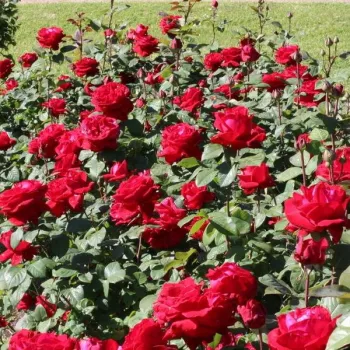
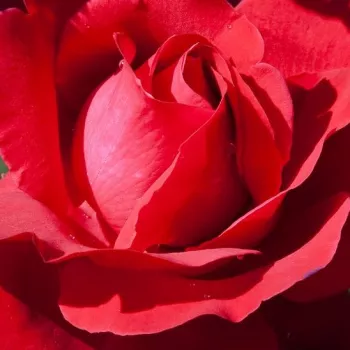
LIEBESZAUBER 91® – dark red hybrid tea rose – Kordes
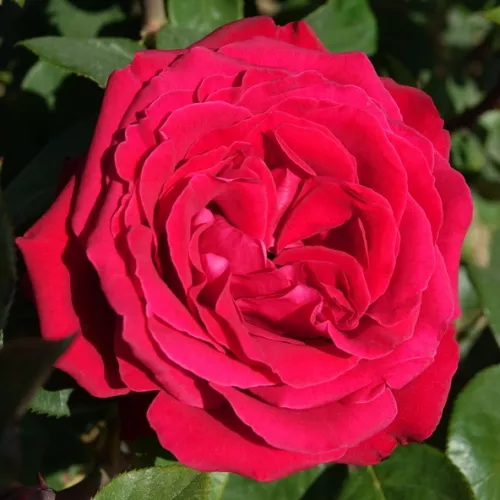
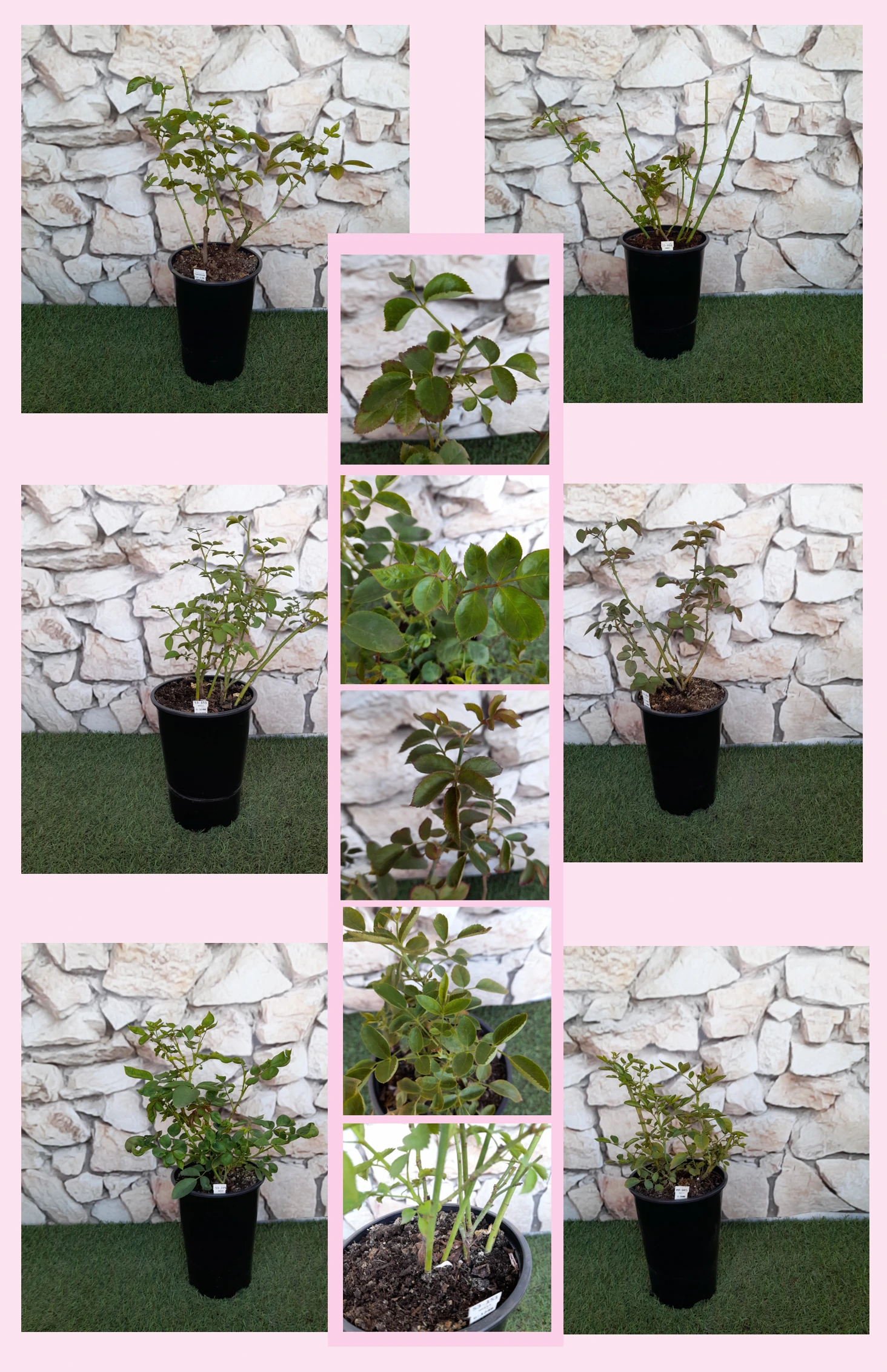
Bring a touch of romantic cottage charm to your front garden with LIEBESZAUBER 91®, a velvety dark-red hybrid tea bred for long-lasting beauty and classic high-centred blooms. Its strong, old-fashioned rose fragrance is perfect for evening strolls after work, even when the weather has been wet and cool with plenty of rainfall through the Irish summer. The upright, well-branched structure and glossy foliage make it an elegant feature rose in small to medium gardens, while its remontant flowering supplies armfuls of cut-flowers for the house. As an own-root plant, it builds itself up steadily – first investing in roots, then strong shoots, and finally full garden presence over the first three years.
Usage options
| Target area |
Reasoning |
| Front garden focal point |
Planted as a single specimen by a path or doorway, the tall, upright habit and velvety dark-red flowers quickly read as a deliberate focal point, even in smaller Dublin terraces. Over time the own-root structure supports a long-lived, reliable presence for beginners. |
| Cottage-style mixed border |
In a loose border with perennials, the generous repeat flowering brings classic hybrid tea form without demanding expert pruning. Moderate disease resistance copes well when combined with good air flow and mulch, suiting relaxed hobby-gardeners. |
| Cutting patch for scented stems |
The large, high-centred blooms on sturdy, straight stems are ideal for vases and gifts. Strong, traditional rose fragrance fills the house, encouraging regular cutting which in turn stimulates further flowering for fragrance-lovers. |
| Feature rose in heavy Irish clay |
Given a small mound of improved soil and surface mulch, this variety settles steadily into heavier ground, coping with a typical Irish garden where damp weather and cool summers are the norm, time-pressed homeowners. |
| Low, romantic hedge |
Planted at the recommended hedge spacing, plants knit into a low, rose hedge with repeating flushes of dark-red flowers. Own-root hedging responds well to rejuvenation pruning over the years, rewarding patient gardeners. |
| Large container on sunny patio |
In a 40–50 litre pot with free-draining compost, LIEBESZAUBER 91® offers an elegant, upright presence and perfumed blooms right beside your seating area, requiring only regular watering and light deadheading from busy urbanites. |
| Future-proof “keystone” rose |
The sturdy framework, good colour retention and own-root resilience make it a dependable anchor plant around which you can change underplanting over the years without losing the rose’s effect, ideal for evolving families. |
| Showbench and exhibition use |
Originally bred as a hybrid tea suitable for exhibition, it offers well-formed, high-centred blooms in strong colours, making it a rewarding subject for those who enjoy entering local shows and learning show preparation as enthusiasts. |
Styling ideas
- Cottage-Romance – Combine with white foxgloves and airy grasses to soften the dark-red blooms into a storybook cottage scene – ideal for nostalgic front-garden owners.
- City-Classic – Plant three in a loose triangle with low box or dwarf lavender edging for a neat, formal look that still feels soft – suited to tidy-minded urban dwellers.
- Velvet-Contrast – Pair with silver foliage such as Artemisia ‘Nana’ and pale pink perennials to highlight the velvety wine-red tones – perfect for colour-conscious designers.
- Patio-Perfume – Grow one plant in a large terracotta pot near a bench so evening fragrance and elegant buds can be enjoyed up close – great for small-space balcony and patio users.
- Cutting-Corner – Dedicate a sunny bed with a short row of LIEBESZAUBER 91® backed by tall Liatris ‘Alba’ to provide a steady supply of vase-ready stems – made for home floristry fans.
Technical cultivar profile
| Property |
Data |
| Name and registration |
Hybrid tea rose, registered as KORmiach, marketed as LIEBESZAUBER 91® – dark red hybrid tea rose – Kordes; ARS exhibition name Liebeszauber; commercial group Rós taehibride. |
| Origin and breeding |
Bred by Reimer Kordes at W. Kordes’ Söhne, Germany, from unknown seedling × ‘Pink Panther’; introduced and registered in 1991 by W. Kordes’ Söhne. |
| Awards and recognition |
Fragrance Award at The Hague in 1994, recognising the strength and quality of its classic rose scent and confirming its suitability as a perfumed garden and cutting variety. |
| Growth and structural characteristics |
Upright habit, 100–140 cm high and 70–110 cm spread, with dense, glossy dark green foliage and moderate prickliness; weak self-cleaning, so spent blooms benefit from regular deadheading. |
| Flower morphology |
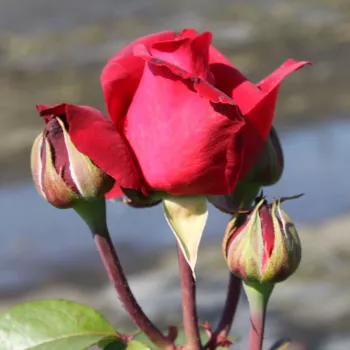
Large, 7–10 cm, very double, high-centred blooms borne mainly singly; more than 40 petals per flower; strongly remontant with generous second flush, classic hybrid tea cut-flower form. |
| Colour data and phenology |
Deep velvety dark red, ARS dr, RHS 53A outer, 53B inner; ruby to wine-red tones, slightly lighter in strong sun, richer in cool weather; colour retention good with gradual, dignified fading. |
| Fragrance and aroma |
Strong, rich, classic rose fragrance, especially noticeable in still, mild conditions; ideal for scented borders and cut flowers, with a traditional “rose oil” style character rather than citrus or spice. |
| Hip characteristics |
Hip set generally limited by very double flowers; when present, small spherical hips around 8–12 mm, orange-red in colour, adding a discreet seasonal accent in late season. |
| Resistance and winter hardiness |
Hardy to about –18 to –21 °C (RHS H7, Swedish zone 3, USDA 6b); moderate resistance to black spot, mildew and rust; benefits from good air circulation and regular, not excessive, feeding. |
| Horticultural recommendations |
Best in full sun with fertile, well-drained soil; water in dry spells and deadhead to encourage repeats; spacing: 65 cm mass, 55 cm hedge, 100 cm specimen; prefers open sites rather than deep shade. |
LIEBESZAUBER 91® offers velvety dark-red blooms, a strong classic fragrance and elegant cutting quality on a resilient own-root plant, making it a thoughtful choice for long-term enjoyment in your garden.