LÉONIE LAMESCH – orange-yellow flower-bed polyantha rose - Lambert
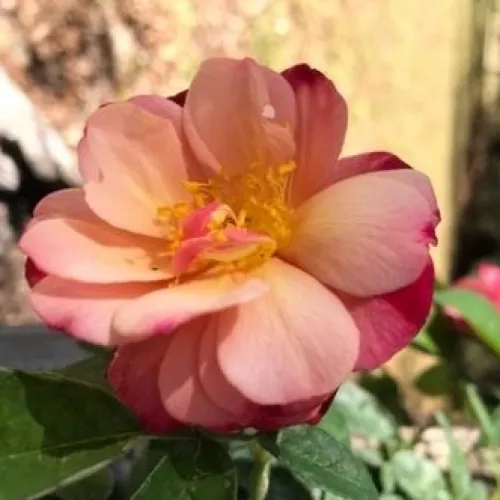
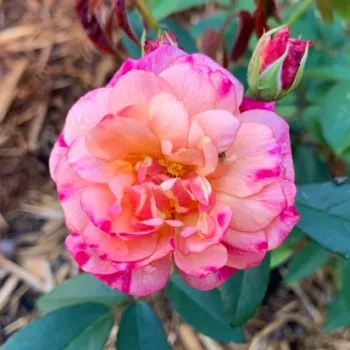
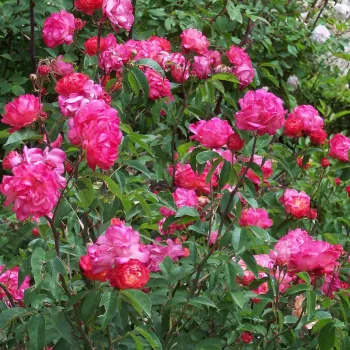
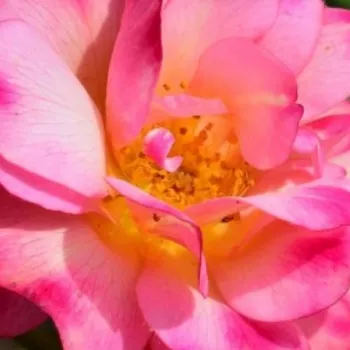
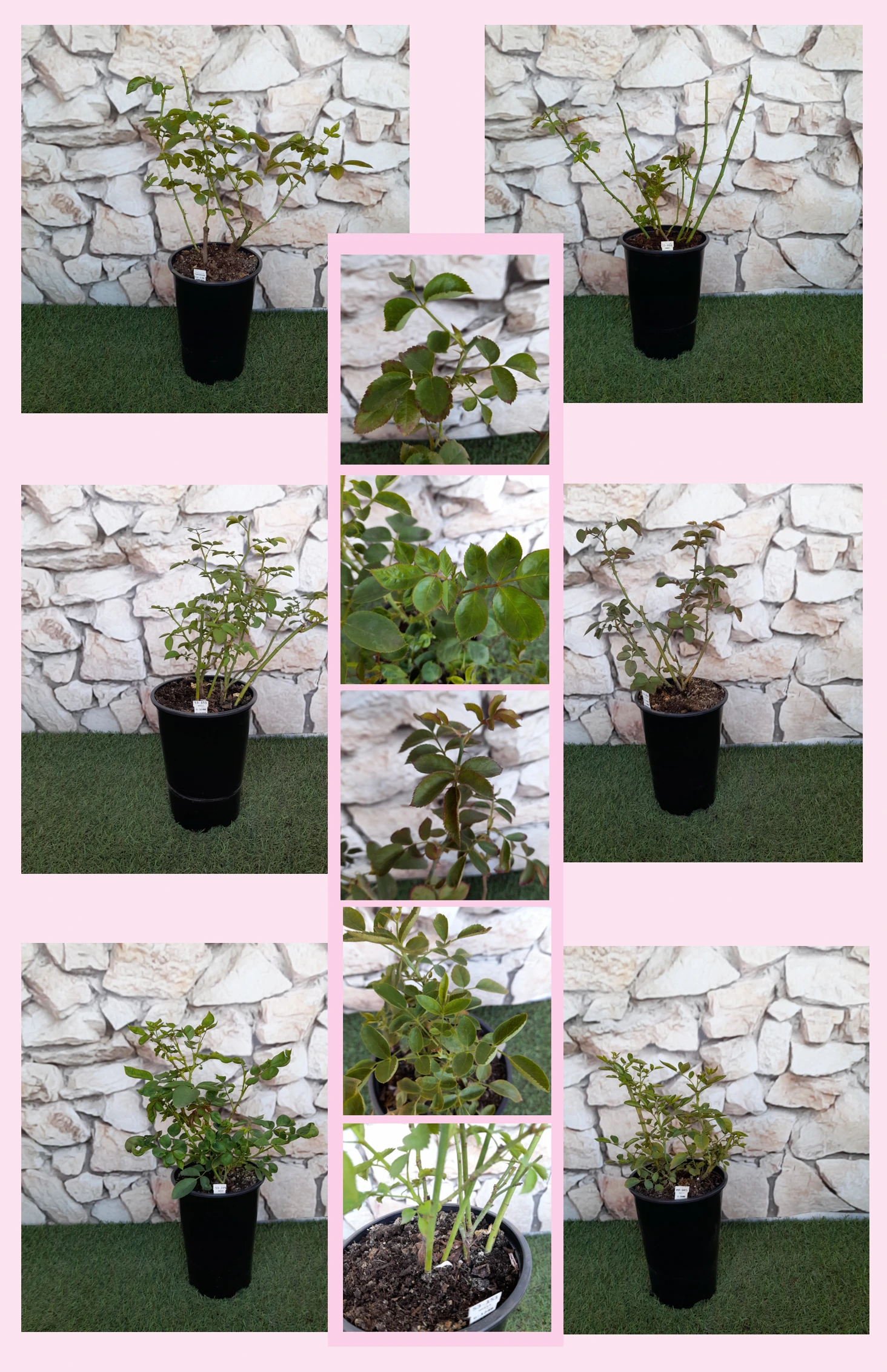
Step out to a soft shower and meet cheerful little clusters of copper-orange blooms on LÉONIE LAMESCH, lighting up even grey Irish days with playful colour that slowly blushes to creamy yellow. This compact shrub rose is naturally tidy and bushy, sprinkling flowers over a long season, while its semi-double, medium-scented blooms bring a gently spicy, fruity perfume to your cottage path or terraced front garden. Grown on its own roots for a lasting presence, it builds up quietly below ground, then above ground, then into its full garden charm over three seasons, giving you a reliable, low-fuss companion that copes well with Ireland’s damp, fungus-prone summers and breezy Atlantic showers.
Usage options
| Target area |
Reasoning |
| Front cottage border by the path |
The compact, bushy habit and 80–120 cm height make it ideal for lining a small path without overwhelming it. Repeating clusters of copper-orange to creamy-yellow flowers keep the border looking lively with modest care, suiting casual cottage-style gardeners and beginners. |
| Dublin terraced-house front garden |
This polyantha bedding rose offers abundant colour in a tight footprint, perfect where every square metre counts. Its moderate maintenance needs mean occasional tidying and disease checks rather than constant work, which fits a busy city lifestyle and urbanites. |
| Mixed perennial bed in a family garden |
Medium height, semi-double flowers and mid-green foliage blend easily with perennials, giving structure without blocking views. The long flowering period provides continuity between earlier and later perennials, making it a dependable choice for relaxed family-garden homeowners. |
| Low, informal flowering hedge |
The spreading habit (up to 140 cm) and good repeat flowering allow a softly billowing, low hedge along drives or boundaries. Its moderate thorniness makes it easier to manage than many roses, appealing to those who want gentle structure without difficult pruning, especially novices. |
| Feature planting in a small lawn island |
When used as a specimen with wider spacing, it forms a rounded, upright shrub that looks full from several angles. The changing flower tones add interest through the season with only periodic deadheading and feeding, an inviting option for relaxed but style-conscious gardeners. |
| Large container on a sunny patio |
Its moderate height and bushy habit work well in a 40–50 litre container, where roots have room to develop. Regular watering and feeding are straightforward tasks, and the changing flower colours show beautifully near seating areas, ideal for scent-loving patio owners. |
| Traditional rose bed or park-style planting |
Classic polyantha character with repeated flushes of bloom suits formal or semi-formal rose beds. Own-root growth gives long-term stability and easier renewal of flowering wood over time, supporting low-input, long-lived plantings valued by detail-oriented private collectors. |
| Informal, nature-friendly corner with grasses |
Its semi-double flowers offer limited but useful nectar, while hips add autumn interest; planted with airy grasses it copes well with moist, fungus-prone Irish summers that can challenge fussier roses, suiting nature-aware, low-intervention gardeners. |
Styling ideas
- Cottage-ribbon – Edge a front path with Léonie Lamesch in a loose line, weaving between lavender and feverfew for a soft, storybook cottage look – perfect for romantic, time-pressed homeowners.
- Sunset-border – Combine its orange-yellow clusters with Rudbeckia and warm-toned daylilies in a narrow border to echo evening light – ideal for families who want cheerful colour with simple upkeep.
- Patio-jewel – Plant one shrub in a 50 litre terracotta pot with trailing thyme at the rim for scent and texture – suited to balcony and patio users seeking easy seasonal interest.
- Parklet-hedge – Use a loose row at 1 m spacing along a driveway, underplant with low grasses for movement and all-season structure – good for suburban gardeners wanting gentle formality.
- Gravel-glow – Set groups of three in a gravel strip with feather reed grass and small alliums for a low-maintenance, sun-catching combination – ideal for busy owners favouring a modern, naturalistic feel.
Technical cultivar profile
| Feature |
Data |
| Name and registration |
LÉONIE LAMESCH is a shrub, polyantha bedding rose from the Rósra bhláthchlóis group, used as a shrub rose in exhibitions; an unregistered historical variety with no separate registered cultivar name. |
| Origin and breeding |
Bred by Peter Lambert of Lambert & Söhne, Trier, Germany, from ‘Aglaia’ × (‘Mignonette’ × ‘Shirley Hibberd’); introduced by Lambert & Söhne in 1899 and classified as a classic polyantha shrub. |
| Growth and structural characteristics |
Bushy, upright shrub rose 80–120 cm tall with a 100–140 cm spread, moderately dense, slightly glossy mid-green foliage (RHS 137A) and sparse prickles, forming a rounded, well-filled garden shrub over time. |
| Flower morphology |
Semi-double, cup-shaped blooms with 13–25 petals, borne in multi-flowered clusters on short stems; small flowers, 1–4 cm across, with remontant behaviour and a notably abundant second flush in suitable conditions. |
| Colour data and phenology |
Fresh buds are deep orange-copper; newly open flowers copper-orange with golden-yellow centres and carmine-red edges, coded RHS 24B outer and 14B inner, gradually fading to creamy yellow with a light purplish veil. |
| Fragrance and aroma |
Medium-strength scent with a pleasantly spicy, fruity character noticeable at close range, giving a classic rose aroma that enriches seating areas and paths without becoming overpowering in smaller family gardens. |
| Hip characteristics |
Sparse rose-hip set, with occasional small, spherical orange-red hips 5–8 mm in diameter, adding discreet late-season interest without significantly affecting flowering or creating excessive self-seeding in the garden. |
| Resistance and winter hardiness |
Hardy to about −21 to −18 °C (RHS H7; USDA 6b, Swedish zone 3) with moderate resistance to black spot, powdery mildew and rust; benefits from good air circulation, drainage and basic preventive care. |
| Horticultural recommendations |
Best in sunny sites with fertile, well-drained, heavier soils; recommended for beds, borders, parks and large containers, planted at 0.8–1 plants/m² or 1 m apart for hedging, with occasional pruning and disease checks. |
LÉONIE LAMESCH rewards you with long-season, colour-changing clusters, a softly spicy fragrance and a stable, own-root shrub that settles in for years of easy enjoyment; consider it if you want a graceful yet undemanding garden rose.