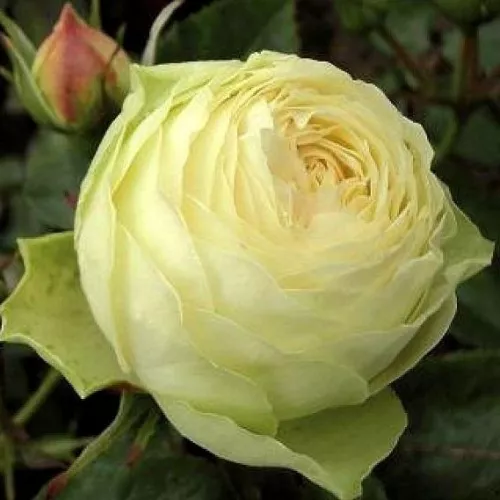
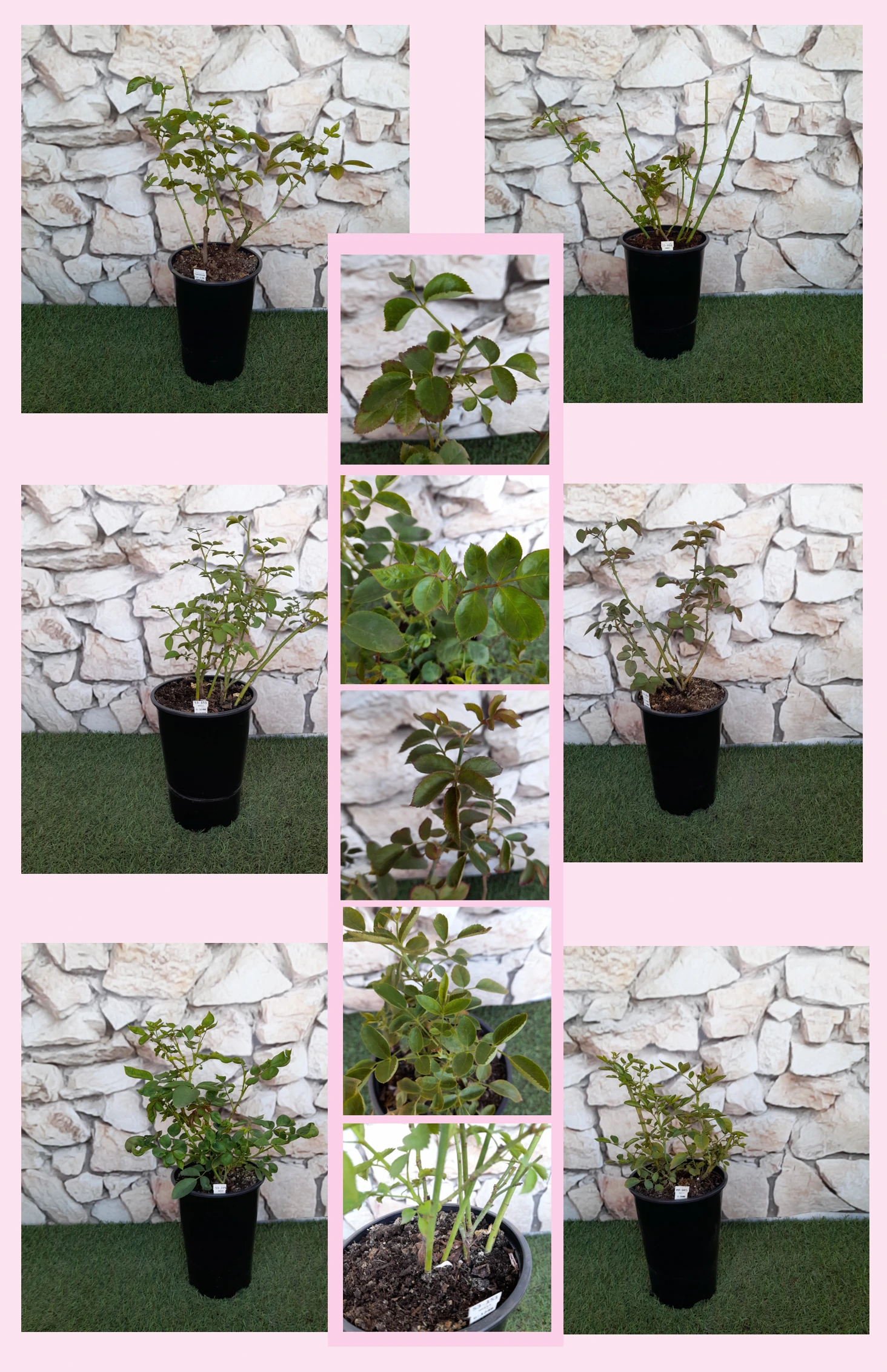
TATTON – orange bedding floribunda rose – Fryer
Step out to soft Irish light and discover Tatton’s cheerful orange blooms, lighting up small cottage borders and city-front beds with a richly fruity scent that feels like a short stroll under raindrops. This bushy floribunda is naturally compact, ideal where space is tight, yet generous with repeat clusters of large, cup-shaped flowers that keep returning through our short summers, even when days are damp and cool. Own-root planting supports a long-lived, reliable shrub that can quietly regenerate after knocks and pruning, giving stable shape and colour year after year. In the ground it settles steadily – roots in the first season, stronger shoots the next, then full garden impact by the third – while in larger planters of at least 40–50 litres it becomes a vibrant, low-fuss feature by the front door, where its warm tones bring relaxed, everyday contentment.
Usage options
| Target area |
Reasoning |
| Sunny Irish cottage front border |
Tatton thrives in a bright, open bed, using its compact, bushy habit to fill modest spaces with well-shaped, medium-height growth that will not swamp paths or windows, suiting small family plots and low picket fences for the beginner. |
| Mixed cottage-style flower bed |
Planted among airy perennials, Tatton’s generous clusters of large, double blooms deliver a long, colourful season, with repeat flowering that keeps beds lively between showers and school runs, ideal for the relaxed gardener seeking colour without fuss for the homeowner. |
| Dublin terraced-house front garden |
Where ground space is limited, Tatton offers strong fragrance from a single shrub, its richly fruity scent greeting you at the gate and softening hard urban lines, making everyday comings and goings feel a touch more special for the city-dweller. |
| Large container near the front door |
In a 40–50 litre pot with good drainage, Tatton forms a tidy, easy-to-reach shrub whose own-root stability and steady three-year development arc reward minimal attention, a practical choice for those who water quickly between busy days for the commuter. |
| Colour accent in family play garden |
Tatton’s warm, burnt-orange tones with peachy edges create a lively focal point that pairs well with soft greens and silvers, giving cheerful, season-long colour that looks good from the kitchen window while children play nearby for the family. |
| Low informal hedge along a path |
Set at hedge spacing, Tatton forms a loosely linked row of bushy plants, their consistent height and dense foliage building a gentle division in the garden that remains attractive as it matures on its own roots, suiting those who prefer soft structure for the planner. |
| Feature rose with silvery companions |
Combined with low, silver-foliaged and airy white companions, Tatton’s orange cups stand out, while its partly accessible double blooms still offer some interest to passing insects, even in showery, wind-touched Irish weather for the nature-lover. |
| Cut flowers from the garden bed |
Clusters of large, cup-shaped blooms in shifting orange tones make attractive, fragrant cut stems; growing on its own roots supports long-term productivity, so you can pick a few stems without spoiling the display outdoors for the collector. |
Styling ideas
- Cottage-Ribbon – weave Tatton along a front border with lady’s mantle and catmint, letting its compact, bushy habit form a soft orange ribbon of colour – for cottage-style homeowners.
- Doorway-Glow – place Tatton in a large 40–50 litre terracotta pot by the door, where its strongly scented clusters greet visitors – for busy urban residents.
- Sunset-Drift – group three shrubs mid-border so repeat flowering creates a warm orange “sunset” patch that glows against dark green foliage – for relaxed family gardeners.
- Peach-Path – line a short path with Tatton at hedge spacing, its compact frame and fruity scent guiding the way without overwhelming narrow spaces – for small-garden planners.
- Silver-Companion – mix Tatton with low yarrow and dwarf silvermound to set its burnt-orange cups against soft silvers, highlighting the flower size and colour shifts – for design-conscious beginners.
Technical cultivar profile
| Characteristic |
Data |
| Name and registration |
Floribunda shrub registered as FRYentice, marketed as Tatton – National Trust Inspired Collection; orange bedding floribunda garden rose for beds, borders and cutting, approved exhibition name Tatton. |
| Origin and breeding |
Bred by Gareth Fryer at Fryer’s Nurseries Ltd., United Kingdom, around 1999; introduced by Fryer’s Roses in 2000 as part of the National Trust Inspired Collection, with parentage not publicly recorded. |
| Growth and structural characteristics |
Bushy, medium-height shrub rose typically 85–115 cm tall and 70–95 cm wide, with dense, dark green, slightly glossy foliage and moderate prickles; best effect in sunny, well-prepared beds or generous containers. |
| Flower morphology |
Large, 7–10 cm double, cup-shaped flowers carried in clusters, with 26–39 petals; remontant habit gives a strong main flush followed by plentiful repeat flowering, suitable both for garden display and informal cutting. |
| Colour data and phenology |
Buds open from dark orange-red to vivid mandarin-orange, later rich orange, then fade to salmon-orange with pale peach edges; overall deep burnt-orange impression with a subtle bronzy sheen and medium colour retention. |
| Fragrance and aroma |
Strongly scented floribunda with a pronounced, richly fruity fragrance character, noticeable at close range and around the plant in still air; suitable for fragrance-focused plantings near entrances, paths and seating. |
| Hip characteristics |
Occasional spherical hips, about 8–12 mm across, orange-red (RHS 40A); decorative in a modest way and usually left on the plant over autumn for seasonal interest rather than for harvesting or wildlife value. |
| Resistance and winter hardiness |
Fully hardy to approximately −21 to −18 °C (H7, USDA 6b, Swedish zone 3) but very susceptible to black spot, powdery mildew and rust; in wet, mild climates needs good airflow, hygiene and regular protective spraying. |
| Horticultural recommendations |
Prefers full sun, fertile, well-drained soil and regular watering in dry spells; recommended spacings: 55 cm for bedding, 50 cm for hedges, 90 cm solitary; best in positions where monitoring and timely care are convenient. |
Tatton National Trust Inspired Collection FRYentice offers compact bushy growth, repeat-flowering orange blooms and a strong fruity scent on long-lived own-root plants, making it a thoughtful choice for Irish gardens seeking lasting colour and character.