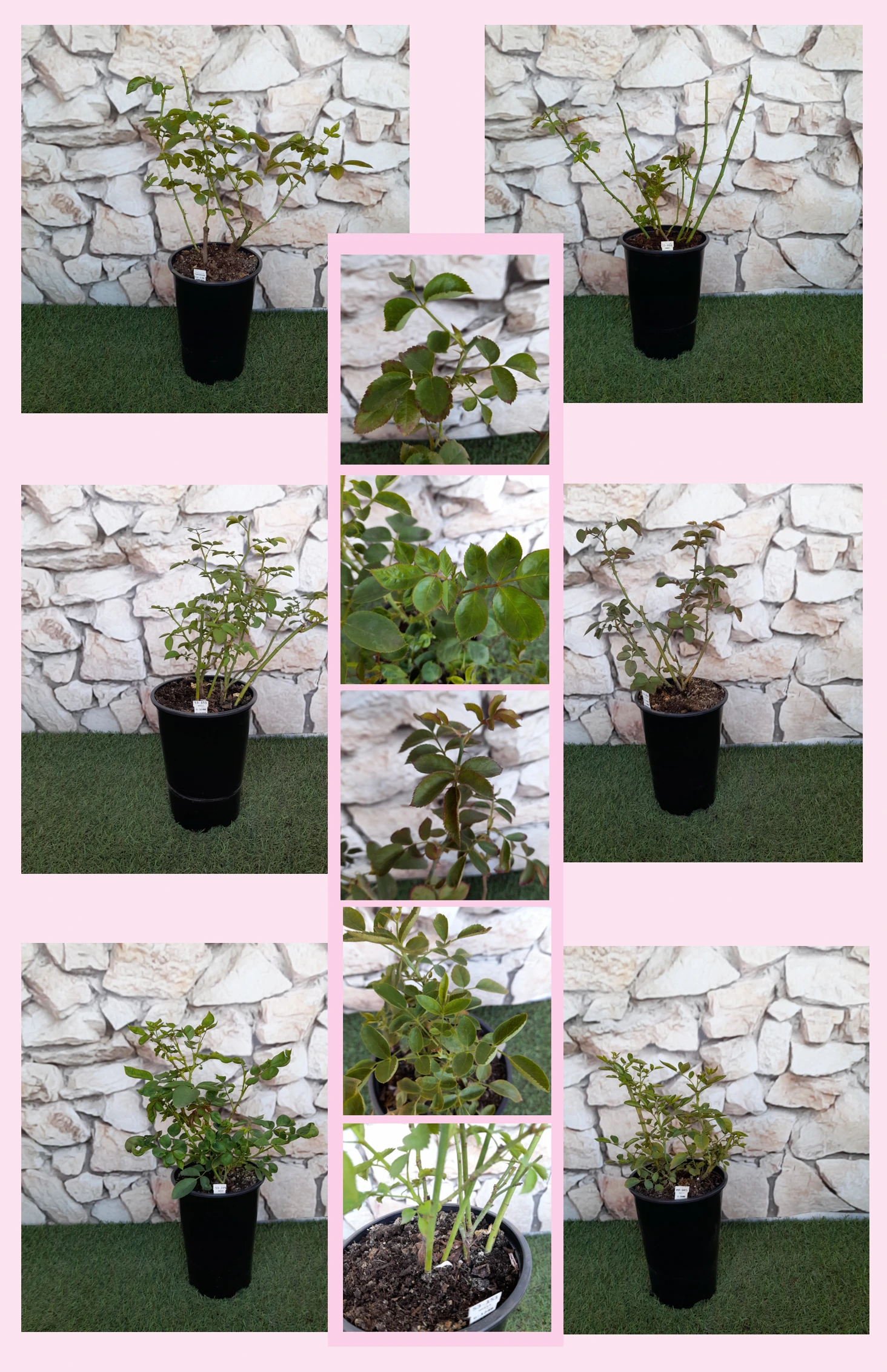
Kensie hybrid tea rose – pharmaROSA® ORIGINAL 2-litre own-root
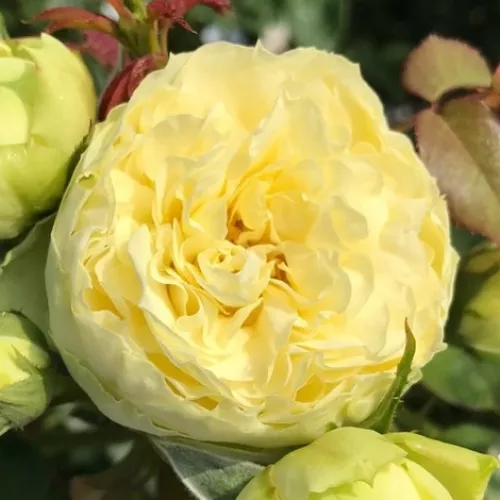
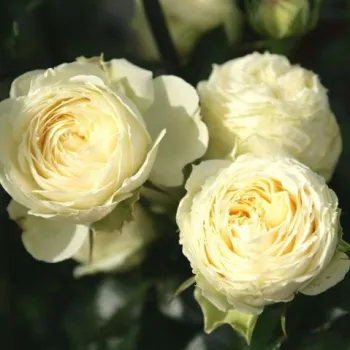
Imagine stepping outside after soft rain, the air washed clean and your front garden glowing with cream and lemon shades: that is Kensie, a bushy hybrid tea that keeps sending up elegant, ball-shaped blooms from early summer well into autumn, even when summers are short and the light is gentle and cool. Its healthy, glossy foliage shrugs off typical Irish rainfall and leaf diseases, so there is very little for you to do beyond planting well and enjoying its fresh, fruity perfume on your way to the door. As an own-root rose it settles in steadily and repays simple care with a long, dependable life – think strong roots in the first year, more confident shoots in the second, and full cottage-garden charm by the third. Ideal for a “girly” cottage border or a Dublin terrace front, Kensie brings softly shifting tones from buttery bud to ivory fade, offering gentle light and an easy sense of contentment to beginners and busy gardeners alike.
Usage options
| Target area |
Reasoning |
| Front-of-house Dublin terrace beds |
Kensie’s compact, bushy habit and medium-sized, repeat flowers create a neat, welcoming line along railings or low walls without overwhelming a narrow space. Its reliable disease resistance means little spraying or fuss beside the front door, perfect for busy city schedules and anyone who wants understated elegance without high maintenance, especially beginners. |
| Irish cottage garden mixed borders |
The warm cream-to-lemon blooms soften as they age, blending beautifully with foxgloves, hardy geraniums and cottage perennials for a romantic, “girly” look. Because Kensie flowers in generous flushes through the season, it keeps the border interesting between other plants’ peaks, even in a cooler, short Irish summer, suiting cottage-owners. |
| Low-maintenance family front garden focal point |
Planted as a solitary specimen at about 1 m spacing, Kensie forms a rounded, mid-height bush that anchors a small lawn or driveway edge with graceful flowers but minimal work. Good disease resistance and steady vigour on its own roots mean pruning and care stay simple year after year, reassuring busy-owners. |
| Small family back garden flower bed |
With recommended spacing around 65 cm, Kensie fits easily into typical suburban beds, giving plenty of blooms for casual cutting without stripping the plant. Its remontant nature brings several strong flushes from summer to autumn, so children and adults alike see regular colour and can pick stems for the table, delighting families. |
| Cut-flower rows and picking gardens |
The medium, double, ball-shaped flowers sit on sturdy stems, ideal for small vases and kitchen jugs. As buds open from golden-lemon to cream-ivory, each stem offers a gentle colour gradient indoors. Own-root resilience means plants recover well from regular cutting, suiting home-florists. |
| Roses in large containers on patios |
Where soil is very heavy or poorly drained, Kensie thrives in a large container of at least 40–50 litres with good quality compost and sharp drainage. This avoids waterlogging, makes light pruning and deadheading easier at arm’s reach, and allows renters or balcony gardeners to take their rose with them, ideal for urbanites. |
| Mixed rose beds in wetter, high-fungal-pressure sites |
In gardens prone to black spot and mildew, Kensie’s strong resistance keeps foliage cleaner, so the planting looks cared-for even when the weather is not. Its bushy, mid-green, glossy leaves create a healthy backdrop for other roses and perennials, and it copes reassuringly well with persistent soft rain, supporting care-avoiders. |
| Long-term planting for durable, low-fuss structure |
As an own-root hybrid tea, Kensie avoids the graft-union weakness of traditional roses: if winter or pruning knocks it back, it re-sprouts true to type from its own wood, giving a long-lived, stable display. Over the years this means fewer replacements, consistent colour and relaxed, predictable care for long-planners. |
Styling ideas
- Cottage-Soft Border – Combine Kensie with pink campion, catmint and airy grasses for a romantic, feminine cottage feel with long, low-effort flowering – suited to dreamy cottage-gardeners
- Elegant-Terrace Line – Plant a row along railings with lavender and box balls for structure; Kensie’s healthy foliage and steady blooms keep a smart facade with little care – ideal for neatness-lovers
- Pastel-Cut Corner – Dedicate a corner bed to Kensie, soft pink roses and pale salvias so you can cut armfuls of gently scented stems all summer – perfect for home-arrangers
- Container-Focal Patio – Use one Kensie in a 50 L clay pot with trailing thyme and violas; its strong own-root growth and disease resistance make pot care simple – great for balcony-gardeners
- Gold-and-Ivory Mix – Pair Kensie with Cornus ‘Midwinter Fire’ and soft cream perennials so its fading ivory flowers and glossy foliage provide summer contrast to winter stems – appealing to year-round-planners
Technical cultivar profile
| Property |
Data |
| Name and registration |
Kensie – cream-coloured hybrid tea rose; commercial group Rós taehibride. Trade name Kensie Hybrid tea rose pharmaROSA®. Collection hybrid tea rose; exhibition category unknown; registered cultivar name not recorded. |
| Origin and breeding |
Hybrid tea discovered in Germany, 2015; parentage and breeder data not fully documented. Introduced by PharmaRosa® Ltd. (Hungary). Year of introduction and formal registration year are not currently available. |
| Growth and structural characteristics |
Bushy shrub rose reaching about 100–140 cm high and 80–110 cm wide. Moderately dense, mid-green glossy foliage on moderately thorny stems. Suitable for beds, hedging or use as a single specimen plant. |
| Flower morphology |
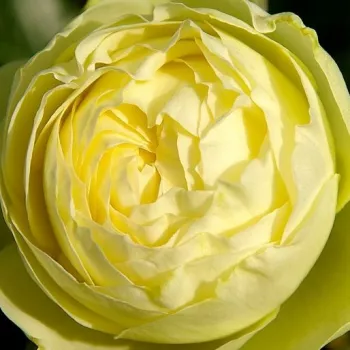
Medium-sized double flowers, roughly 4–7 cm across, with 26–39 petals. Ball to pompon form borne mainly in small corymbose clusters. Remontant habit, with abundant repeat flowering throughout the season. |
| Colour data and phenology |
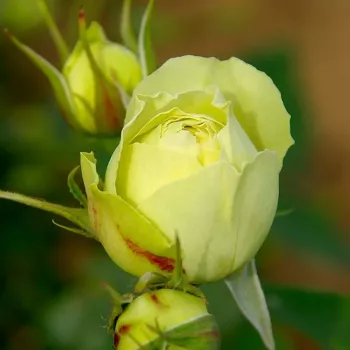
Cream-yellow blooms, ARS OPk; RHS 36B–36C. Buds open warm golden-lemon with cream outer petals, fading through straw-yellow to ivory and almost white at the end, especially in softer, shaded light conditions. |
| Fragrance and aroma |
Light but noticeable fragrance with a fresh, fruity character rather than heavy spice. Best appreciated at close range on still, mild days or when stems are cut and brought indoors for casual arrangements. |
| Hip characteristics |
Occasional small hips form after flowering, generally rounded, about 10–18 mm in diameter. Hip colour and precise shape are not yet formally described for this relatively recent cultivar. |
| Resistance and winter hardiness |
Good overall disease resistance; noted as resistant to powdery mildew, black spot and rust. Winter hardy approximately to −26 to −23 °C (RHS H7, USDA 5b, Swedish zone 4), suiting most exposed Irish garden sites. |
| Horticultural recommendations |
Suited to flower beds and for cutting. Low maintenance; prune lightly and deadhead to encourage repeats. Space at 55–100 cm depending on use, with 2.4–2.7 plants/m² for mass effect in well-drained, fertile soil. |
Kensie Hybrid tea rose pharmaROSA® offers healthy, low-maintenance flowering, long-lived own-root reliability and beautifully shifting cream-lemon blooms; a thoughtful choice if you’d like an easy, enduring rose for your garden.