DELCART – dark red tea hybrid rose – Delbard
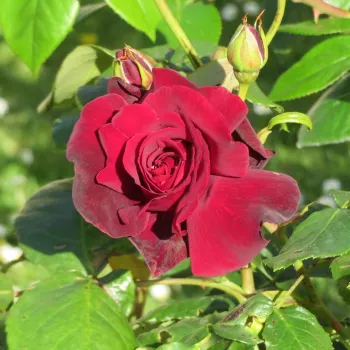
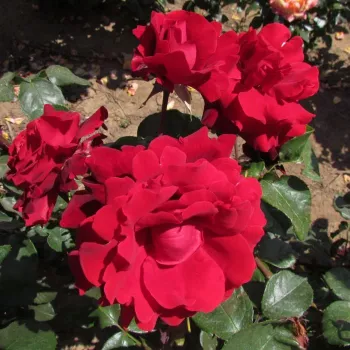
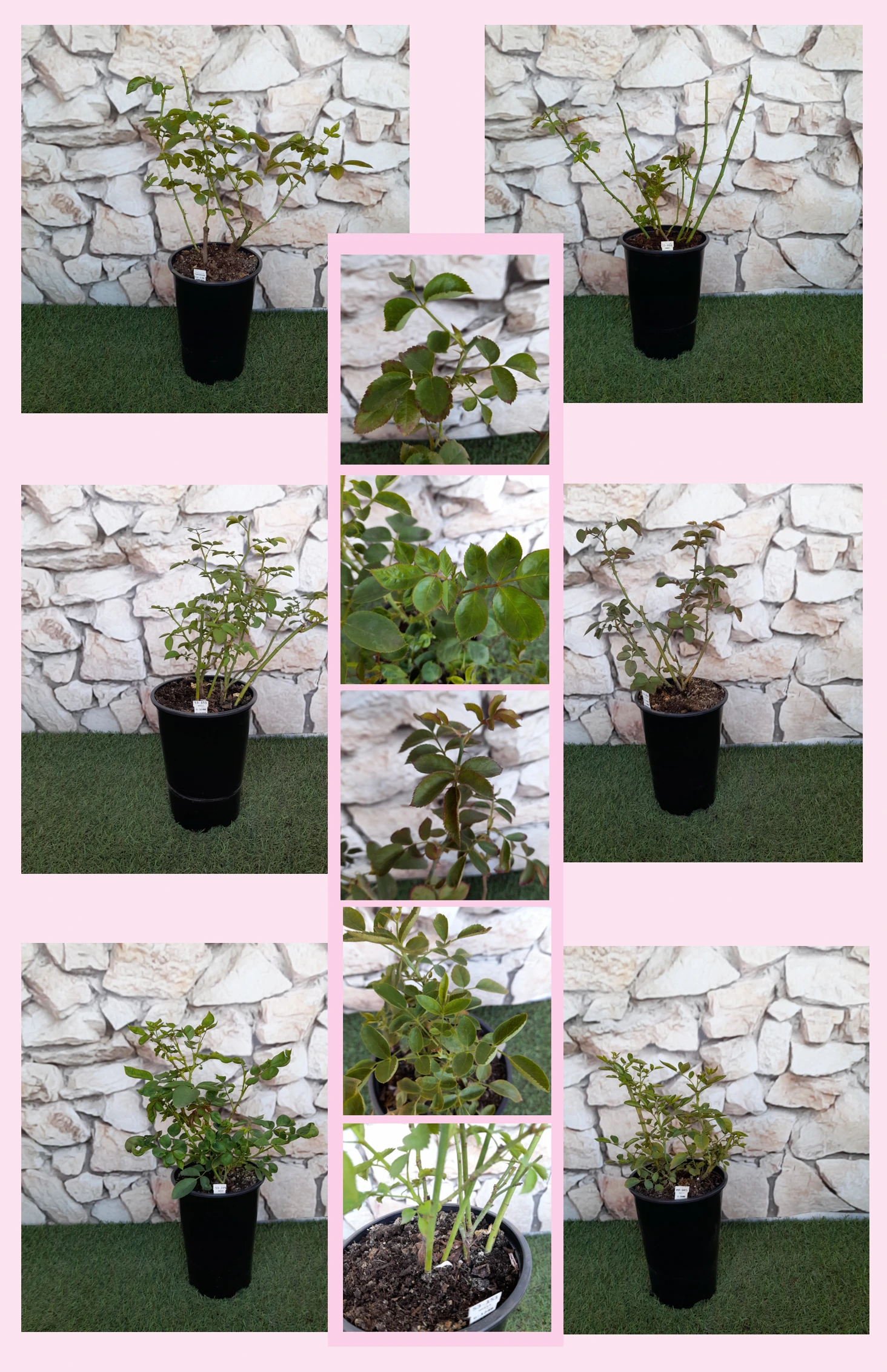
Step out to your front path after a shower and let velvety petals in deep burgundy-red draw your eye in the soft Irish light, while this classic hybrid tea copes gracefully with frequent rainfall and cool summers. ‘Le Rouge et le Noir’ (DELCART) brings a richly coloured, exhibition-style bloom into the relaxed charm of an Irish cottage or terraced front garden, offering long-stemmed flowers for cutting and repeat flushes that keep borders romantic for months. Own-root plants settle steadily, building a durable framework that can be shaped as a specimen, short hedge or container feature, giving you years of fragrant, dark blooms with only moderate care. In practice, you will see roots establishing in the first season, strong new shoots in the second, and full garden presence by the third year, so you can enjoy dependable, long-term colour without demanding maintenance.
Usage options
| Target area |
Reasoning |
| Feature rose for Irish cottage-style front gardens |
The deep, velvety dark red blooms suit painted doors, stone walls and low picket fences, giving a traditional cottage look with modern reliability over many years for beginners. |
| Statement rose in Dublin terraced-house front beds |
Its upright, bushy habit and long, straight stems let you fit a single plant into a tight bed as a focal point, adding height and drama while coping well with frequent Irish showers for urban gardeners. |
| Cut-flower and exhibition-style planting |
High-centred, long-stemmed flowers were bred for the vase and the show bench, so you can cut armfuls of classic dark red roses while still leaving plenty of buds on the bush for enthusiasts. |
| Romantic hedge or boundary line |
Planted at 55 cm centres, it forms a low, bushy rose hedge whose dark foliage and rich blooms give structure and privacy along paths or driveways with relatively little pruning effort for homeowners. |
| Large-container feature on patios and balconies |
In a 40–50 litre pot with good drainage, one plant becomes a movable focal point, giving you scented, dark flowers up close where space is limited and soil may be poor for busy city-dwellers. |
| Own-root specimen for long-lived plantings |
Being on its own roots, the bush regrows reliably from the base after hard pruning or winter damage, keeping shape and colour stable for many seasons with only moderate feeding for time-poor gardeners. |
| Borders on heavier Irish clay soils |
With improved drainage and mulch on heavier ground, it settles into mixed borders, its glossy foliage and repeat flowering giving depth of colour even where summers are short and often overcast for practical planters. |
| Fragrant seating and path-side spots |
Place near a bench or frequently used path to enjoy its strong, lingering perfume on still evenings, bringing a sense of quiet luxury to everyday walks under light Atlantic rain for fragrance-lovers. |
Styling ideas
- Cottage-Classic – Thread DELCART through a low hedge with lavender and lady’s mantle for a soft, old-world cottage look – ideal for nostalgic front-garden owners.
- City-Showpiece – Use a single rose in a tall, charcoal pot with dwarf fountain grass at its feet to frame a townhouse doorway – perfect for style-conscious urban gardeners.
- Evening-Border – Combine its dark blooms with white gaura and pale foxgloves so the flowers glow at dusk – suited to those who enjoy late-summer evenings outdoors.
- Romantic-Hedge – Plant a short run along a path, underplanting with creeping baby’s-breath to soften the base – for families wanting a gentle screen with character.
- Cutting-Corner – Group two or three plants with bugle groundcover in a sunny corner dedicated to cut flowers – ideal for home florists who love bringing roses indoors.
Technical cultivar profile
| Parameter |
Data |
| Name and registration |
Hybrid tea rose from the Les Grands Parfums collection. Registered cultivar name DELcart, marketed as Le Rouge et le Noir, with dark red blooms for garden and cutting use. |
| Origin and breeding |
Bred by Georges Delbard in France, 1973; introduced commercially in 1974 by Pépinières & Roseraies Georges Delbard, combining exhibition form with strong garden fragrance. |
| Awards and recognition |
Lauréate des Roses Parfumées, Lyon 1974, acknowledging its notable, long-lasting perfume and ornamental value among strongly scented garden and exhibition roses of its period. |
| Growth and structural characteristics |
Bushy, upright hybrid tea, 75–105 cm tall and wide, with dense, dark green, glossy foliage and moderate thorns, forming a well-filled shrub suitable for beds, hedges and containers. |
| Flower morphology |
Large, 7–10 cm, semi-double to moderately full, high-centred blooms on mostly solitary stems, in classic cut-flower form, repeating well with particularly abundant second flushes. |
| Colour data and phenology |
Deep, velvety dark red bordering on black; almost black buds open ruby-red, holding colour very well in sun with minimal fading, maintaining rich tones through the flowering period. |
| Fragrance and aroma |
Strong, long-lasting scent typical of old-style hybrid teas; fragrance persists well on the bush and in the vase, making it especially suitable for scented gardens and cut flowers. |
| Hip characteristics |
Rose-hip formation is generally sparse; double blooms and regular deadheading mean only occasional small, spherical red hips, around 8–12 mm, appear late in the season. |
| Resistance and winter hardiness |
Hardy to about −21 to −18 °C (USDA 6b; RHS H7); disease resistance is medium, so occasional protection against black spot, mildew and rust is advisable in humid seasons. |
| Horticultural recommendations |
Plant in fertile, well-drained soil; spacing 65 cm in beds, 55 cm for hedges, 100 cm as specimen. Suits full sun or light shade, with regular watering in prolonged dry weather. |
Le Rouge et le Noir (DELCART) offers velvety dark blooms, rich fragrance and dependable cutting stems on a long-lived own-root shrub; a considered choice if you enjoy classic roses with lasting presence.