LADY HILLINGDON – yellow climbing rose - Hicks
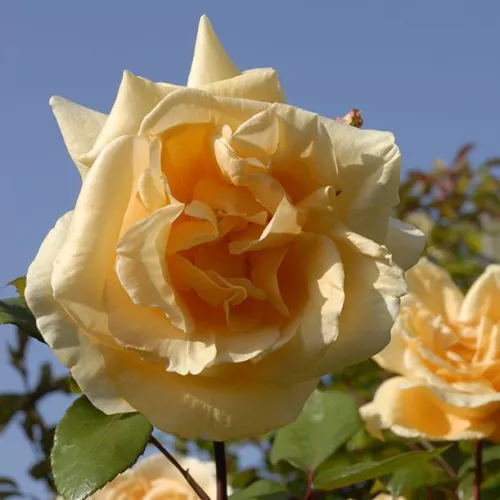
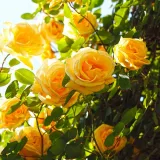
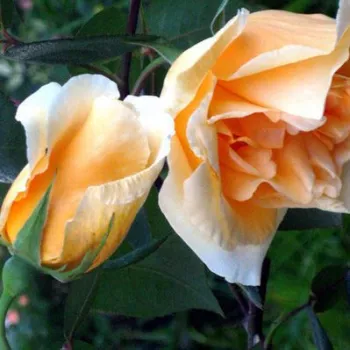
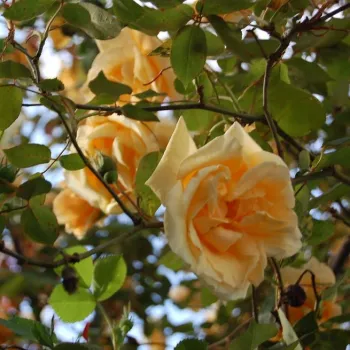
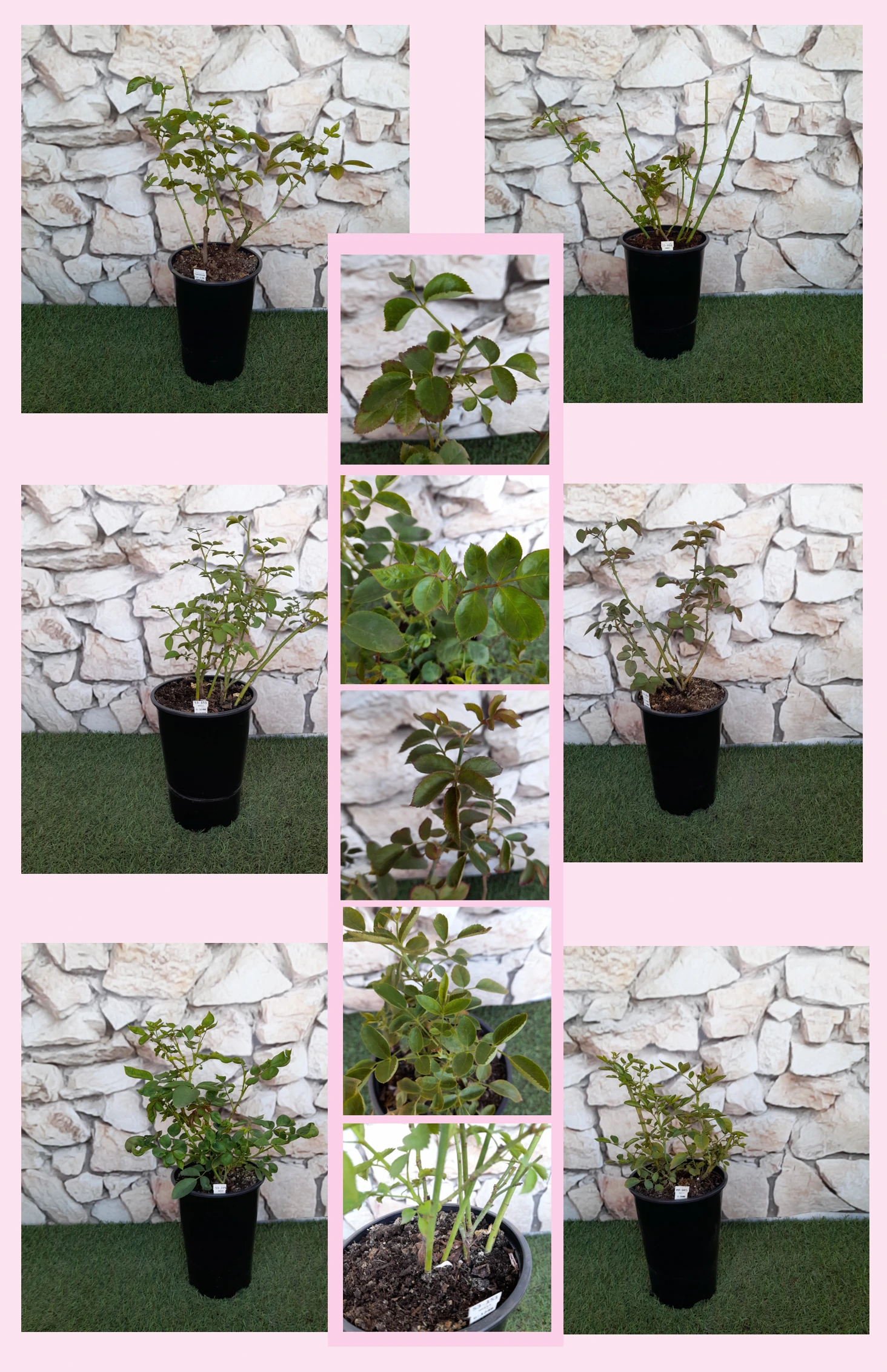
Bring a touch of old-world charm to your Irish garden with LADY HILLINGDON – a luxuriant climbing rose that shrugs off wind and rain, and copes gracefully with humidity in our soft Atlantic climate. Her warm peach-yellow blooms open from glowing egg-yolk buds into large, cupped flowers that release a strong, tea-scented fragrance reminiscent of ripe peaches and fine loose-leaf tea. On her own roots she settles in reliably and matures steadily, rewarding a little patience with a long-lived, future-proof investment in your garden structure. Think of the first year building roots, the second shaping shoots, and the third delivering the full curtain of blossom you imagined for your cottage porch or terraced-house front wall.
Usage options
| Target area |
Reasoning |
| House wall or sunny gable |
The tall, upright habit (3–5 m) makes this an ideal rose to clothe a south- or west-facing wall, while glossy mid‑green foliage and semi-double blooms provide colour for cutting as well as permanent structure; minimal pruning and good disease resistance suit the time-poor homeowner |
| Irish cottage-style pergola or arbour |
Remontant flowering gives an early main flush followed by a generous second wave, so a pergola or arbour stays in bloom over much of the short Irish summer, even in changeable weather, enhancing daily walks through the garden for the fragrance-loving gardener |
| Dublin terraced-house front garden |
Where space is tight, this climber can be trained flat against railings, trellis, or a porch pillar, delivering vertical colour without taking over the ground; own-root vigour and longevity mean a stable feature that copes well with urban conditions for the busy city resident |
| Low-maintenance family garden backdrop |
RHS Award of Garden Merit status reflects dependable performance, good health and ease of care; the variety shows strong resistance to black spot, mildew and rust, so there is less need for spraying or fussing, suiting the relaxed family-garden owner |
| Rainy, exposed coastal or suburban sites |
This climber tolerates wind, regular rainfall and cooler summers, continuing to flower and maintain foliage quality when more delicate roses struggle, making it a reassuring choice where Atlantic weather can be harsh on ornamentals for the cautious coastal planter |
| Lightly shaded boundaries and side passages |
Its suitability for partial shade allows planting along side paths, north–south boundaries or between buildings, where many roses fail to bloom well; the warm flower tones and strong scent still show nicely in softer light for the practical space-conscious buyer |
| Cut-flower corner near the house |
Large, cupped blooms with 7–10 cm diameter and a strong tea, peachy scent are excellent for cutting; placed near the back door or patio, it offers repeated, scented stems through the season from a long-lived, own-root framework for the bouquet-loving householder |
| Future-proof structural planting in new gardens |
On its own roots, this rose knits in steadily, recovering well from pruning or weather damage and gaining presence year by year, so once established it anchors young gardens for decades without replanting upheaval, appealing to the forward-planning garden planner |
Styling ideas
- Cottage-porch arch – Train LADY HILLINGDON over a simple metal arch at the front path, letting her peach-yellow flowers and tea fragrance welcome visitors – perfect for lovers of traditional cottage-garden romance.
- Soft-gold pergola – Cover a timber pergola with this remontant climber and underplant with blue nepeta and white campanulas, highlighting her warm tones and long season – ideal for those who want colour all summer with little effort.
- Elegant front railings – Fan the canes along black railings in a terraced street, pairing with lavender in pots for scent at two levels – suited to urban gardeners making the most of limited ground space.
- Fragrant seating nook – Grow her up a trellis behind a bench, with shade-tolerant ferns and hostas at the base so flowers hang at nose height – for anyone who values quiet evening moments with a richly scented rose.
- Future-proof boundary – Use spaced plants along a fence, interwoven with late-flowering clematis, to build a long-lived, own-root screen that matures beautifully over years – aimed at new homeowners planning a lasting garden framework.
Technical cultivar profile
| Trait |
Data |
| Name and registration |
Lady Hillingdon Climbing rose Hicks, large-flowered climbing rose; ARS exhibition name ‘Lady Hillingdon, Cl.’; honours Alice Marion Harbord Mills, a British baroness; unregistered sport cultivar. |
| Origin and breeding |
Sport of ‘Lady Hillingdon’ (Tea, Lowe & Shawyer, 1910); discovered by Elisha J. Hicks in the United States, 1917; introduced 1920 via E. J. Hicks Nursery, Hurst, Berkshire, United Kingdom. |
| Awards and recognition |
Royal Horticultural Society Award of Garden Merit (1993), indicating reliable performance, garden-worthiness and relatively low maintenance requirements under typical UK and Irish growing conditions. |
| Growth and structural characteristics |
Vigorous upright climber reaching 300–500 cm high, 100–170 cm spread; moderately dense, glossy mid‑green foliage; moderately thorny canes; suitable for walls, pergolas, arbours, trellises and free-standing pillars. |
| Flower morphology |
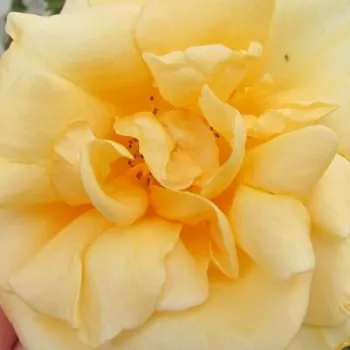
Semi-double, cupped blooms with 13–25 petals, 7–10 cm across; carried mainly in clusters; remontant with a strong main flush and generous repeat; suitable both for garden display and for cutting for indoor vases. |
| Colour data and phenology |
Egg-yolk yellow buds with orange flush open to warm peach-yellow, ARS yb, RHS 17B outer, 14B inner; petals fade to pale cream-yellow, faster in strong sun; pre-fading flowers read as light creamy yellow overall. |
| Fragrance and aroma |
Strong, richly scented tea rose with distinct peachy notes; fragrance is noticeable at a distance in still air and intensifies in the evening; semi-double flowers moderately attractive to pollinating insects in good weather. |
| Hip characteristics |
Moderate set of spherical orange-red hips, about 10–14 mm in diameter, forming after flowering if spent blooms are not removed; contributes subtle late-season interest without overwhelming the plant. |
| Resistance and winter hardiness |
Good resistance to powdery mildew, black spot and rust; tolerates heat with regular watering in drought; hardy approximately to −21 to −18 °C (RHS H7, USDA 6b, Swedish Zone 3) under normal garden conditions. |
| Horticultural recommendations |
Best on well-drained, fertile soil, neutral to slightly acidic; space 160 cm for mass plantings, 150 cm for hedging, 300 cm as specimens; suitable for partial shade; for containers, use at least 40–50 litres with sturdy support. |
Choose LADY HILLINGDON – yellow climbing rose - Hicks for a long-lived, fragrant, disease-resistant climber whose own-root strength builds a dependable wall of colour, a thoughtful option if you want beauty without complicated care.