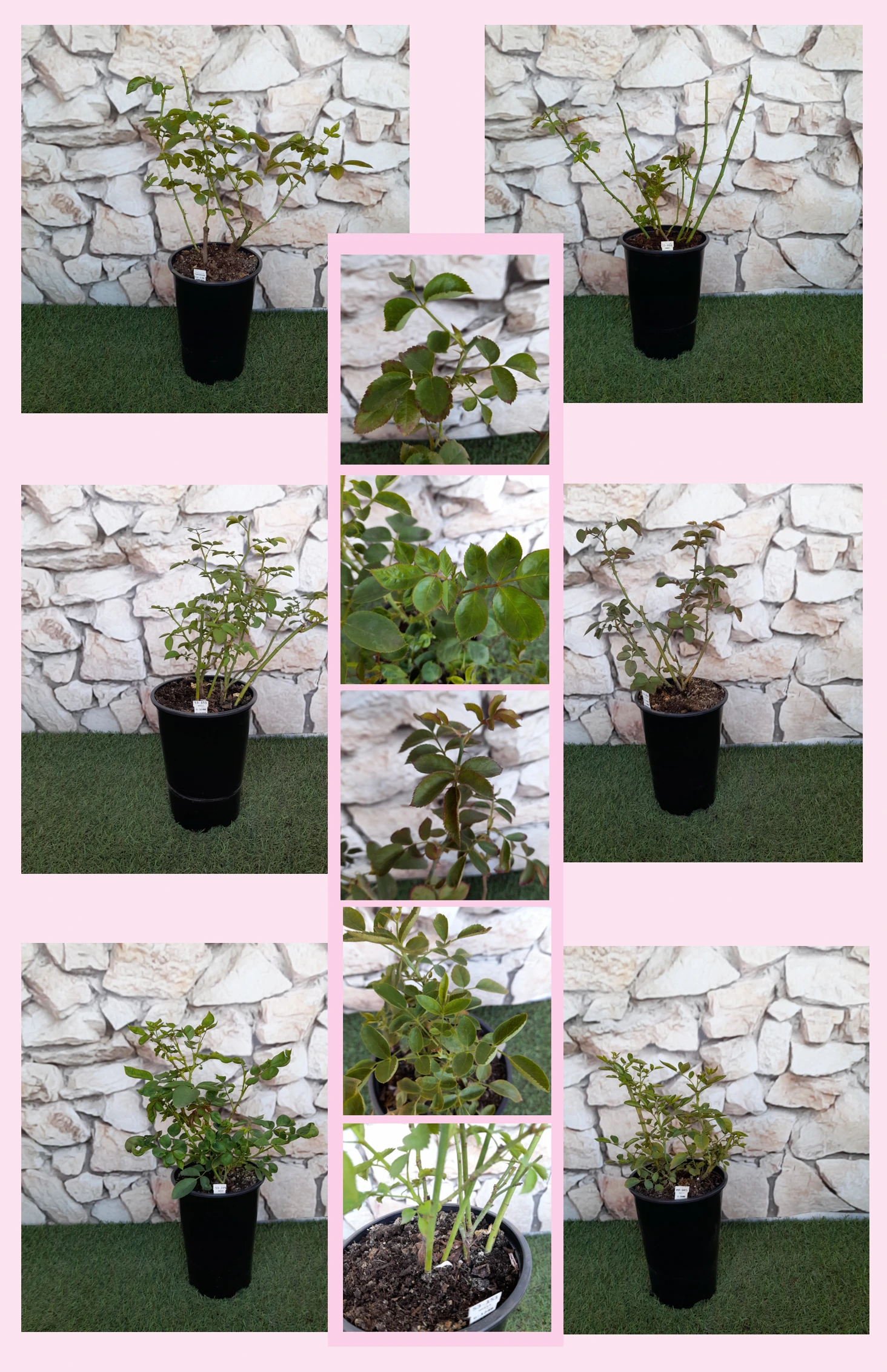
LA FRANCE – pink hybrid tea rose - Guillot
Step outside to meet heritage charm in your own front garden: LA FRANCE brings softly glowing, romantic pink blooms with a silvery sheen, perfect for a cottage border or Dublin terrace railings where space is precious yet style matters. Bred in 1867, this tall, upright hybrid tea offers a wonderfully fragrant rose scent, ideal for snipping stems for the vase while keeping an elegant show in the bed. Its remontant habit means generous repeat flowering from summer into autumn, even when our Irish summers feel short and cool with frequent showers and fresh breezes from the sea. Own-root plants settle steadily, giving a reassuringly lasting structure that can regenerate if cut back hard or nipped by frost. Once you give it good drainage and a sunny spot, maintenance stays pleasantly simple, with just light pruning and deadheading. In the first years it quietly builds roots, then stronger shoots, and by the third season you enjoy full ornamental impact with graceful, high-centred blooms that look beautifully feminine against mid-green foliage.
Usage options
| Target area |
Reasoning |
| Feature rose for a small front garden |
The tall, upright habit and large, high‑centred blooms make an ideal focal point by a door, gate or low railing, bringing instant romantic structure without needing a big bed, well suited to busy urban householders seeking charm in limited space for beginners. |
| Classic Irish cottage‑garden border |
Soft, silvery pink flowers and mid‑green, matte foliage blend naturally with thyme, violas and sweet alyssum, giving a gentle, feminine mood that feels at home among cobbles, stone walls and gravel paths for cottage‑garden lovers. |
| Cut‑flower row in a family back garden |
Long stems with solitary, high‑centred hybrid‑tea blooms are perfect for cutting, and regular picking encourages more flowers, bringing fragrance indoors while keeping the plant productive for home‑florists. |
| Romantic accent beside a seating area |
The strong, classic rose perfume is most appreciated near a bench or patio chair, where evening air carries the scent around you during relaxed moments after work for fragrance‑seekers. |
| Own‑root long‑term garden investment |
As an own‑root rose it ages steadily, not reverting from a graft, and if winter or pruning take it low, it reshoots from its own base, giving a durable, reliable clump over many years for long‑term planners. |
| Low‑fuss historic rose highlight |
While occasional plant protection and deadheading are helpful, established plants are structurally robust, asking mostly for sun, drainage and a yearly prune, making historic rose growing realistic for time‑pressed families. |
| Irish climate‑tolerant bed in mixed borders |
Good winter hardiness and remontant flowering suit cool, damp Irish gardens; in well‑drained clay it copes with breezy, showery summers that might limit fussier roses, provided you give mulching and watering in dry spells for weather‑aware gardeners. |
| Planted as a developing specimen over several seasons |
In a sunny, well‑prepared spot or a 40–50 litre container, it first concentrates on root growth, then stronger framework, reaching full display by its third year, rewarding patient shaping and regular deadheading for forward‑thinking owners. |
Styling ideas
- Cottage‑border glow – Underplant with creeping thyme and horned violets along a low path edge to frame the silvery‑pink blooms – for romantically minded cottage‑garden owners.
- Front‑rail elegance – Plant a single bush by a Dublin terrace railing with white sweet alyssum at its feet for a soft, scented welcome – ideal for style‑conscious city dwellers.
- Perfumed patio pot – Grow one plant in a 40–50 litre container with good drainage and a light gravel mulch to enjoy fragrance close to the seating area – perfect for balcony and small‑yard gardeners.
- Victorian cutting row – Line several plants in a narrow bed for long‑stemmed, high‑centred blooms you can cut weekly through summer – suited to home florists and bouquet enthusiasts.
- Heritage focal point – Use a single specimen in a mixed historic border of old‑fashioned perennials and grasses to highlight its 19th‑century breeding – appealing to lovers of period and historic gardens.
Technical cultivar profile
| Property |
Data |
| Name and registration |
La France hybrid tea rose, trade name La France Hybrid tea rose Guillot, exhibition name La France, historic hybrid tea garden and cut‑flower variety, ARS colour code mp, commercial group Rós taehibride. |
| Origin and breeding |
Bred by Jean‑Baptiste André Guillot & Fils, Lyon, France from ‘Madame Bravy’ × ‘Madame Victor Verdier’, introduced 1867 as the first recognised hybrid tea rose, unregistered but widely established worldwide. |
| Growth and structural characteristics |
Upright plant 120–160 cm high and 75–105 cm wide, moderately thorny, with mid‑green, matte foliage of medium density; best in sunny positions with shelter from extreme wind for stable, elegant flowering stems. |
| Flower morphology |
Large, double, 7–10 cm blooms, 26–39 petals, high‑centred, pointed hybrid‑tea form; mainly solitary flowers on long stems, ideal for cutting, with remontant habit and notably abundant second flush in suitable conditions. |
| Colour data and phenology |
Mid‑pink, slightly lilac buds open to silvery, pearly pink flowers; colour lightens gradually to pastel and near‑white at petal edges, with moderate fading, giving a soft, delicate effect throughout the flowering period. |
| Fragrance and aroma |
Strong, easily noticeable classic rose fragrance with rich, full character; ideal where scent is a priority, especially along paths and seating areas, and effective as a perfumed cut flower indoors in vases. |
| Hip characteristics |
Occasional small, spherical rose hips form after uncut flowers, 10–14 mm in diameter, turning orange‑red as they mature, adding a discreet seasonal accent in late season without dominating the plant. |
| Resistance and winter hardiness |
Hardy to about −21 to −18 °C (H7, USDA 6b, Swedish zone 3); disease resistance medium to mildew and black spot, good to rust, benefits from airy spacing, good hygiene and timely watering during dry, hot spells. |
| Horticultural recommendations |
Use as specimen, flower‑bed focal, cut‑flower or historic‑garden feature; space 55–100 cm depending on effect; prefers fertile, well‑drained soil, regular deadheading and moderate plant protection in damp seasons. |
LA FRANCE – pink hybrid tea rose - Guillot offers richly fragrant, repeat‑flowering heritage blooms on a long‑lived own‑root plant that rewards simple care, making it a thoughtful choice for a gently romantic Irish garden.