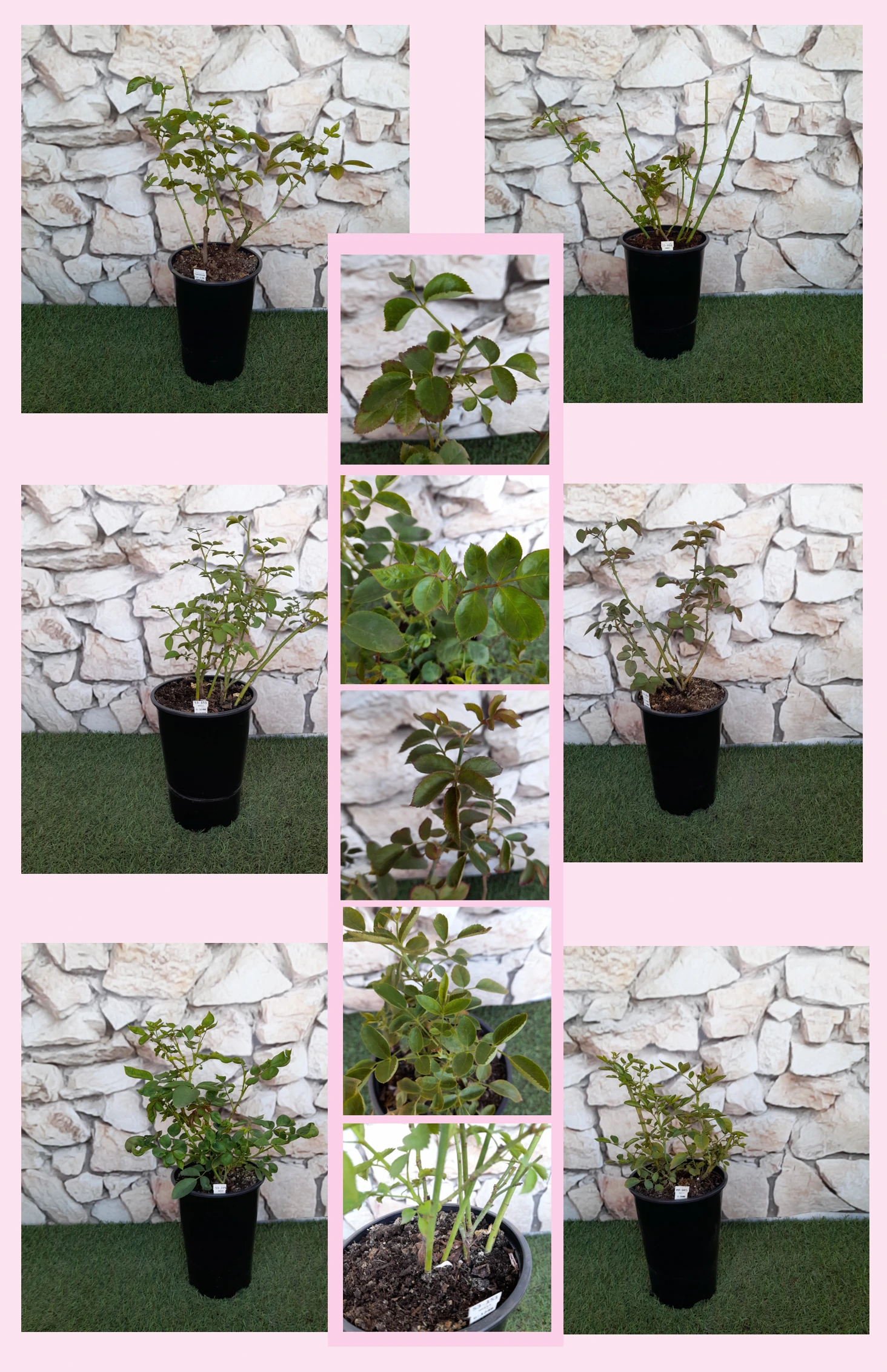
LA CLÉ DE LA ROSE – lilac-pink hybrid tea rose – Ducher & Massad
Step outside after a shower and you can almost feel the raindrops hanging in the air around LA CLÉ DE LA ROSE: its lilac‑pink blooms and damask perfume create a soft, cheerful atmosphere that suits both cottage borders and compact Dublin front gardens, even where frequent rain and cool breezes meet mild summers. This upright, mid‑sized hybrid tea settles in steadily, offering a remontant display of generous, semi‑double flowers that reveal golden stamens for visiting bees. Planted as an own‑root shrub, it builds a long‑lived framework that copes gracefully with pruning and weather, giving you a reliable source of cut blooms and a garden‑filling scent that drifts through open windows. With good preparation of heavier soils and light mulching, its maintenance needs stay modest, while the plant repays you with season‑spanning colour that matures naturally over time. Think of it as a gentle investment: Year‑by‑year it grows roots first, then shoots and flower volume, until the third year when its full potential fills your small family garden with relaxed, rose‑scented charm and quietly confident elegance.
Usage options
| Target area |
Reasoning |
| Feature rose near a front door or garden gate |
The very strong, classic old‑rose fragrance carries on damp Irish days and into still evenings, giving a welcoming scent every time you pass. Ideal for gardeners who value atmosphere and sensory enjoyment, especially the fragrance‑lover. |
| Main rose bed in a family garden |
Its remontant flowering habit provides reliable flushes from early summer onwards, giving colour you can depend on in shorter Irish summers. With simple pruning and occasional care it delivers a long season of interest for the relaxed hobby‑gardener. |
| Pollinator‑friendly mixed border |
Semi‑double blooms open to show accessible stamens, offering food for bees while still looking refined beside perennials. This makes it a good choice if you want ornament and biodiversity together as a nature‑oriented garden‑owner. |
| Cut‑flower corner or picking bed |
Large, cupped, exhibition‑type flowers on upright stems are well suited to vases, letting you bring the lilac‑pink tones and rich perfume indoors regularly. This appeals to the home that enjoys arranging flowers and cherishing seasonal stems as a rose‑enthusiast. |
| Compact hedge or low boundary line |
Moderate height and planting distances around 50–55 cm create an elegant, scented line that defines paths or drives without overwhelming a small plot. This is practical and beautiful for space‑conscious city‑dwellers. |
| Own‑root, long‑term garden planting |
On its own roots the shrub regenerates well from weather or pruning setbacks, keeping shape and flower quality year after year, with roots in year one, top growth in year two and full ornamental value by year three for the patient planner. |
| Atlantic‑exposed, rainfall‑prone gardens |
Moderate overall disease resistance, with good tolerance to black spot and powdery mildew, supports healthy foliage where cool, moist air increases fungal pressure, meaning fewer interventions for the time‑poor beginner. |
| Large containers on terrace or patio (40–50 L+) |
In a generous, well‑drained pot of at least 40–50 litres, its upright habit and medium spread form a tidy, long‑lived accent with silvery‑veiled lilac‑pink blooms you can enjoy up close, suiting the busy but style‑conscious urban‑gardener. |
Styling ideas
- Cottage‑border drift – Repeat‑plant in a loose row with pink lupins and windflowers for a soft, romantic cottage feel – suited to lovers of informal, season‑spanning borders.
- Front‑door welcome – Flank a path or steps with two specimens underplanted with low lavender for a scented arrival – ideal for homeowners who want instant charm without complex planting.
- Pollinator ribbon – Weave through a mixed border with airy perennials, allowing semi‑double blooms to feed bees – perfect for nature‑focused gardeners balancing beauty and wildlife.
- Elegant patio pair – Grow in two 50‑litre containers with evergreen cherry laurel behind for a refined backdrop – great for small urban terraces needing long‑lived, easy structure.
- Cut‑flower strip – Arrange a short row in the sunniest spot, keeping access for regular picking of fragrant stems – appealing to those who like to bring their garden indoors.
Technical cultivar profile
| Feature |
Data |
| Name and registration |
La Clé de la Rose hybrid tea rose; trade name used in commerce, premium gold merit rating; part of the Rós taehibride group for garden and cutting use. |
| Origin and breeding |
Bred by Fabien Ducher and Dominique Massad in France, introduced and registered in 2016 by Roseraie Ducher, combining traditional charm with modern garden performance. |
| Growth and structural characteristics |
Upright hybrid tea shrub, typically 80–120 cm tall with 50–70 cm spread; moderately dense, mid‑green, slightly glossy foliage and moderate prickliness, suitable for beds or low hedges. |
| Flower morphology |
Semi‑double, cupped blooms with 13–25 petals, usually borne singly on stems; large 7–10 cm flowers, remontant with abundant second flush, good for display and cutting. |
| Colour data and phenology |
Intense deep purplish‑pink, RHS 64C outer and 64B inner; softens to a deep lilac‑pink with a delicate silvery veil as blooms mature, with the outer petal edge remaining distinctly darker. |
| Fragrance and aroma |
Very strong, garden‑filling scent with a classic old‑rose, damask character; designed to perfume surrounding seating areas and cut‑flower arrangements for maximum sensory impact. |
| Hip characteristics |
Occasional ellipsoidal orange‑red hips, around 10–14 mm in diameter; provide modest late‑season interest and potential wildlife value without compromising overall flowering. |
| Resistance and winter hardiness |
Hardy to approximately −21 to −18 °C (USDA 6b, RHS H7, Swedish Zone 3); resistant to powdery mildew and black spot, with moderate susceptibility to rust in humid seasons. |
| Horticultural recommendations |
Best in fertile, well‑drained soil; allow 50–90 cm spacing depending on use; suitable for beds, hedges and 40–50 L containers, with medium maintenance and occasional plant protection. |
LA CLÉ DE LA ROSE rewards you with a long season of fragrant, lilac‑pink blooms, steady repeat flowering and resilient own‑root growth; a thoughtful choice if you would like a refined yet undemanding garden rose.