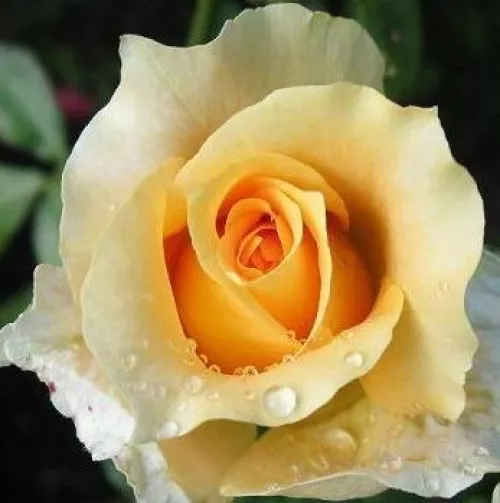
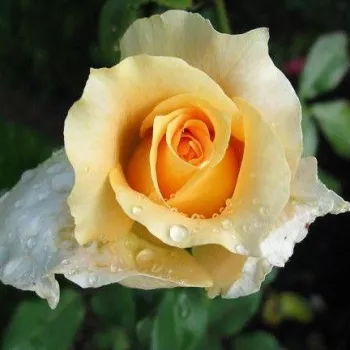
BANKSIAE ALBA – white species rose - Kerr
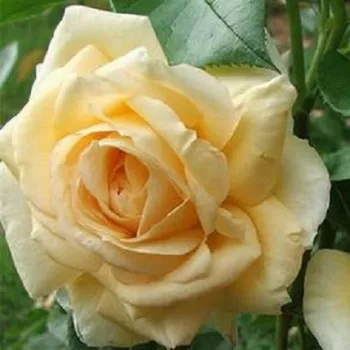
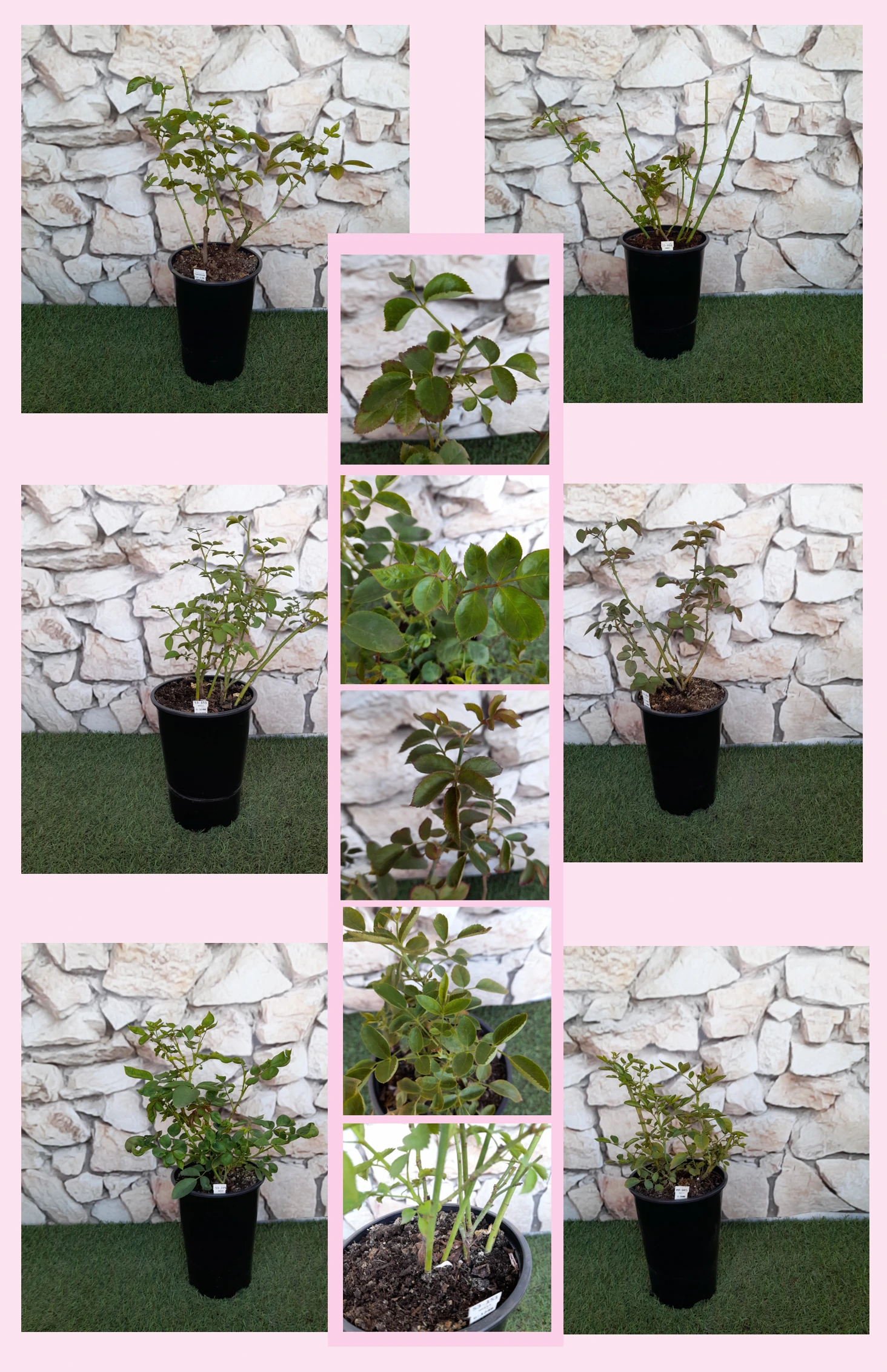
Step out to meet soft spring light with BANKSIAE ALBA, a cloud of tiny, double white blooms that turns walls, garages and cottage outbuildings into romantic green backdrops. This historic species rambler is almost thornless, so even narrow Dublin front gardens and family paths stay welcoming for children and pets. Once it has settled, its mature framework copes reliably with wet, breezy Irish weather and humid summers with frequent showers and changing winds. A single, spectacular flush covers the plant in May–June, creating an unforgettable, cheerful moment each year with surprisingly little work from you. As an own-root rose, it develops steadily, giving you Year 1 roots, Year 2 shoots, Year 3 full ornamental value, for long-term, stable impact in a small to medium family garden. Almost thornless growth, graceful mid-green foliage and self-cleaning clusters keep maintenance modest, leaving you to enjoy the contentment of a living green curtain that needs shaping only once or twice a year.
Usage options
| Target area |
Reasoning |
| Cottage-style house wall or sunny gable |
Perfect for clothing a cottage wall in romantic, snow-white blossom once a year, then remaining a quiet green backdrop. The long-lived own-root structure gives lasting coverage without complex care, suiting the relaxed pace of cottage-garden owners. |
| Dublin terraced front garden arch or arbour |
Almost thornless canes make it safer beside narrow paths and front doors, ideal for training over an arch without snagging coats or schoolbags. Light pruning after flowering is usually enough, appealing to time-pressed city-garden beginners. |
| Family garden pergola seating area |
Creates a soft, shady green roof with one breathtaking spring display, then offers a leafy summer hideaway. Medium maintenance and self-cleaning clusters mean you mostly enjoy the view, making it well suited to relaxed family-garden users. |
| Wall-trained feature in small urban gardens |
Its climbing habit and moderate foliage density let you green vertical space without sacrificing precious ground. Own-root resilience supports a long lifespan on fences or garages, an attractive option for compact urban-plot gardeners. |
| Partial-shade side passage or north-east aspect |
Tolerates partial shade, so it can brighten side returns and less-sunny walls with clusters of cream-white pompoms. Once established, structural pruning every few years is enough, ideal for low-fuss, shade-challenged homeowners. |
| Clay-soil gardens with improved drainage |
Once rooted into well-prepared, free-draining clay, the robust framework copes well with typical Irish moisture and avoids sulking in wet spells. This suits gardeners who will improve drainage once, then prefer relatively hands-off caregivers. |
| Heat-sheltered courtyard or south-facing wall |
Good heat and moderate drought tolerance make it reliable on warmer, sheltered walls, provided it is watered during long dry spells. Its once-a-year pruning pattern keeps things simple for busy, sun-loving patio-planting enthusiasts. |
| Large container against a stable support |
In a 40–50 litre or larger container with strong support, it offers a manageable way to enjoy an historic rambler on balconies or paved yards. Own-root growth means it can regenerate if cut back, reassuring container-focused rose collectors. |
Styling ideas
- Cottage-porch garland – Train it around a porch or doorframe, underplant with Carpathian bellflower and soft herbs for a storybook cottage feel – ideal for romantic cottage-front gardeners.
- Dublin-terrace frame – Let it arch from railings to doorway, paired with pots of calamint for scent at nose level – perfect for style-conscious city-terrace owners.
- Green-room pergola – Cover a simple timber pergola, adding English bluebeard and airy grasses for colour after the blossom – good for families who want a gentle outdoor retreat.
- Quiet-side passage – Run it along a side fence, with white campanulas and ferns at its feet to brighten a tricky, part-shaded strip – suited to homeowners taming awkward side returns.
- Container courtyard screen – Grow it in a large tub against a sunny wall, mixing terracotta pots of lavender and calamint for fragrance and texture – attractive for balcony and small-patio gardeners.
Technical cultivar profile
| Parameter |
Data |
| Name and registration |
Rambler species rose, trade name BANKSIAE ALBA, also known as Rosa banksia banksia; part of the Botanical rose collection, commercial type species rose for garden use. |
| Origin and breeding |
Species-derived selection of Rosa banksiae, introduced by William Kerr through the Royal Botanic Gardens, Kew, United Kingdom, around 1807 for ornamental wall and pergola planting. |
| Awards and recognition |
Holds the RHS Award of Garden Merit, indicating reliable garden performance, decorative value, and general robustness under ordinary conditions when grown with reasonable care. |
| Growth and structural characteristics |
Strong climbing habit, 400–800 cm high with 200–400 cm spread; almost thornless canes, moderately dense mid-green, slightly glossy foliage forming an airy yet covering framework. |
| Flower morphology |
Very double, globular to pompon flowers, 1–4 cm across, produced in clustered trusses; once-flowering in late spring, with moderate self-cleaning so some clusters may persist briefly. |
| Colour data and phenology |
Pure white to cream-white blooms, RHS 155C, opening cream-tinted and maturing to snow white; colour holds well, only slight browning on ageing petals, giving a refined old-fashioned effect. |
| Fragrance and aroma |
Mild, delicately floral fragrance, noticeable at close range rather than across the garden; adds a gentle, refined scent to paths and seating areas during its peak flowering period. |
| Hip characteristics |
Hip set is generally low due to very double flowers; where formed, small spherical orange hips 4–8 mm decorate the framework modestly without becoming a dominant feature. |
| Resistance and winter hardiness |
Hardy to about −21 to −18 °C (RHS H7, USDA 6b, Swedish Zone 3); disease resistance moderate, with average tolerance to mildew, black spot and rust in typical garden situations. |
| Horticultural recommendations |
Best on walls, pergolas, arbours or as a specimen; space 180–330 cm depending on use; prefers improved drainage on clay, regular watering in drought, and light pruning after flowering. |
BANKSIAE ALBA offers once-a-year clouds of white blossom, almost thornless growth and long-lived own-root resilience, a graceful choice if you would like a gentle, low-effort climber for your garden.