KÖNIGIN VON DÄNEMARK – pink historic Alba rose - Booth
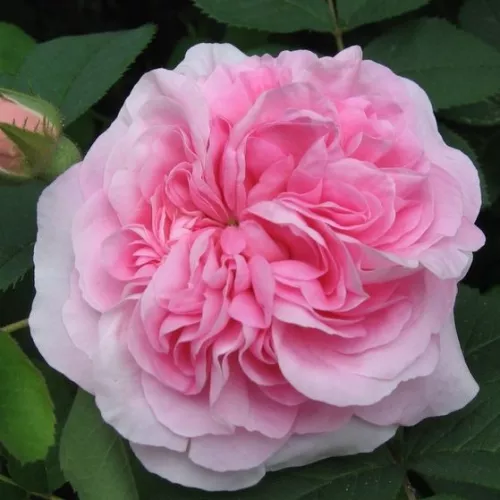
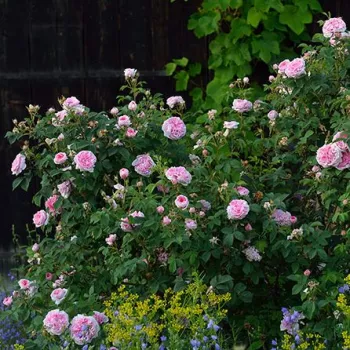
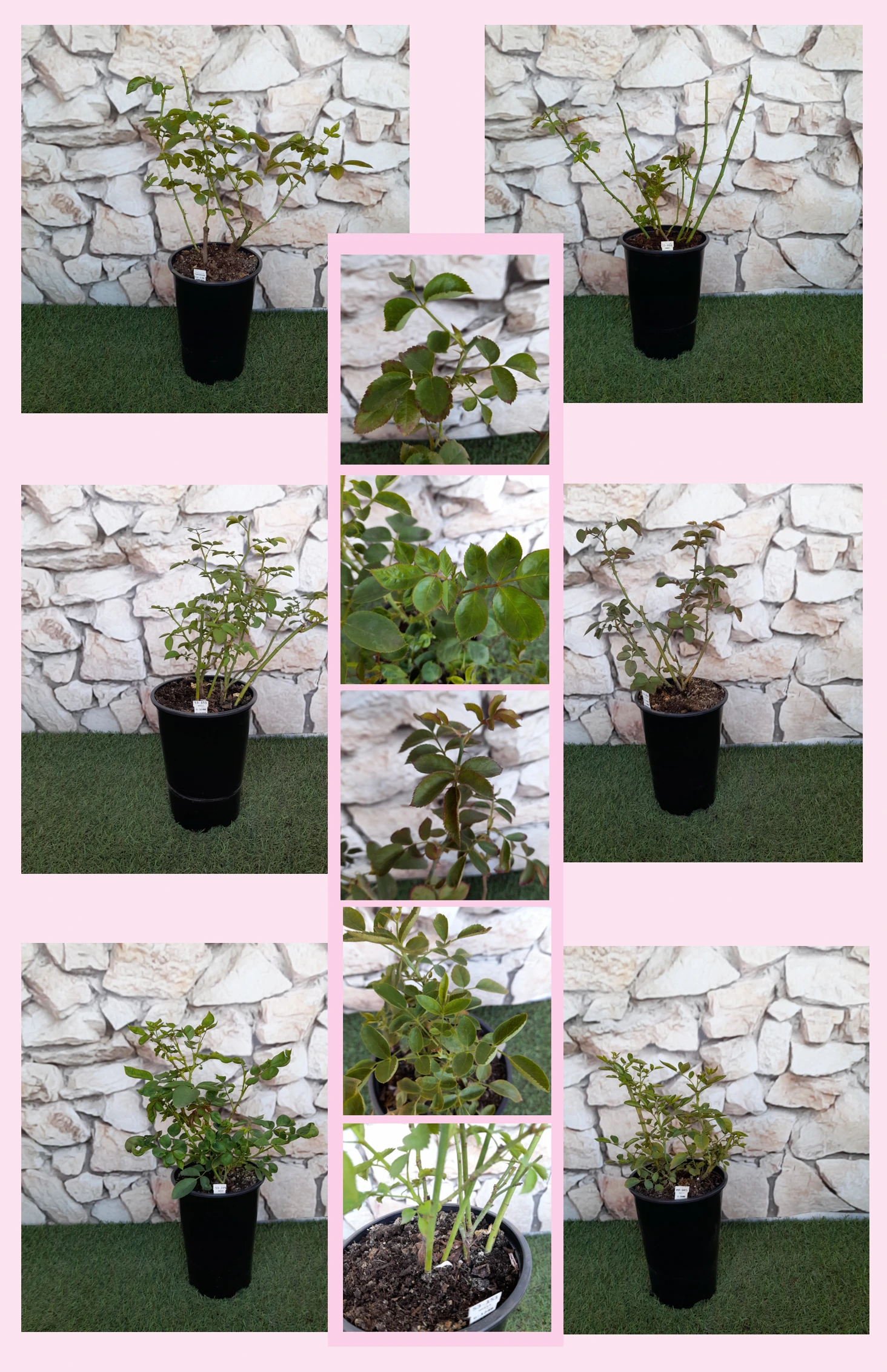
If you dream of a romantic, “girly” cottage feel in a small Irish front garden, Queen of Denmark brings soft, powder‑pink charm with a deeply satisfying, fragrant summer display. This historic Alba shrub rose forms a bushy, borders-filling plant, almost without thorns, so everyday care is gentle on hands and ideal near paths or tight gateways. Bred for resilience in cooler northern climates, it settles well into Irish conditions with their frequent showers and periods of humidity that can challenge fussier roses. Its once‑a‑year, mid‑summer flush is long and memorable, producing large, rosette blooms perfect for cutting and bringing that classic rose‑garden atmosphere indoors. As an own‑root rose it ages gracefully, with a naturally long lifespan and the reassuring ability to regenerate from the base, building up from roots in the first year, stronger shoots in the second, and full character by the third.
Usage options
| Target area |
Reasoning |
| Dublin terraced-house front garden hedge |
Plant at about 80 cm spacing for a loose, romantic hedge that frames a narrow front garden without feeling heavy. The bushy habit and almost thornless canes make it suitable close to pavements and boundary walls, especially for fragrance-loving urban homeowners. |
| Irish cottage garden specimen |
As a single specimen at around 160 cm spacing, it builds into a graceful, arching shrub that anchors a mixed cottage border. The long-lived, own-root character means it slowly matures into a permanent feature, suiting patient gardeners who value enduring structure. |
| Mixed shrub border in family gardens |
In an average-sized family garden, use it mid-border where the 120–180 cm height gives a soft backdrop to perennials. Moderate disease resistance and reliable flowering in cooler summers make it a solid, low-fuss choice for busy householders who still want a classic look. |
| Clay-soil gardens with careful drainage |
On heavier Irish clays, improved drainage and a mulch layer help the deep root system establish, rewarding you with a sturdy, wind-tolerant shrub that copes well with the frequent Atlantic rain and damp. This suits practical-minded beginners planning long-term plantings. |
| Lightly shaded side passage or north-east wall |
Partial shade tolerance lets it flower respectably where sun is limited to morning or dappled periods, such as a side passage between houses. The soft pink tones stay fresher in cooler, filtered light, appealing to city gardeners working with awkward, half-shaded spaces. |
| Fragrant cut-flower corner |
Large, very full rosette blooms with a powerful, classic fragrance make it ideal for a small cut-flower bed. A once-a-year main flush concentrates stems just when summer entertaining starts, perfect for those who like to fill vases at home without complex rose collections. |
| Historic-style park or large lawn edge |
In a larger garden or shared green, plant it in small groups at 90 cm spacing for a traditional, historic effect along a lawn or path. The award-backed garden performance and dignified habit suit heritage-inspired projects valued by community-minded homeowners. |
| Large container on a sheltered terrace (40–60 L) |
In a 40–60 litre container with good drainage, it becomes a movable focal point for renters or balcony gardeners. Own-root growth offers stability over years, as the plant can be rejuvenated by pruning from the base, reassuring long-term planners with limited permanent space. |
Styling ideas
- COTTAGE-EDGE HEDGE – line a low picket fence with a loose hedge, underplant with Calamintha nepeta ‘Blue Cloud Strain’ to soften the base – ideal for romantic cottage-style front gardens.
- TEACUP BORDER – combine with Heuchera in soft plums and silvers for a “girly”, pastel border beside the front step – perfect for busy city homeowners wanting charm with one good shrub.
- HISTORIC FOCAL POINT – plant as a single specimen on a small lawn with a simple brick edge and gravel understorey – suits those who love heritage gardens but have limited space.
- FRAGRANT WALKWAY – repeat along a path at 80–90 cm, weaving in low calamint and soft grasses so summer walks are full of scent – appealing to families who enjoy evening strolls at home.
- VINTAGE CUT-FLOWER BED – dedicate a corner bed with this rose backed by tall perennials like hemp-agrimony for a nostalgic cutting patch – good for hobby florists and fragrance collectors.
Technical cultivar profile
| Parameter |
Data |
| Name and registration |
Königin von Dänemark, also known as Queen of Denmark; historic Alba–Centifolia shrub rose, ARS exhibition name ‘Queen of Denmark’; unregistered cultivar widely accepted in heritage rose collections. |
| Origin and breeding |
Raised by James Booth & Sons Nursery, Flottbeck (then Denmark, now Hamburg), selected circa 1816 from a seedling of ‘Great Maiden’s Blush’; first distributed in Germany, introduced to gardens in 1826. |
| Awards and recognition |
Holds the Royal Horticultural Society Award of Garden Merit (1993), indicating reliable performance, good garden value and dependable beauty under average conditions without excessive specialist care. |
| Growth and structural characteristics |
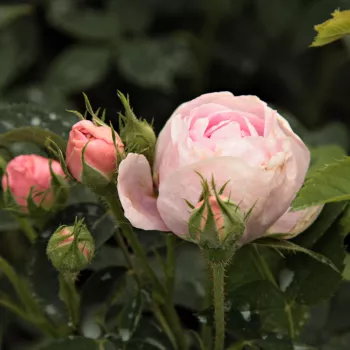
Bushy, upright shrub 120–180 cm tall with 100–160 cm spread; moderately dense, grey-green matt foliage and almost thornless shoots; forms a rounded, graceful outline suitable for hedges and specimens. |
| Flower morphology |
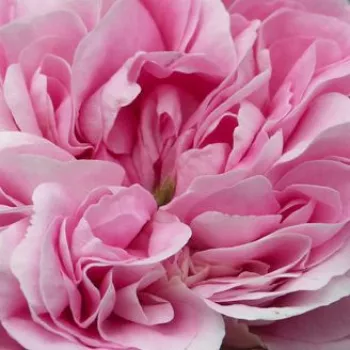
Large, 7–10 cm, solitary rosette blooms with more than 40 petals; very full, cupped flowers on strong stems, mainly once-flowering in early to mid-summer, with moderate self-cleaning after blooming. |
| Colour data and phenology |
Pale powder pink overall, mid-pink at opening (RHS 65C–65D) fading to near white; colour holds best in cooler or lightly shaded sites, with a single main flowering season rather than continuous repeats. |
| Fragrance and aroma |
Very strongly scented, classic old-rose perfume that fills the surrounding garden air; especially intense in still, humid weather and ideal for planting where the fragrance can be enjoyed at close quarters. |
| Hip characteristics |
Rose hips are sparse due to the very double flowers; when present they are ovoid, 14–22 mm in diameter, orange-red (RHS 40A) and mainly of ornamental rather than wildlife or culinary interest. |
| Resistance and winter hardiness |
Hardy to about −32 to −29 °C (USDA 4b, RHS H7, Swedish zone 5); moderate resistance to powdery mildew, black spot and rust; requires watering during prolonged drought and benefits from airy planting. |
| Horticultural recommendations |
Best in well-drained but moisture-retentive soil; medium maintenance with regular feeding and pruning after flowering; spacing 80–160 cm depending on hedge or specimen use; suitable for partial shade sites. |
KÖNIGIN VON DÄNEMARK offers richly fragrant summer blooms, graceful thorn-light growth and long-lived own-root reliability, making it a thoughtful choice for anyone planning a romantic, enduring rose in a family garden.