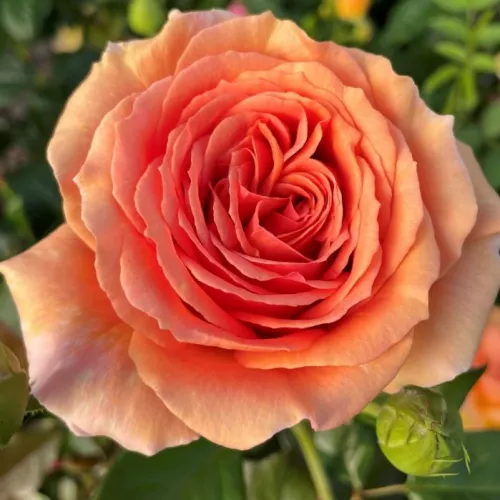
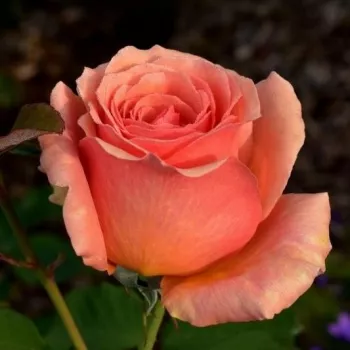
KING DAVID – orange hybrid tea rose on its own roots
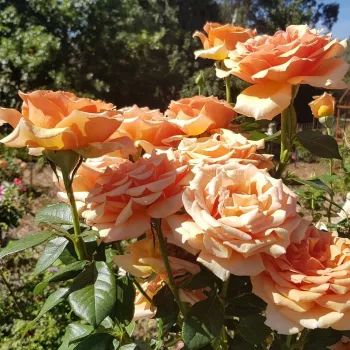
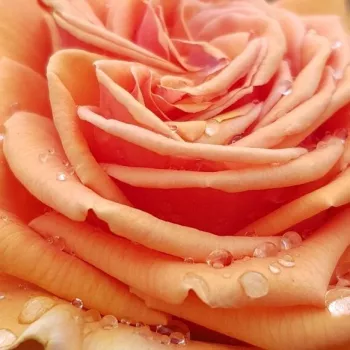
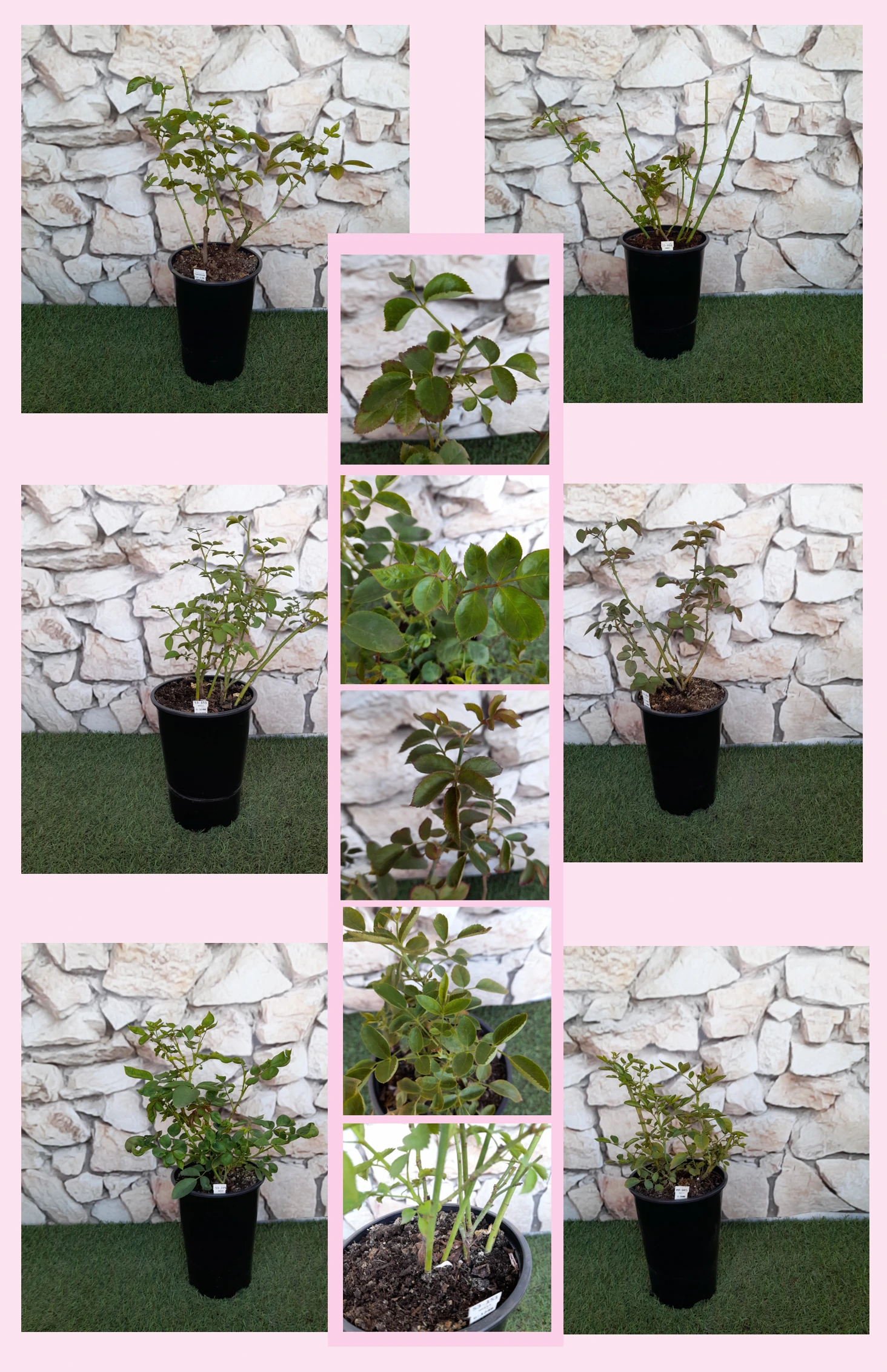
If you dream of stepping outside for a quick, rain-fresh walk past glowing orange blooms, KING DAVID brings that feeling of easy elegance to even the smallest Irish front garden. This hybrid tea’s large, high-centred flowers open from bronze buds into warm copper tones that soften towards peach, looking especially lovely in the soft rainfall light of our changeable weather. Planted as a single statement rose or in a tight cottage-style row, it grows upright with dense, healthy foliage, producing repeat flushes from summer into autumn with only moderate maintenance. As an own-root plant it offers reassuring long-term stability and the capacity to recover well after pruning, with roots establishing in the first year, stronger top growth in the second, and full garden presence by about the third season.
Usage options
| Target area |
Reasoning |
| Front garden specimen by the door |
The upright habit and XL, high‑centred blooms make KING DAVID a natural focal point beside a gate, path or doorstep. Its warm copper‑orange colouring reads clearly from the street and suits brick, stone or painted facades. Own‑root growth means it builds structure steadily and endures years of family comings and goings, ideal for the busy homeowner who wants a reliable welcome-home rose for the house-proud gardener. |
| Small Irish cottage flower bed |
Planted at 40–65 cm spacing in a mixed border, this rose fits neatly among traditional perennials, bringing repeated flushes of colour through our shorter summers. The dense foliage gives good “cottage” fullness without needing complex care. Moderate disease resistance combines well with simple hygiene and mulching, suiting those who want that storybook look without constant spraying, especially the time-pressed beginner. |
| Cutting patch or cut-flower row |
As an exhibition-type hybrid tea, KING DAVID produces long-stemmed, high‑centred blooms that are made for the vase. One or two plants in a sunny strip can supply regular cut flowers from summer to autumn. The light, fruity fragrance is pleasant indoors without overpowering a room, perfect for anyone who enjoys bringing home-grown arrangements to the kitchen table, particularly the creative flower-lover. |
| Sunny terrace pot or large container |
In a 40–50 litre or larger container with free-draining compost, KING DAVID becomes a compact patio feature, ideal where ground space is limited or soil is very heavy. Regular watering and a simple feed regime keep it flowering, while own‑root form means there is no graft union to protect. This suits balcony and courtyard gardeners who want a statement rose in reach of a chair, the typical urban homeowner. |
| Warm, sheltered mixed border |
The rose thrives in a sunny, reasonably sheltered spot where its good tolerance of warm spells and showy colour can shine. In Irish gardens that see damp, breezy days and occasional sunbursts, it copes well if the soil is improved for drainage and mulched to keep roots comfortable during our wetter periods, reassuring for the weather-wary gardener. |
| Focal trio in a family lawn island bed |
Three plants set in a small island bed create a glowing orange dome of flowers above medium‑dark foliage. The medium maintenance level means an occasional tidy of spent blooms and routine feeding will keep the display attractive. Over the first three seasons the clumps knit together into a durable, long-lived feature that still leaves lawn space free for children, ideal for the family-oriented owner. |
| Feature hedge along a path or drive |
At 35–40 cm spacing, KING DAVID forms a low, formal line with regular upright stems topped by large blooms. The dense foliage and repeat flowering give a generous, “looked-after” impression without demanding daily attention. Occasional deadheading and light pruning are usually enough to maintain shape, which appeals to the appearance-conscious gardener. |
| Statement plant in improved heavy clay soil |
Where heavy Irish clay is common, this rose performs well if planted into a slightly raised, well-drained pocket with added organic matter and a surface mulch to steady moisture. This simple preparation helps its own-root system establish strongly despite wetter spells and short summers, offering peace of mind to the cautious first-time planter. |
Styling ideas
- Cottage-border glow – Combine KING DAVID with Geranium pratense and Salvia nemorosa for a soft Irish cottage look, the cool blues and purples tempering its warm copper flowers – for nostalgic cottage-style romantics.
- Front-step welcome – Place one rose in a large terracotta pot by the front door, underplanted with low ivy or thyme, to give a warm yet tidy welcome – for busy homeowners wanting charm with minimal fuss.
- Sunset cutting strip – Plant a short row along a sunny fence, underplanted with airy grasses, to create a “sunset” palette of copper and gold stems for regular cutting – for creative bouquet makers.
- Formal path edging – Use evenly spaced plants on both sides of a path, keeping underplanting simple with low evergreen edging to highlight the upright, high‑centred blooms – for lovers of classic, orderly gardens.
- Mixed-texture island – In a lawn island, pair KING DAVID with meadow sage and a few clumps of ornamental grass to contrast the glossy foliage and large blooms with looser forms – for those who enjoy naturalistic but structured planting.
Technical cultivar profile
| Parameter |
Data |
| Name and registration |
Hybrid tea rose, registered as TANmarsa, marketed as KING DAVID – orange tea-hybrid rose – Evers; also exhibited under the name Ashram in show and cut-flower circles. |
| Origin and breeding |
Bred by Hans Jürgen Evers at Rosen Tantau, Germany, with unknown parentage; introduced and registered in 1998 as a premium-quality hybrid tea for garden and cutting use. |
| Growth and structural characteristics |
Upright bushy plant 60–80 cm high and 50–70 cm wide, with dense, moderately thorny stems and slightly glossy, medium-dark green foliage forming a compact, formal outline. |
| Flower morphology |
XL, solitary blooms over 10 cm across, semi-double with 17–25 petals, high‑centred, pointed buds in classic cut-rose style; repeats well with a generous second flush in season. |
| Colour data and phenology |
Rich orange with copper tints (RHS 28A outer, 28C inner), deep bronze buds, ageing to softer peach‑orange with a rosy hint; colour lightens moderately yet remains warm before petals drop. |
| Fragrance and aroma |
Light, pleasantly fruity rose fragrance, subtle rather than strong, adding a refined scent around seating areas or when used as a cut flower indoors without overwhelming small rooms. |
| Hip characteristics |
Hip set is generally sparse; when present, small ellipsoidal hips 8–12 mm across develop, turning orange-red and adding a discreet late-season accent without significant ornamental weight. |
| Resistance and winter hardiness |
Hardy to about −21 to −18 °C (H7, USDA 6b), with medium resistance to black spot, mildew and rust; benefits from good air movement and routine hygiene in damp, disease-prone sites. |
| Horticultural recommendations |
Best in full sun with fertile, well-drained soil; space 35–65 cm depending on use; feed and deadhead regularly, water in dry spells, and prune annually to renew flowering wood. |
KING DAVID – orange tea-hybrid rose – Evers offers large long-lasting flowers, reliable repeat blooming and durable own-root growth for years of pleasure, making it a thoughtful choice for an easy-going Irish family garden.