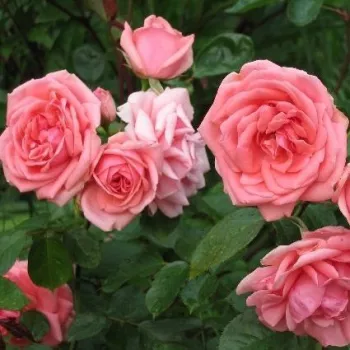
KIMONO – salmon-pink bedding floribunda rose
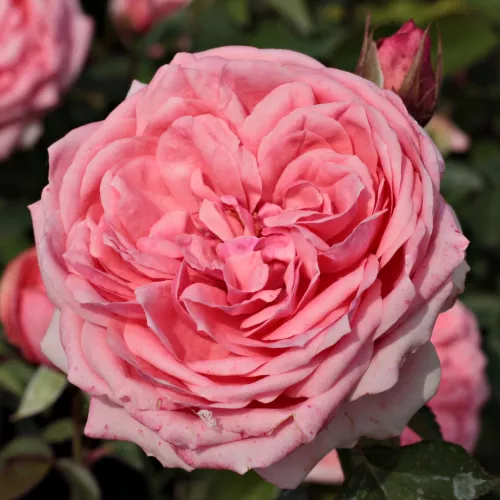
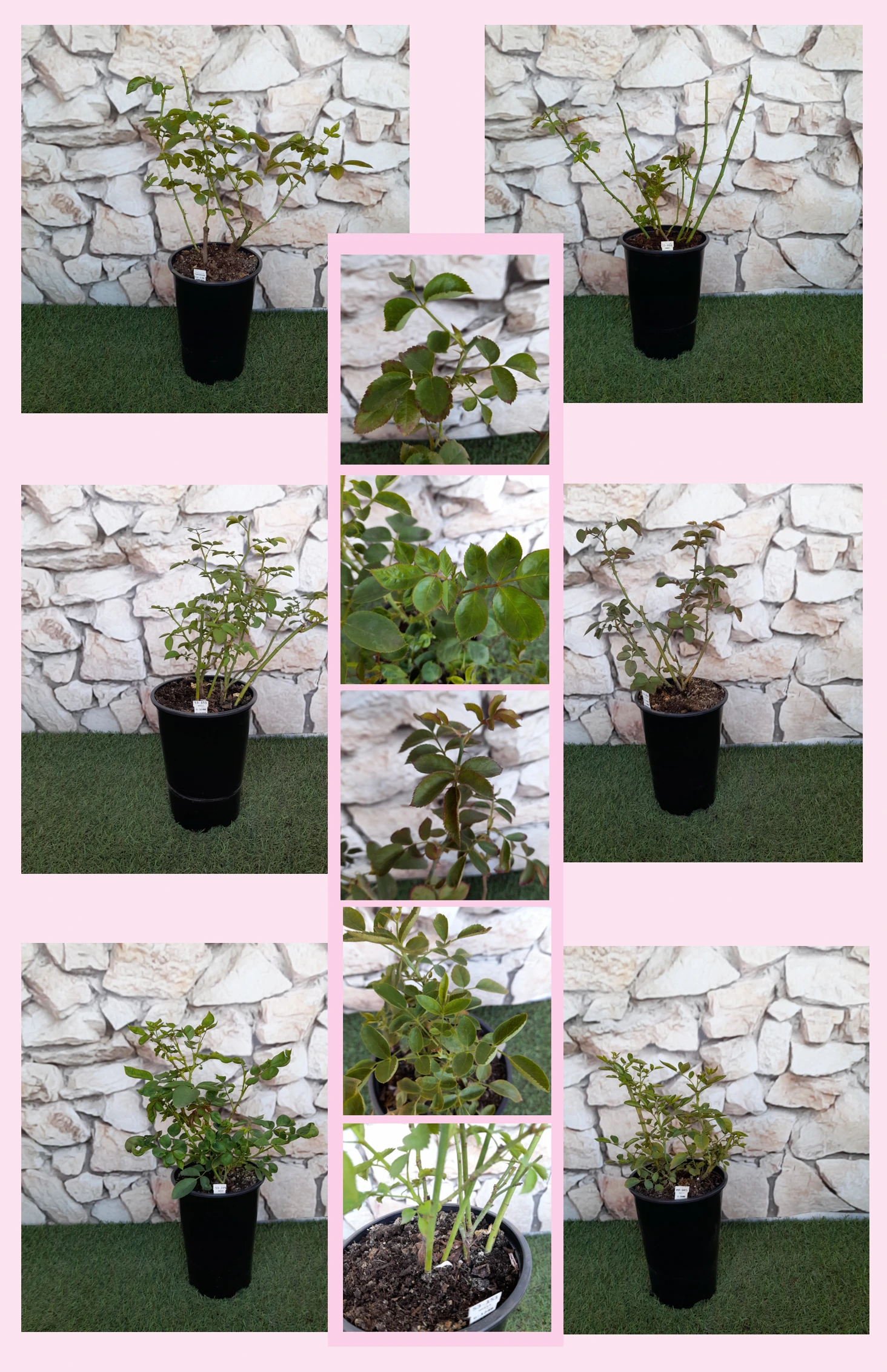
Step outside for a few quiet minutes and let Kimono wrap your front garden or cottage border in soft, salmon-pink light: this classic floribunda offers generous clusters of very full blooms, a rosy medium fragrance, and tidy, bushy growth that stays compact and almost thornless for easy everyday care. Bred for strong resistance to common rose diseases, it copes gracefully with our cool, damp Irish seasons and frequent rain, rainfall never quite stealing its charm. Own-root plants settle in reliably, building lasting structure with roots first, then stronger shoots, and by the third year a full display of flowers that return year after year with minimal fuss. Ideal in beds, low hedges or edging, its repeat-flowering habit keeps borders looking cheerful and well-finished from early summer onwards, while the glossy, dark foliage provides a deep green backdrop to the pastel show. Plant it in sun or light shade with good drainage, add a little mulch on our heavier Irish clays, and enjoy long seasons of simple, low-effort colour that feels both gentle and quietly uplifting on even the greyest day.
Usage options
| Target area |
Reasoning |
| Cottage-style front garden bed |
The bushy, upright habit and repeat-flowering clusters suit narrow front beds, giving months of salmon-pink colour with very little upkeep; own-root plants establish steadily and deliver dependable structure for years, perfect for the relaxed Irish cottage look for the beginner. |
| Low flowering hedge along a path |
Planted at the recommended 45 cm for hedging, Kimono forms a soft, informal low hedge, with glossy dark foliage and almost thornless stems that are kinder to passing hands and children, creating a welcoming, flower-lined route for the homeowner. |
| Bedding display in a family back garden |
Its floribunda bedding character means rich, cluster-flowered displays from early summer, with a generous second flush; disease resistance keeps foliage clean, so family gardens look cared-for even when time is short, ideal for the busy-gardener. |
| Mixed border with perennials |
Compact spread and medium height (about 75–105 cm) fit easily among perennials like lady’s mantle, asters and lupins, adding structure and long-season colour without overpowering the scheme, giving reliable balance for the planner. |
| Partial-shade city courtyard |
Kimono tolerates partial shade, so it still flowers well where houses and walls limit direct sun; its warm salmon-pink tones brighten enclosed spaces and its neat shape keeps small urban plots feeling ordered for the town-dweller. |
| Large container on terrace or doorstep |
When planted in a generously sized 40–50 litre container with free-draining compost, its upright, bushy form and medium-sized flowers produce a welcoming focal point by doors or seating areas, with easy deadheading access for the balcony-owner. |
| Low-maintenance family play garden |
Strong resistance to powdery mildew and black spot, plus low general maintenance needs (only occasional rust checks), mean tidy plants with minimal spraying; almost thornless stems reduce snags on clothing, reassuring for the family. |
| Traditional rose bed for long-term structure |
As an own-root floribunda, Kimono matures into a durable, well-shaped bush that recovers better from winter damage and pruning; over time, its repeat blooms and balanced height provide a stable framework that copes well with our cool, wet Irish climate and frequent soft rain for the collector. |
Styling ideas
- Cottage-border drift – Plant loose sweeps of Kimono with Alchemilla mollis and dwarf asters for a soft, pastel cottage feel – ideal for romantic front-garden owners.
- Salmon-pink hedge – Create a low hedge along a path or driveway at 45 cm spacing for a tidy but friendly boundary – suited to practical homeowners.
- Doorstep welcome – Grow one or two bushes in 40–50 litre pots by the front door for continuous colour and fragrance – perfect for busy city dwellers.
- Perennial mix – Combine with pink lupins and airy grasses so its compact, upright form and long flowering season anchor the border – good for design-conscious gardeners.
- Family play frame – Line the edge of a lawn or play area, where its almost thornless stems and healthy foliage give safe, reliable structure – reassuring for young families.
Technical cultivar profile
| Parameter |
Data |
| Name and registration |
Floribunda bedding rose; registered cultivar name Kimono, trade name Kimono Bedding rose Kimono; American Rose Society exhibition name Kimono; exhibition category bush rose, floribunda. |
| Origin and breeding |
Bred by Gerrit de Ruiter, De Ruiter (Netherlands) from ‘Cocorico’ × ‘Frau Anny Beaufays’; introduced and registered in 1961 by Horstmann & Co., Germany, for European gardens. |
| Awards and recognition |
Royal National Rose Society Trial Ground Certificate awarded in 1961, confirming its ornamental value, garden performance and reliability under independent UK trial garden conditions. |
| Growth and structural characteristics |
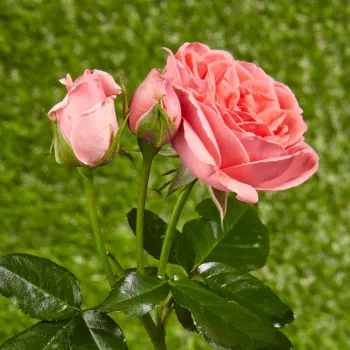
Bushy, upright habit with moderately dense, glossy dark green foliage; almost thornless stems; height around 75–105 cm, spread 60–90 cm; some spent blooms remain and benefit from light deadheading. |
| Flower morphology |
Cluster-flowered floribunda with medium-sized (4–7 cm), very full, cup-shaped blooms bearing 40 or more petals; repeat-flowering with a generous second flush when regularly deadheaded and lightly fed. |
| Colour data and phenology |
Warm salmon-pink blend, RHS 48C outer and 48D inner; deep buds open vivid, then soften to pastel salmon and cream tones; colour is richer in cool, cloudy weather and fades faster in strong summer sun. |
| Fragrance and aroma |
Medium-strength, classic rosy scent noticeable on still, mild days; primarily ornamental as the very double flowers limit stamen access, so it contributes scent more than pollinator forage in mixed plantings. |
| Hip characteristics |
Occasional spherical rose hips, about 8–12 mm in diameter, orange-red when ripe; not produced in large quantities but add a light seasonal accent in late season if flowers are not all deadheaded. |
| Resistance and winter hardiness |
Generally low-maintenance with good resistance to powdery mildew and black spot, medium susceptibility to rust; hardy to about −21 to −18 °C (RHS H7, USDA 6b, Swedish zone 3) with normal garden care. |
| Horticultural recommendations |
Best in fertile, well-drained soil, neutral to mildly acidic; spacing 55 cm in beds, 45 cm for hedges, 85 cm as specimens; suitable for partial shade, beds, edging, hedges, parks, and occasional cut flowers. |
KIMONO offers long-season salmon-pink clusters, compact almost thornless growth and reliable disease resistance on durable own-root plants; a thoughtful choice for those seeking lasting, easy elegance in a family garden.