KEMPELEN FARKAS EMLÉKE – light pink flowerbed polyantha rose - Márk
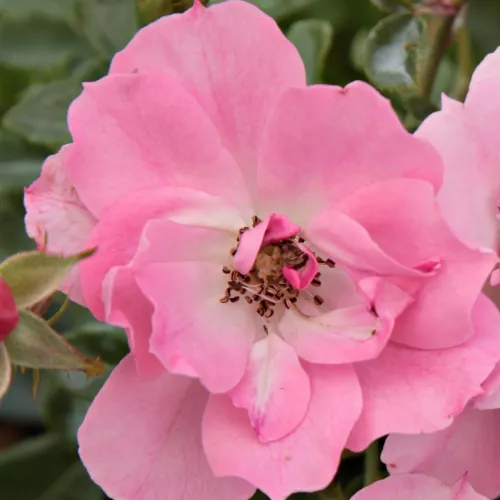
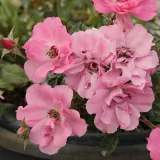
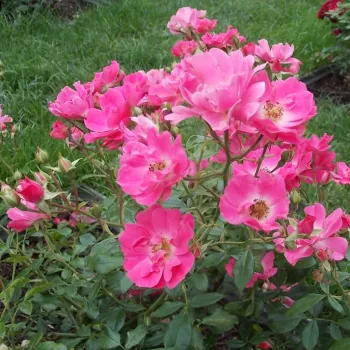
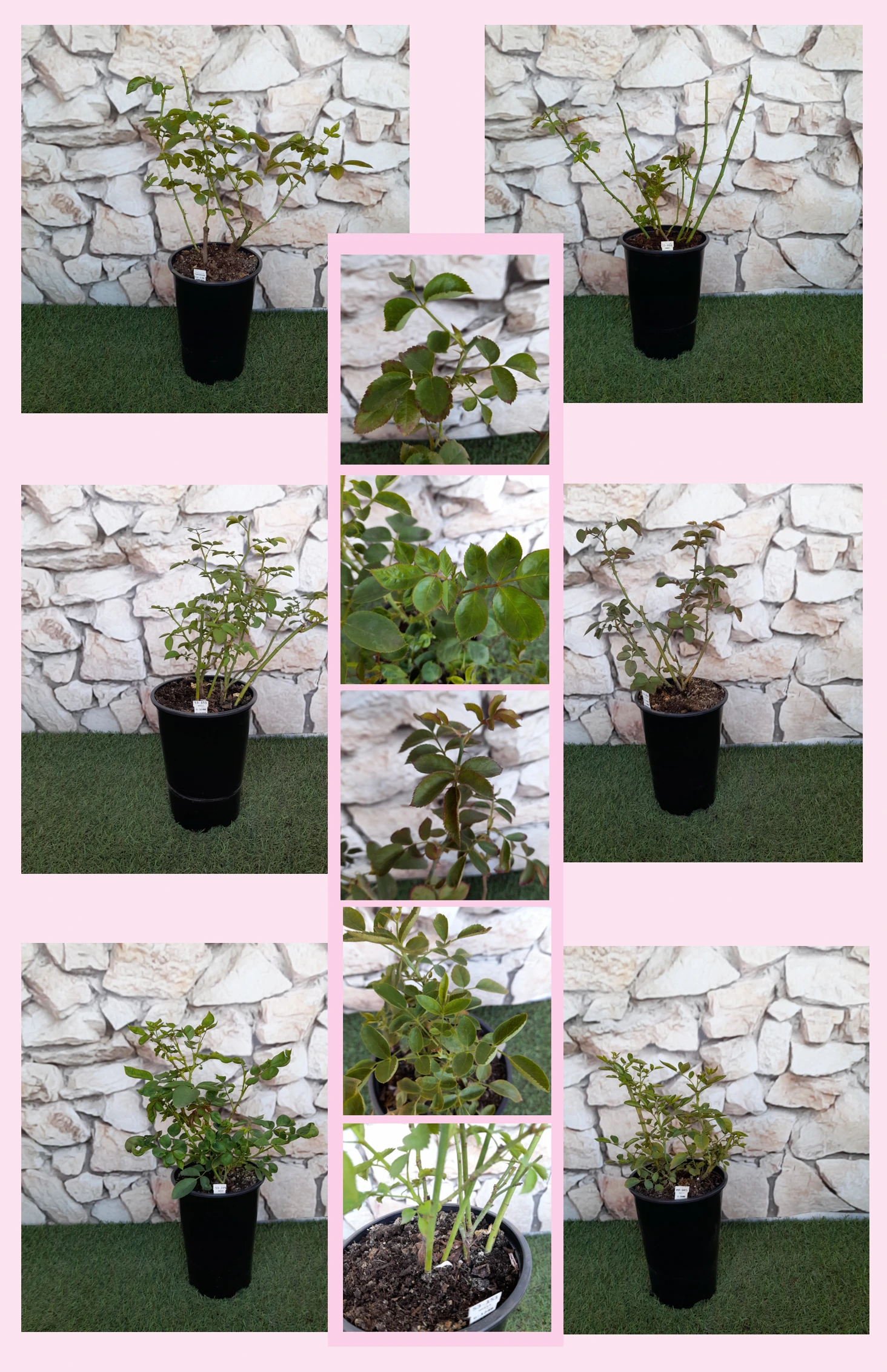
Soft clusters of light pink blooms give everyday front gardens a charming, cottage-style elegance, even when Irish weather feels more drizzle than sunshine. KEMPELEN FARKAS EMLÉKE is a compact, spreading polyantha rose that thrives in modest beds and narrow borders, forming a low, glossy green carpet that flowers generously from early summer into autumn. Semi-double blooms are largely self-cleaning, easing your maintenance on busy weeks, while its own-root form offers reassuring longevity and reliable regrowth after hard pruning or winter knock-backs. Designed for real family gardens that see plenty of rain and need decent drainage, this 2-litre plant settles in steadily – roots in the first year, strong shoots in the second, then full cottage-garden impact by the third.
Usage options
| Target area |
Reasoning |
| Low-maintenance front garden edging |
The compact, spreading habit and semi-double, self-cleaning blooms make it ideal for edging paths or driveways where you want colour without deadheading every weekend. Its own-root form supports long-term performance for beginners and time-poor urban homeowners. |
| Small flower bed in a Dublin terrace |
Where space is tight, this rose’s 40–60 cm height and clustered light-pink flowers create a full look in a shallow bed without overwhelming the space. Medium maintenance with occasional plant protection suits hobby gardeners who want reliable colour but not fussy care. |
| Informal cottage-style strip in a family garden |
The pastel, powder-pink flowers fading softly over time give an old-fashioned cottage feel, perfect along a fence or lawn edge. Repeating flushes keep borders lively through the short Irish summer, appealing to romantic, nature-oriented garden owners. |
| Mass planting for a unified flowerbed |
Recommended spacing of 60 cm for mass planting and good repeat flowering make it suitable for groups that quickly knit together into a coherent, low border. Once established, the own-root structure supports even growth and dependable coverage valued by practical planners. |
| Compact pollinator-friendly corner |
Semi-double flowers with partially accessible stamens provide moderate pollinator interest while still looking neat. Combined with airy perennials, it offers gentle wildlife value without turning the garden wild, suiting cautious beginners who still care about bees. |
| Roses in larger patio containers |
In a well-drained container of at least 40–50 litres, this modestly sized shrub makes a manageable patio feature, especially where beds are on heavy clay and improved drainage in pots is helpful. It supports city dwellers who garden mainly in containers. |
| Family-friendly play garden borders |
The plant’s relatively low height and spreading habit sit well at the front of borders around lawns or play areas, giving colour without towering canes. Being own-root, it recovers more steadily from the odd knock or pruning mishap, reassuring parents and novices. |
| Weather-tolerant bed in exposed sites |
Its dense foliage and modest stature help it cope with blustery, rain-prone conditions, particularly where good drainage is provided on heavier soils in coastal or suburban sites. This reliability makes it appealing for busy, weather-conscious householders and first-time rose growers. |
Styling ideas
- Cottage-Trim Border – Line a front path with repeated groups of this rose and low Calamintha nepeta ‘Blue Cloud Strain’ for a soft, pastel haze – ideal for romantic homeowners who want an easy, storybook entrance.
- Pastel-Cluster Bed – Combine with Liatris spicata ‘Kobold’ and dwarf grasses in a small bed to contrast vertical spikes with rounded pink clusters – good for beginners seeking structure without formal rigidity.
- Family-Friendly Edge – Place a single row along the front of mixed shrub borders so children see flowers at eye level while the plant stays compact – suits young families wanting colour near lawns.
- UrbanTerrace Pots – Use one plant per 40–50 litre container with thyme or low sedum around the base for easy-care summer colour on city patios – perfect for busy professionals with limited soil.
- SoftPark Hedge – In longer beds, plant at hedging distances to form a low, airy pink ribbon that defines spaces without feeling solid – appealing to design-conscious owners of longer, narrow gardens.
Technical cultivar profile
| Property |
Data |
| Name and registration |
Polyantha bedding rose, trade name Kempelen Farkas emléke; exhibition name identical. Part of the Bedding rose collection, commercial group Rósra bhláthchlóis, premium bronze merit rating. |
| Origin and breeding |
Polyantha rose bred by Márk Gergely in Hungary, 1994. Parentage and breeding institution unknown; initially distributed by PharmaRosa Ltd. Introduction and registration years not documented. |
| Growth and structural characteristics |
Low, spreading shrub reaching about 40–60 cm in height with 55–85 cm spread. Dense mid-green, glossy foliage, moderately thorny shoots and a ground-covering habit suited to beds, edging and small hedges. |
| Flower morphology |
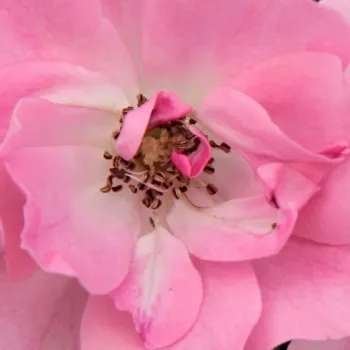
Semi-double, cupped flowers, 1–4 cm across, borne in clusters. Typically 13–25 petals per bloom. Good repeat flowering with a plentiful second flush, and spent blooms generally self-clean naturally from the plant. |
| Colour data and phenology |
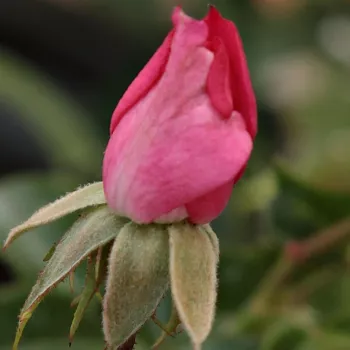
Light pink with slight purplish tint; ARS lp, RHS 65C outer, 65D inner. Buds silky pale pink with lavender veil, fading to pastel powder-pink and eventually a creamy, soft white centre as the flower ages. |
| Fragrance and aroma |
No noticeable scent; classified as unscented. Developed primarily for bedding effect, colour continuity and structural use where fragrance is not a priority, such as public spaces or busy front gardens. |
| Hip characteristics |
Moderately abundant, small spherical hips 6–9 mm in diameter. Orange-red colour adds a discreet seasonal accent in late season without overwhelming the visual effect or creating heavy seeding. |
| Resistance and winter hardiness |
Hardy to about -21 to -18 °C (USDA 6b, RHS H7, Swedish zone 3). Moderate resistance to black spot, powdery mildew and rust; average drought tolerance, so watering is needed during extended dry spells. |
| Horticultural recommendations |
Best in full sun with good drainage, especially on heavier Irish clays. Medium maintenance; occasional plant protection may be needed. Suggested spacing: 50–90 cm depending on use, density up to 3.2 plants/m². |
Kempelen Farkas emléke offers generous repeat flowering, compact edging-friendly growth and steady own-root resilience, making it a thoughtful choice for long-lasting colour in everyday Irish gardens.