KEITSUPIATSU – pink climbing rose – Keisei
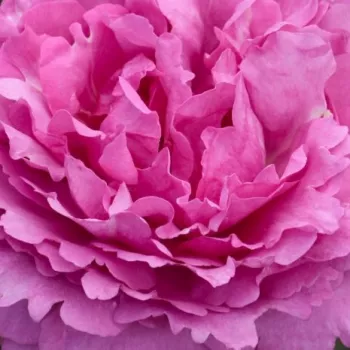
Step out to your front door after a shower and breathe in the fragrance of KEITSUPIATSU, a romantic pink climbing rose designed for effortless charm in Irish cottage paths and Dublin terraces. Its very large, cupped blooms open in waves, bringing a sense of luxury even when you have little time for gardening. Own-root plants settle steadily, giving long-lived security and graceful regrowth if wind, weather or pruning are less than perfect. Ideal for walls, fences and pergolas where you can enjoy cheerful contentment under soft light and a rose-scented canopy, it copes well with cool, damp summers and frequent rainfall along the Atlantic coast. With simple planting, moderate maintenance and reliable rebloom, you can watch it build roots in year one, stronger framework in year two and full garden theatre from year three, bringing enduring pleasure to a family garden.
Usage options
| Target area | Reasoning |
|---|
| Cottage-style front garden arch |
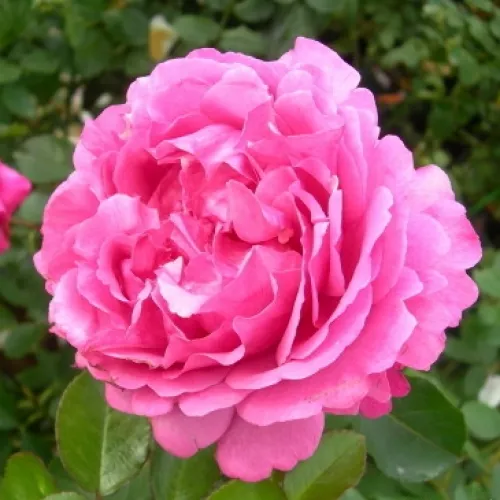
Very large, ruffled deep-pink blooms and a classic cupped form give an instantly romantic look over a path or gate without fussy training, ideal for a welcoming cottage-style entrance for the beginner. |
| Perfumed seating corner |
The very strong sweet-citrus rose fragrance is easily noticeable at a distance, so a single plant near a bench or small patio can perfume the whole area, suiting fragrance-loving homeowners. |
| Family pergola or outdoor dining area |
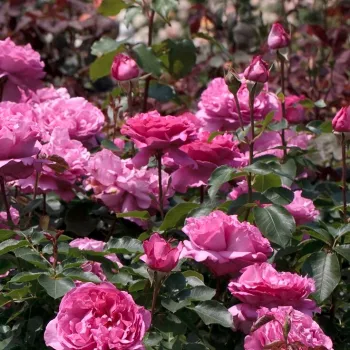
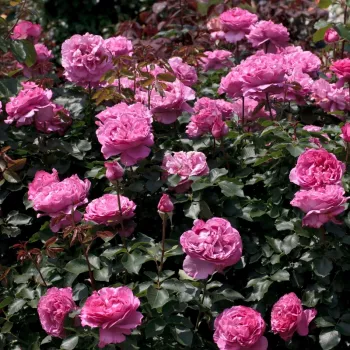
Climbing growth to around 2,5 m with moderately dense mid-green foliage creates a soft, dappled canopy over a pergola, giving shade, privacy and romance for families who like relaxed summer meals outside. |
| Dublin terraced-house front wall |
The moderate maintenance need and resistance to powdery mildew and black spot mean simple pruning and occasional checks are enough, supporting those wanting reliable colour on a front wall with minimal effort. |
| Long-term feature on fence or trellis |
As an own-root climber, it rebuilds from the base if damaged, avoiding graft failures and supporting a long-lived framework over many seasons, reassuring planners of durable structure in a family garden. |
| Irish cottage mixed border backdrop |
The generous repeat flowering, with a strong second flush, keeps colour coming through a short Irish summer, extending interest behind perennials so beds never feel bare for busy hobby gardeners. |
| Clay-soil suburban boundary |
Once given good initial drainage and mulch, its moderate drought tolerance and sturdy frame handle exposed sites where cool winds and regular rain are common, giving confidence to coastal and suburban owners. |
| Statement rose in a large patio container |
In a 40–50 litre container with quality compost and drainage, its upright climbing habit and extra-large blooms quickly create a showpiece by a doorway, suiting urban gardeners with limited space. |
Styling ideas
- COTTAGE CURTAIN – Train KEITSUPIATSU over a low arch with foxgloves and airy grasses beneath for a soft, storybook entrance – ideal for romantic cottage-garden lovers.
- PINK PROMENADE – Cover a front-garden railing with its deep pink blooms, underplanting with lavender for scent contrast – perfect for city terrace owners who want charm from the pavement.
- EVENING PERGOLA – Let it climb a timber pergola with white clematis, creating scented shade over a dining table – suited to families who enjoy relaxed outdoor meals.
- COURTYARD FOCUS – Grow one plant in a 50-litre pot beside a door, paired with potted herbs for a lush yet manageable display – good for busy urban gardeners.
- ROMANTIC BACKDROP – Use along a boundary fence behind soft pink perennials and catmint to frame a lawn with gentle colour – for homeowners wanting a soothing, unified view.
Technical cultivar profile
| Parameter | Data |
|---|
| Name and registration |
Climbing hybrid tea, large-flowered climber; registered as KEItsupiatsu, marketed as KEITSUPIATSU Romantica; commercial climber type within the Rós dreapadó group for ornamental garden use. |
| Origin and breeding |
Sport of ‘Yves Piaget’, bred by Keisei Rose Nursery in Japan in 2005; introduced to Europe by Meilland Richardier in 2016, combining classic Romantica styling with climbing vigour. |
| Growth and structural characteristics |
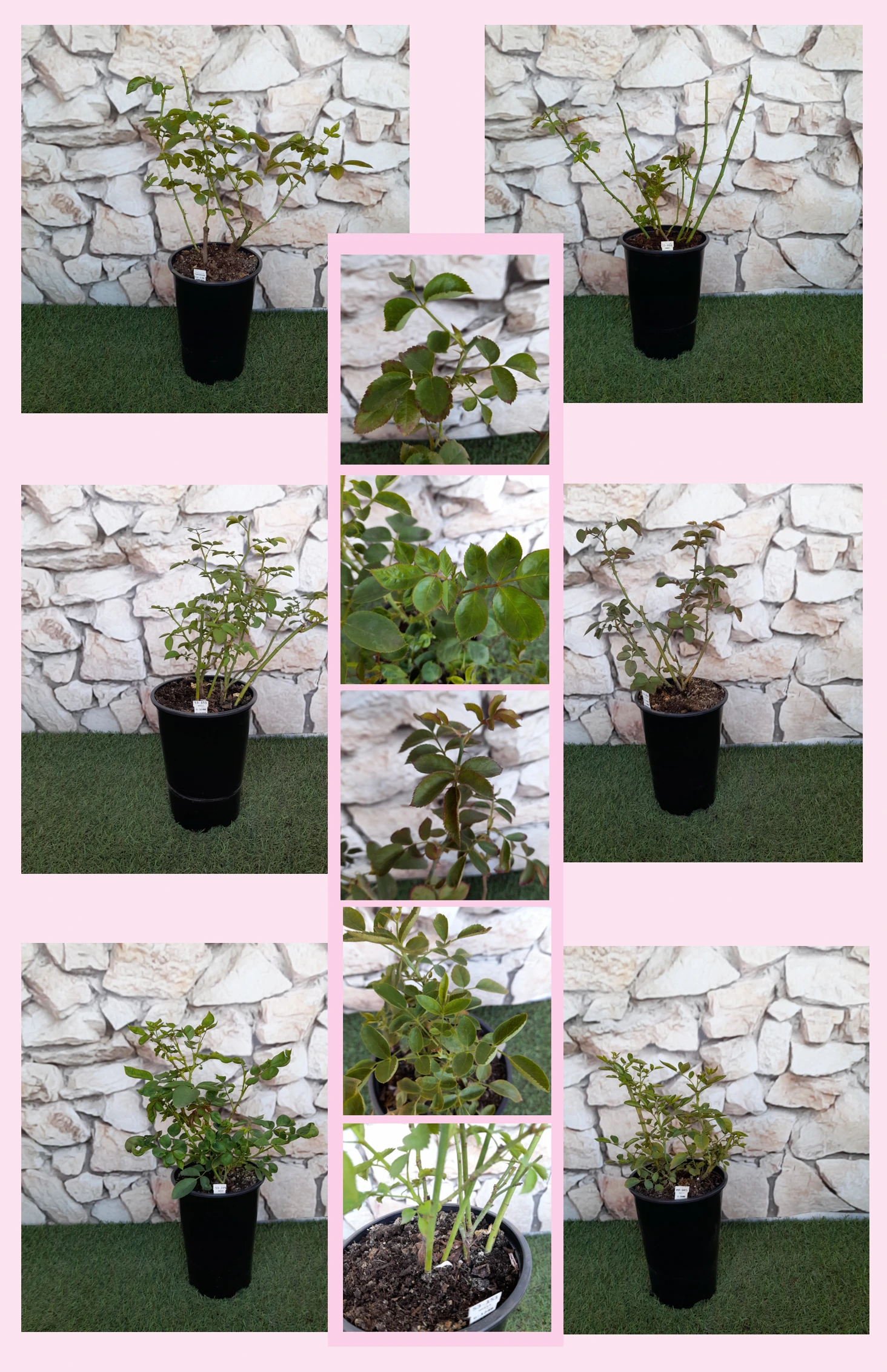
Climbing habit reaching about 160–260 cm high with 120–200 cm spread; moderately dense, mid-green, slightly glossy foliage; framework moderately thorny, suited to training on walls, arches and pergolas. |
| Flower morphology |
Very double, cupped blooms over 10 cm across, typically borne singly; more than 40 petals form a ruffled, old-rose style rosette; remontant, with a particularly generous second flush in season. |
| Colour data and phenology |
Vivid fuchsia buds open deep pink (RHS 57B outer, 58C inner) with silvery-pink edges; petals fade towards powder pink with a soft silvery sheen, lightening further in strong sun as blooms age. |
| Fragrance and aroma |
Very strongly scented climbing rose with a rich, sweet-citrus and classic rose character; fragrance is detectable from a distance in still air, especially around seating areas and sheltered paths. |
| Hip characteristics |
Rose hips form sparsely because of the very double flowers; occasional small, spherical red hips about 9–15 mm in diameter may appear late in the season, adding a modest decorative accent. |
| Resistance and winter hardiness |
Moderate overall disease resistance; resistant to powdery mildew and black spot, moderately susceptible to rust; hardy to around –21 to –18 °C, corresponding to USDA zone 6b and Swedish zone 3. |
| Horticultural recommendations |
Best on well-drained soil with organic mulch; spacing 140–250 cm depending on use; suitable for partial shade; needs occasional deadheading and light pruning, plus watering during extended dry spells. |
KEITSUPIATSU offers powerful fragrance, repeat flowering and a lasting climbing framework on its own roots, making it a thoughtful choice for those planning a dependable, romantic feature in a family garden.