KAOLIKAZALI – coral nostalgia rose – Kunieda
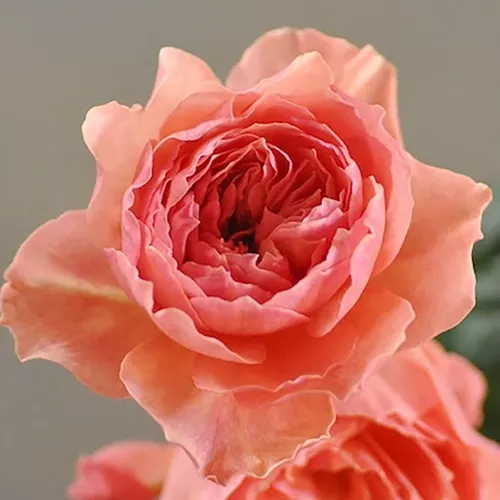
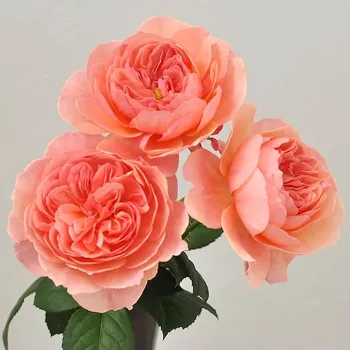
Step outside after the rain and let KAOLIKAZALI wrap your garden in a veil of soft, coral colour, bringing a sense of gentle romance to even the smallest Dublin terrace or Irish cottage front garden. This bushy shrub rose forms a naturally rounded shape, ideal where you want impact without fussy pruning, and it copes reliably with cool summers and frequent showers, even where drainage needs a little care. Extra-large, rosette blooms unfold from deep buds to peachy, creamy tones that stay decorative on the plant for days, giving you generous flowering from early summer well into autumn. Grown on its own roots, it settles steadily, building a long-lived framework that supports richer flowering year after year.
Usage options
| Target area |
Reasoning |
| Cottage-style front garden feature |
Use KAOLIKAZALI as a welcoming focal shrub near the gate or front door, where its naturally bushy habit and XL blooms give a romantic cottage feel without complex pruning, ideal for a softly traditional look for the homeowner. |
| Small urban garden bed |
Its compact 85–115 cm height and 60–80 cm spread fit neatly into small beds, while repeat flowering keeps limited space colourful all season, suiting busy city gardens where you need reliable effect from a single shrub for the urbanite. |
| Low, informal flowering hedge |
Planted at about 50–60 cm centres, KAOLIKAZALI forms a loose, low hedge with dense foliage that looks good even between flushes, ideal along paths or boundaries where you want privacy softened by nostalgic coral roses for the family. |
| Cutting border for home bouquets |
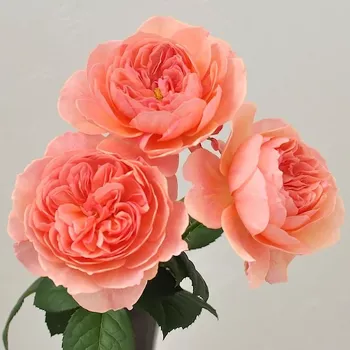
Its solitary, extra-large rosette blooms on strong stems are excellent for cutting, with the colour shifting beautifully from vivid coral-orange to peach and cream, giving you luxury-style flowers straight from the garden for the enthusiast. |
| Specimen rose in a mixed border |
Set as a single specimen among perennials and grasses, the dark green, slightly glossy foliage and warm coral tones stand out, providing long-season structure and colour without constant attention for the beginner. |
| Container on patio or terrace (large pot) |
In a 40–50 litre or larger container with good drainage, KAOLIKAZALI offers a generous shrub presence on balconies or patios; own-root growth helps it recover well if pot drying or pruning mistakes occur for the balcony-owner. |
| Long-term planting in family garden beds |
As an own-root shrub it builds a durable framework that can regenerate from the base, giving a long lifespan; think of year one for roots, year two for strong shoots, and year three for full garden presence for the planner. |
| Rainy, cool-summer Irish gardens |
Tolerant of cool, damp conditions, KAOLIKAZALI copes well with frequent Atlantic showers when planted in well-drained soil, making it a dependable choice where summers are short but you still want repeat flowering for the pragmatist. |
Styling ideas
- Cottage-Romantic Row – Plant a short row by the front path, underplant with Nepeta x faassenii to echo the coral blooms with soft blue haze – for lovers of classic cottage charm.
- Terraced-Front Focus – Use a single shrub between two dwarf Taxus baccata for structure, letting KAOLIKAZALI provide seasonal colour against evergreen depth – for city-front gardeners.
- Peachy-Pastel Border – Combine with pale pink and cream perennials so the coral-to-peach fade of the flowers blends into a gentle, feminine scheme – for romantic stylists.
- Water’s-Edge Softness – Pair with Lythrum salicaria near a damp-prone spot, using the rose slightly raised for drainage so the vertical mauve spikes frame the warm coral flowers – for nature-leaning planters.
- Luxury-Cutting Corner – Dedicate a small bed to three shrubs spaced for access, giving a steady supply of large, nostalgic blooms for arranging indoors – for home bouquet makers.
Technical cultivar profile
| Characteristic |
Data |
| Name and registration |
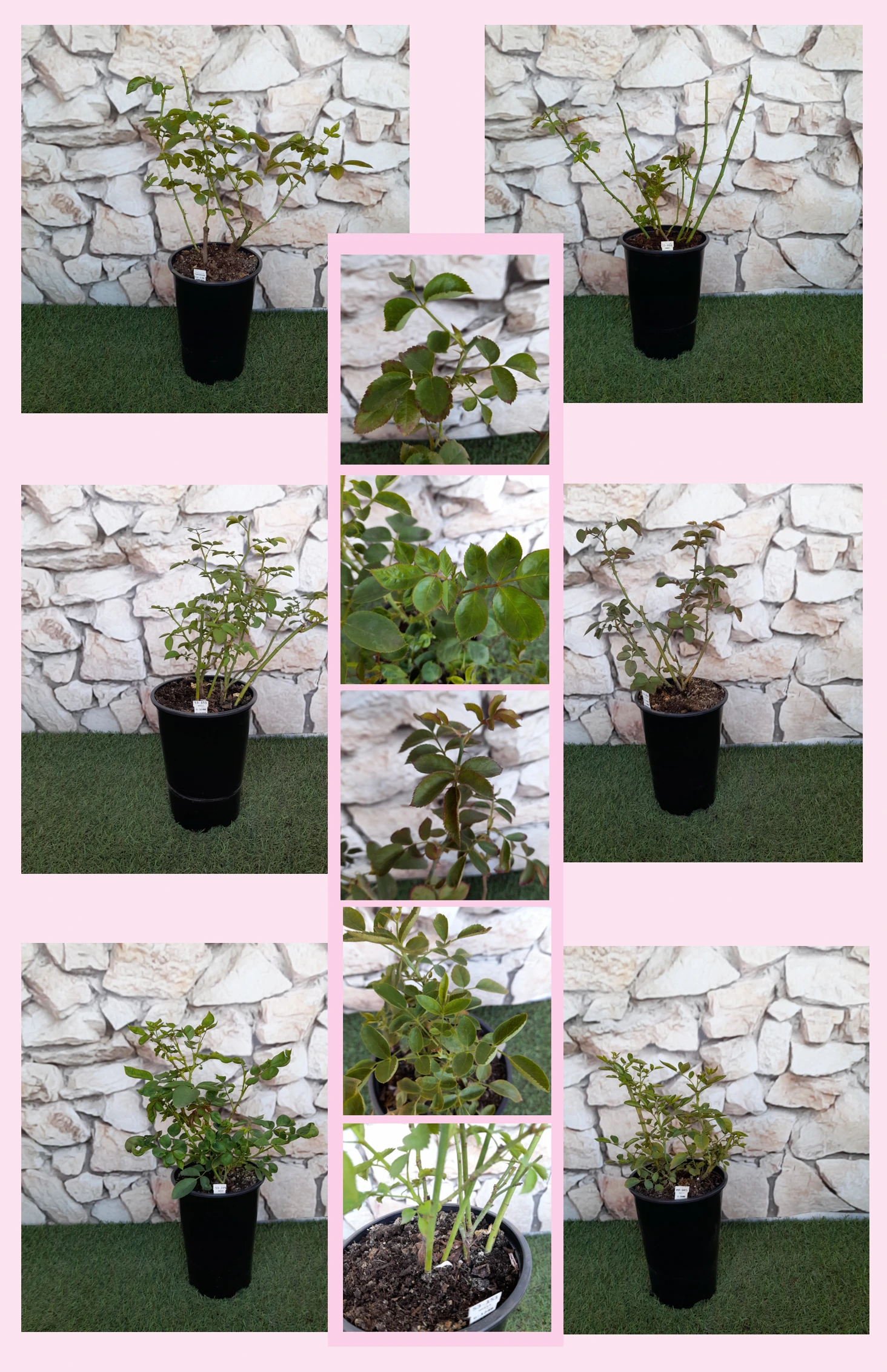
KAOLIKAZALI – coral nostalgia rose – Kunieda; shrub, Romantic rose collection, commercial group Rós rómánsúil; trade names include Kaolikazali Romantic rose Kunieda; own-root, container-grown form. |
| Origin and breeding |
Bred by Kunieda Keiji at Rose Farm Keiji, Shiga, Japan; introduced in Japan in 2012 and internationally from 2017; parentage not publicly disclosed by the breeder. |
| Growth and structural characteristics |
Bushy shrub rose reaching about 85–115 cm high and 60–80 cm wide; naturally rounded habit with dense, dark green, slightly glossy foliage and moderate prickliness on stems. |
| Flower morphology |
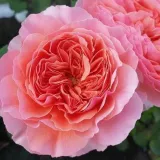
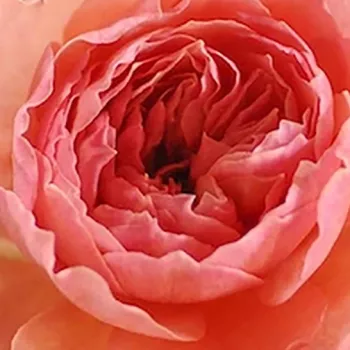
Extra-large, double rosette blooms over 10 cm across; approximately 26–39 petals; produced mainly as solitary flowers; remontant with a strong second flush and further repeats in good conditions. |
| Colour data and phenology |
Moderately deep coral-orange with subtle pink undertone; buds deep coral, opening to warm coral, then fading towards peach and creamy edges; ARS OP, RHS 40B outer and 36A inner petal codes. |
| Fragrance and aroma |
Fragrance is very weak and only barely perceptible on most days; described as softly sweet when detectable; chosen primarily for colour effect and flower form rather than strong scent. |
| Hip characteristics |
Due to very double flowers, hip set is typically low; where formed, hips are small, spherical, about 8–12 mm, with orange-red colouring and minimal ornamental impact in most garden settings. |
| Resistance and winter hardiness |
Hardy to around −21 to −18 °C (RHS H7, USDA 6b, Swedish zone 3); medium resistance to black spot, mildew and rust; prefers sunny, airy sites with well-drained soil and regular monitoring. |
| Horticultural recommendations |
Best in full sun; plant at 50–90 cm depending on use; spacing of 2.8–3.2 plants/m² for massing; moderate maintenance with occasional pest and disease control and thoughtful watering in dry spells. |
KAOLIKAZALI offers generous repeat flowering, a naturally tidy shrub form and adaptable container or border use, while its own-root vigour supports long garden life; an attractive option if you prefer roses that quietly look after themselves.