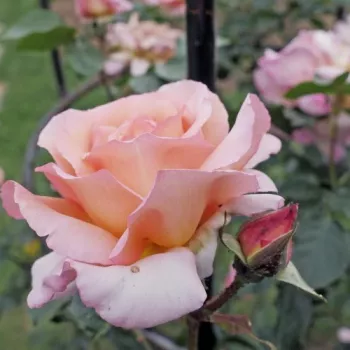
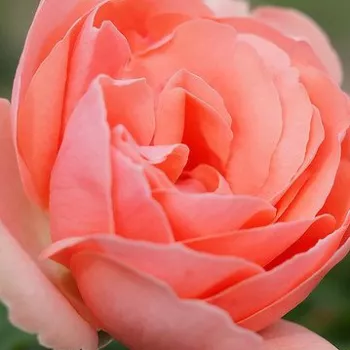
JOSIANE PIERRE-BISSEY – apricot-pink bedding polyantha rose - Ducher
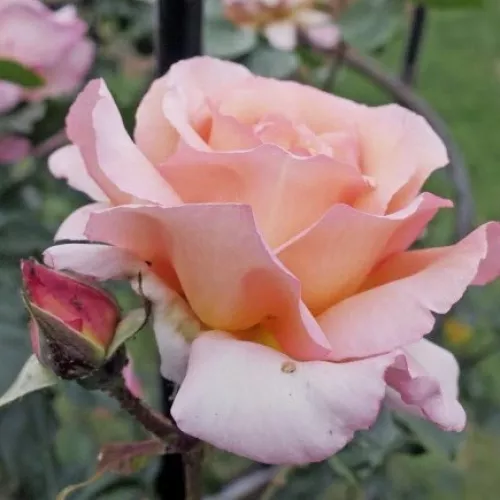
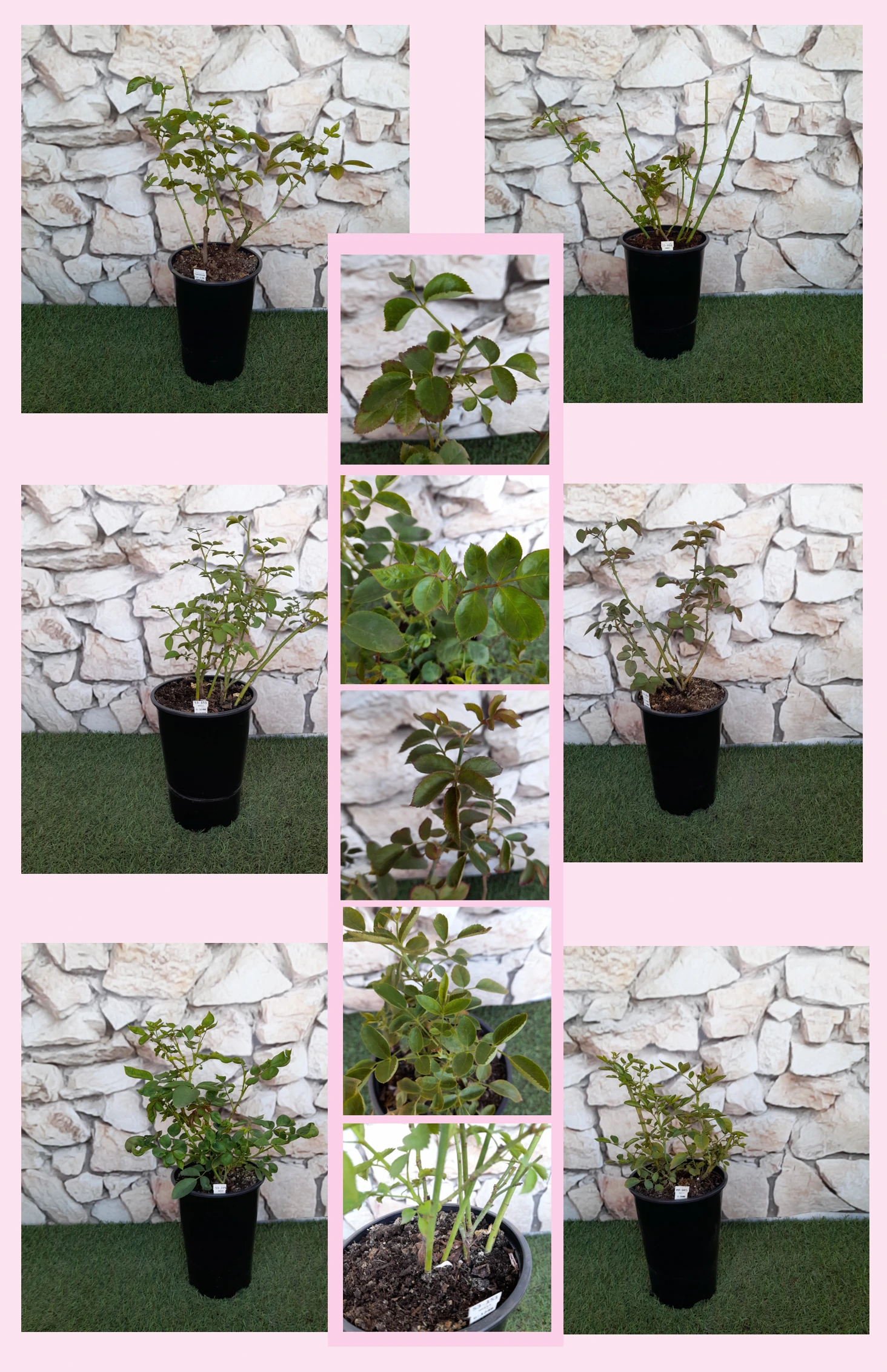
If you dream of a soft, romantic cottage look without demanding upkeep, Josiane Pierre‑Bissey settles calmly into Irish family gardens, coping well even where soil stays heavy after rain and needs improved drainage. Clusters of flowers appear in generous flushes from early summer well into autumn, filling borders and front gardens with a cheerful, powdery colour shift from peach‑pink to cream. Its bushy, compact habit keeps everything neat in smaller spaces, ideal beside paths or under windows where you enjoy its light, fruity fragrance at close range. As an own‑root rose it develops steadily for long‑term lifespan, regenerating well after pruning or weather setbacks and holding its ornamental value year after year. Over roughly three years it builds from root strength, to confident shoots, to full garden presence, offering satisfying ease for beginners and busy gardeners alike.
Usage options
| Target area |
Reasoning |
| Front garden border in a Dublin terrace street |
The compact, bushy habit and medium height make this rose perfect for narrow front borders where space is tight but you still want a generous, romantic look. Its structured form stays tidy without complicated pruning, suiting low‑maintenance town gardens and gently enhancing kerb appeal for the busy urban homeowner. |
| Cottage-style mixed flower bed |
Strong remontant flowering gives repeated flushes of apricot‑pink blooms, weaving naturally among perennials for a long season of interest. Plant at about 40 cm spacing in groups for a billowing effect that echoes traditional cottage borders yet remains easy for informal gardeners to manage, ideal for the relaxed country rose‑lover. |
| Long-term structural rose bed in a family garden |
As an own‑root shrub, it builds a durable framework that rebounds well from pruning or occasional weather damage, supporting a long garden life with stable looks. Once established, it forms part of a reliable planting plan you can design around for years, helpful for the forward‑planning homeowner. |
| Informal low hedge along a path or drive |
Planted at around 35 cm centres, its dense foliage and bushy branching create a soft, flowering edge without harsh lines. The repeated blooming and medium maintenance needs keep it attractive most of the season with only light annual trimming, a gentle solution for the informal boundary‑maker. |
| Large container on patio or balcony |
In a 40–50 litre pot with good drainage, this variety’s compact spread and medium height allow you to enjoy clusters of pastel flowers close to seating areas. Regular watering and a yearly feed are usually enough to maintain the plant in good shape, making it practical for the time‑pressed balcony gardener. |
| Family lawn island bed with seasonal interest |
Its long flowering period from early summer to autumn, followed by small orange‑red hips, keeps an island bed lively well beyond the first flush. Children notice the colour shifts and berries, while adults appreciate the gentle structure that anchors surrounding perennials, suiting the family‑centred garden user. |
| Wildlife‑aware ornamental corner |
Moderate hip production and dense, moderately thorny branches create some shelter and food value for birds and small wildlife, even though the double flowers are only partially pollinator‑friendly. Combined with single‑flowered companions, it supports a softer ecological balance for the nature‑oriented planter. |
| Clay-soil bed improved with compost and mulch |
This rose suits typical Irish conditions when set into clay that has been loosened with organic matter, with a surface mulch helping roots stay cool and moist as the plant matures. Over time it forms a resilient shrub that handles damp spells and cool summers reliably, reassuring for the cautious beginner gardener. |
Styling ideas
- Cottage-Romantic – Mass three or five plants with Rudbeckia fulgida and airy grasses to echo a soft Irish cottage garden, perfect for sentimental front‑garden owners.
- Pastel-Pathway – Line a short path with closely spaced shrubs and low evergreen St John’s wort for year‑round structure and gentle colour, ideal for neat but busy householders.
- Balcony-Haven – Grow one plant in a 50 litre container with trailing herbs for scent and easy summer care, suited to apartment dwellers who value low‑effort charm.
- Family-Island – Place in the centre of a lawn island with black‑stemmed Artemisia and coneflowers for long‑season interest children can enjoy, great for playful family gardeners.
- Soft-Hedging – Create a low, flowering screen near seating, combining this rose with cottage perennials to add privacy and structure for sociable outdoor hosts.
Technical cultivar profile
| Parameter |
Data |
| Name and registration |
Polyantha bedding rose, trade name JOSIANE PIERRE-BISSEY – apricot‑pink bedding polyantha rose - Ducher; shrub rose exhibition category; no separate ARS registration listed to date. |
| Origin and breeding |
Bred by Fabien Ducher, Roseraie Ducher, Lyon, France; introduced and registered around 2011, with the same nursery as initial distributor; parentage not publicly documented. |
| Growth and structural characteristics |
Bushy shrub to about 70–95 cm high and 50–75 cm wide, with dense, mid‑green, slightly glossy foliage and moderate prickles; forms a compact, rounded outline suitable for beds and low hedging. |
| Flower morphology |
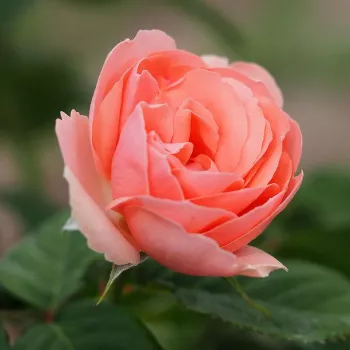
Fully double, cup‑shaped blooms, typically 4–7 cm across, borne in clusters on branching stems; petal count generally in the 26–39 range, with strong remontant flowering and generous repeat flushes. |
| Colour data and phenology |
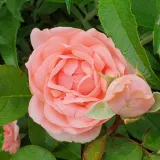
Peach‑pink flowers with a light pink rim; buds pale peach, opening warm peach‑cream, then softening through powder pink to cream with good colour retention and an overall even, pastel appearance in bloom. |
| Fragrance and aroma |
Mild, fresh, fruity fragrance best appreciated at close range in still air; primarily grown for its ornamental display, yet offering a pleasant, unobtrusive scent that complements seating areas and paths. |
| Hip characteristics |
Produces spherical orange‑red hips about 6–9 mm across in moderate quantities; hips add a small measure of late‑season interest and some wildlife value after the main flowering period. |
| Resistance and winter hardiness |
Hardy to around −21 to −18 °C (H7, USDA 6b); disease resistance rated medium for black spot, powdery mildew and rust, needing occasional monitoring and treatment under high disease pressure. |
| Horticultural recommendations |
Best in fertile, well‑drained soil with regular moisture; plant 35–65 cm apart depending on use; suitable for beds, low hedging and large containers, with medium maintenance and periodic pest or disease care. |
JOSIANE PIERRE-BISSEY offers compact structure, repeat apricot-pink flowering and a reassuringly long own-root lifespan, making it a thoughtful choice if you would like dependable cottage charm with modest upkeep.