JOHN DAVIS – pink park rose – Svejda
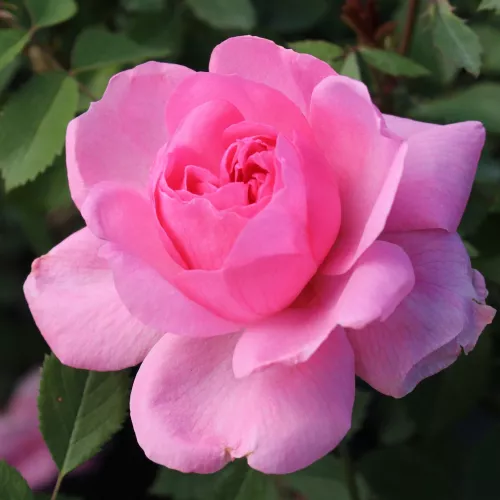
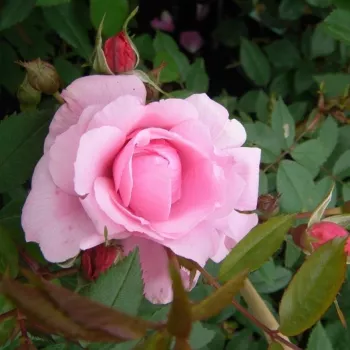
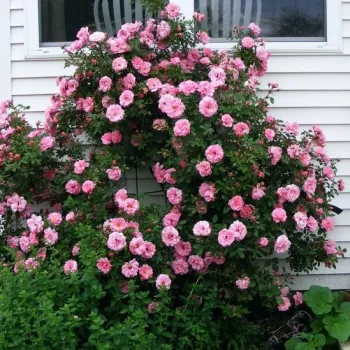
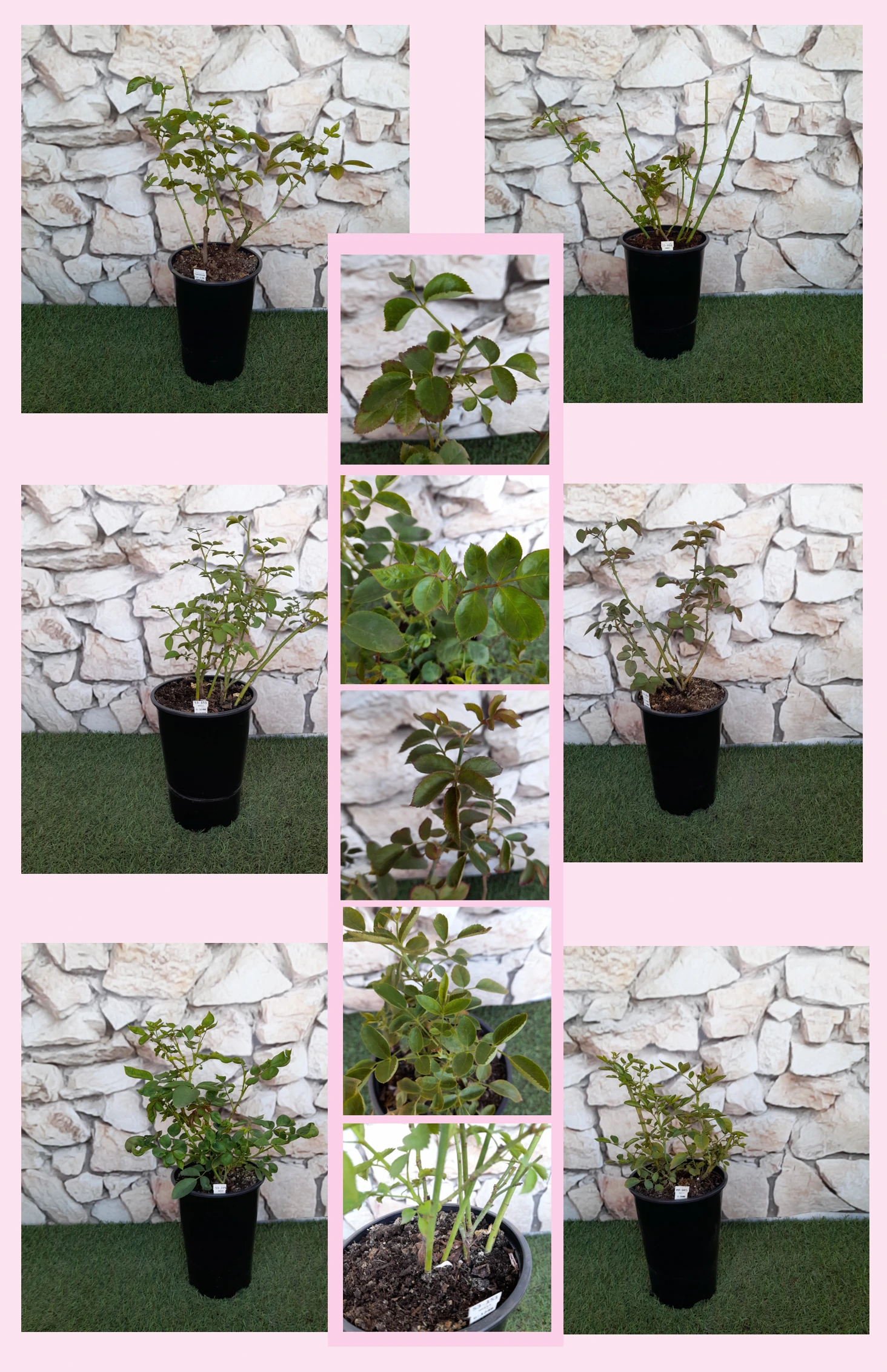
Bring a touch of cottage-garden charm to your front path with JOHN DAVIS, a pink park rose that clothes arches, fences and walls in soft, romantic colour while shrugging off brisk coastal breezes and rainfall. Bred in Canada to endure real winters, its long canes and dense mid-green foliage create a generous, almost storybook backdrop for daily life, from school runs to evening strolls. Large, cupped clusters of very double blooms open deep pink, then gently fade to pastel with paler outer petals, giving you waves of colour through the season and a light, spicy fragrance that feels quietly luxurious rather than overpowering. As an own-root rose, JOHN DAVIS builds strength from below first, with roots in year one, more confident shoots in year two and full garden presence by year three, rewarding a little patience with many years of reliable, easy-going beauty.
Usage options
| Target area |
Reasoning |
| Cottage-style front garden arch |
Long, arching canes and dense foliage make JOHN DAVIS ideal for covering a simple metal or wooden arch, giving a soft pink tunnel beside the path with minimal training. It flowers repeatedly, so the arch looks welcoming for months for the front-garden romantic. |
| Family boundary fence or railing |
Planted 130–140 cm apart, this shrub rose quickly clothes a fence with glossy leaves and clusters of large, full blooms, giving privacy without feeling heavy or formal. Self-cleaning flowers reduce tidying, suiting the busy homeowner. |
| Low-maintenance cottage border backbone |
Use JOHN DAVIS as a structural backdrop in a mixed border, where its repeat flowering and generous height give your perennials something to lean against. Good self-cleaning keeps borders looking fresh, reassuring the relaxed cottage-gardener. |
| Climbing feature on a pergola or porch |
The naturally climbing, trailing habit lets you guide canes over a pergola or terrace frame for a soft, shady canopy of pink. Extremely hardy wood ensures the framework fills out year after year for the long-term planner. |
| Irish cottage garden in cooler, damp areas |
Bred for harsh Canadian conditions, JOHN DAVIS tolerates cool, wet summers, making it a sound choice where roses can sulk in Atlantic breezes and frequent showers. With basic spraying it stays presentable for the weather-aware gardener. |
| Partial-shade Dublin terrace front |
This variety accepts partial shade, so it can flower happily against a north-east or north-west facing city house where sun hours are limited. Its tall, slim footprint suits narrow plots, encouraging the space-conscious urbanite. |
| Long-lived family garden feature planting |
As an own-root shrub, JOHN DAVIS regenerates from its base if damaged, avoiding graft failures and keeping its shape and colour stable for many seasons, which gives peace of mind to the longevity-focused buyer. |
| Large container by the front door |
In a 40–50 litre container with good drainage, JOHN DAVIS provides months of flowers and a welcoming scent right by the step, while roots gradually strengthen before you decide on a permanent garden position, suiting the careful beginner. |
Styling ideas
- Cottage-arch romance – Train JOHN DAVIS over a simple arch, underplant with clustered bellflower and low catmint for a frothy, pastel walkway – ideal for cottage-garden dreamers and front-path improvers.
- Soft-pink hedgerow – Plant in a loose line along a boundary and weave in Artemisia ‘Nana’ for silver contrast, giving a relaxed, wildlife-friendly screen – perfect for families wanting gentle enclosure.
- Dublin terrace welcome – Grow in a large 50 litre pot by the door with spring bulbs and trailing ivy to enjoy scent and colour in a tight space – suited to city dwellers with compact front gardens.
- Pergola curtain – Let the long canes drape from a pergola beam, interplanting with clematis in complementary purples for layered bloom – attractive for those creating an outdoor sitting room.
- Park-style focal point – Use as a specimen at 220 cm spacing with a ring of low grasses and hardy geraniums to echo public-park planting at home – appealing to gardeners seeking a mature, long-term feature.
Technical cultivar profile
| Aspect |
Data |
| Name and registration |
Trade name JOHN DAVIS, a park shrub rose in the Shrub, Hybrid Kordesii group; ARS exhibition name JOHN DAVIS; commercial type park rose; masculine given-name cultivar meaning. |
| Origin and breeding |
Bred by Felicitas Svejda in Canada (1977) at Agriculture and Agri-Food Canada, Central Experimental Farm, Ottawa; parentage Rosa ‘Kordesii’ × (‘Red Dawn’ × ‘Suzanne’); introduced after 1986. |
| Awards and recognition |
Holds the Earth-Kind® North excellence rating from Texas A&M University (2007), highlighting its combination of ornamental value and performance in low-input landscape conditions. |
| Growth and structural characteristics |
Strong, climbing shrub with arching, trailing canes; height around 200–280 cm, spread 150–220 cm; dense, glossy mid-green foliage (approx. RHS 137A); moderately thorny; good natural self-cleaning of spent blooms. |
| Flower morphology |
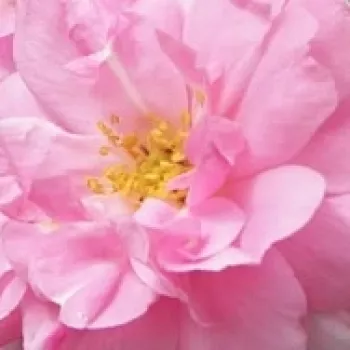
Large, cupped clusters of very double flowers, typically 7–10 cm across with over 40 petals; remontant with an abundant second flush; flowers carried in clusters, creating generous displays along the canes. |
| Colour data and phenology |
Overall pink (ARS Pk; RHS 58C, 62B); buds deep rich pink, opening vivid mid-pink, then softening to pastel with near-white outer petals; colour retention moderate, giving natural shading as blooms age. |
| Fragrance and aroma |
Medium-strength scent with a lightly spicy character; noticeable at close range without being overpowering, adding sensory interest along paths, arches and seating areas in family gardens. |
| Hip characteristics |
Occasional small, ellipsoid red hips, about 8–12 mm in diameter; decorative in autumn but not produced in heavy quantities, adding a light seasonal accent rather than a major display. |
| Resistance and winter hardiness |
Extremely hardy to approximately −40 to −37 °C (RHS H7; Swedish zone 6; USDA 3a); disease resistance medium to powdery mildew and black spot, very sensitive to rust, so regular monitoring and protection are advised. |
| Horticultural recommendations |
Best in well-drained but moisture-retentive soil with a neutral to slightly acidic pH; allow 130–220 cm spacing; suitable for partial shade; water during prolonged heat and apply preventive fungicide where rust pressure is high. |
JOHN DAVIS offers romantic pink clusters, repeat flowering and exceptional hardiness on a stable own-root framework, making it a thoughtful choice for a long-lived, low-fuss feature in your garden.