JOHN CABOT – pink climbing rambler rose - Svejda
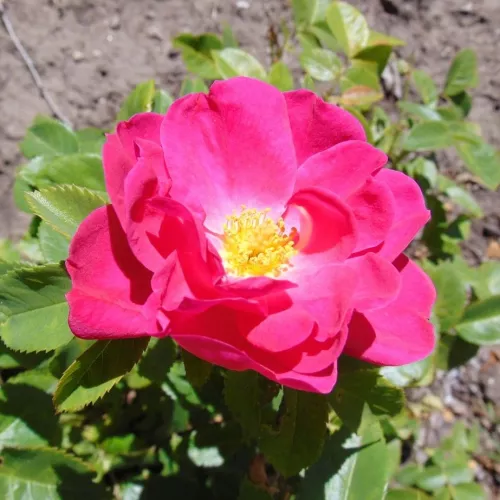
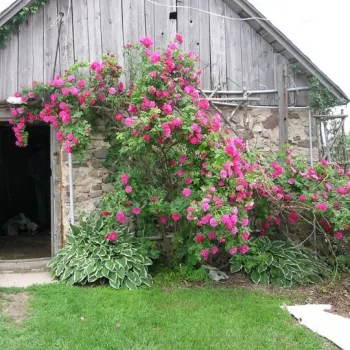
Let John Cabot bring gentle cottage-garden charm to your walls and fences, clothing them in long trusses of semi-double deep pink blooms that soften to powdery pastels in summer’s light. Bred in Canada for extreme winter hardiness, it shrugs off cold snaps and Atlantic breezes while coping well with Irish rainfall and the need for reliable performance in changeable weather. Once established on a trellis, pergola, or house front, its vigorous climbing habit and glossy foliage create a romantic screen, with occasional orange-red hips for autumn colour, giving your garden a lived-in, timeless feel.
Usage options
| Target area |
Reasoning |
| Front garden climber for terraced houses |
Ideal where space is tight but vertical height is available, this vigorous climber quickly clothes railings or façades, turning a plain Dublin terrace into a welcoming, flower-framed entrance; best for the style-conscious homeowner |
| Irish cottage-garden pergola or arch |
Strong, flexible canes and generous repeat flowering make it perfect for training over an arch or rustic pergola, creating that soft, “girly” tunnel of pink blooms loved in cottage gardens; ideal for romantic-minded beginners |
| Wind-exposed or colder rural sites |
Selected for Canadian winters down to around -40 °C, this rose offers peace of mind in exposed Irish spots where frost and strong winds can be a worry; a reassuring option for weather-aware gardeners |
| Low-maintenance family backdrop planting |
Once tied in and shaped, its dense, leafy growth and self-cleaning tendency reduce daily fuss, giving a leafy green backdrop and regular colour with modest deadheading; well suited to time-pressed families |
| Partial-shade side passages and north-east walls |
Tolerant of partial shade, it brings life and colour to side alleys and cooler aspects where many roses sulk, helping you make use of awkward corners; a smart choice for practical urban owners |
| Pollinator-accent planting with perennials |
Semi-double blooms offer some accessible nectar, and when paired with pollinator favourites like echinacea and campanula it helps support garden biodiversity; attractive to nature-oriented buyers |
| Long-term, resilient garden structure |
As an own-root climber, it can regenerate from its base if weather or pruning are harsh, building a stable framework that keeps its shape and flowers for many years; reassuring for long-horizon planners |
| Statement specimen on sturdy obelisk or pillar |
Its height and branching habit make an eye-catching vertical accent from about the third growing season onwards, as roots, then shoots, then full display steadily develop; perfect for patient garden enthusiasts |
Styling ideas
- Cottage-porch welcome – Train John Cabot around a small porch with white-painted timber, underplant with lavender and campanula for a soft, old-fashioned entry – ideal for homeowners who love a storybook feel
- Romantic pergola walk – Drape it over a wooden pergola with Liatris spicata 'Alba' and pink foxgloves beneath, creating a pastel corridor of movement and texture – suited to gardeners seeking a dreamy, “girly” retreat
- Terraced-front statement – Grow it flat against railings or a house wall with neat box edging and pots of salvias, balancing romantic blooms with city-smart structure – great for style-aware urban dwellers
- Wildlife-friendly corner – Let its clusters mingle with echinacea and ornamental grasses so blooms, hips and seedheads offer seasonal interest and some insect appeal – perfect for nature-oriented families
- Obelisk focal point – Plant it by a sturdy 40–50 litre container or in-ground obelisk for a tall, flowered column that anchors a small lawn or patio – ideal for beginners wanting one strong feature
Technical cultivar profile
| Trait |
Data |
| Name and registration |
John Cabot is a rambler-type climbing rose from the Rós dreapadó group, marketed as JOHN CABOT – pink climbing rambler rose - Svejda, recognised by the American Rose Society under the name John Cabot. |
| Origin and breeding |
Bred by Felicitas Svejda at Agriculture Canada, Ottawa, from Rosa kordesii crossed with (‘Masquerade’ × Rosa laxa); breeding completed 1969, registered 1978, introduced after 1978 for cold-climate gardens. |
| Awards and recognition |
Holds the Royal Horticultural Society Award of Garden Merit, indicating reliable garden performance, sound ornamental value and generally dependable flowering under a broad range of temperate garden conditions. |
| Growth and structural characteristics |
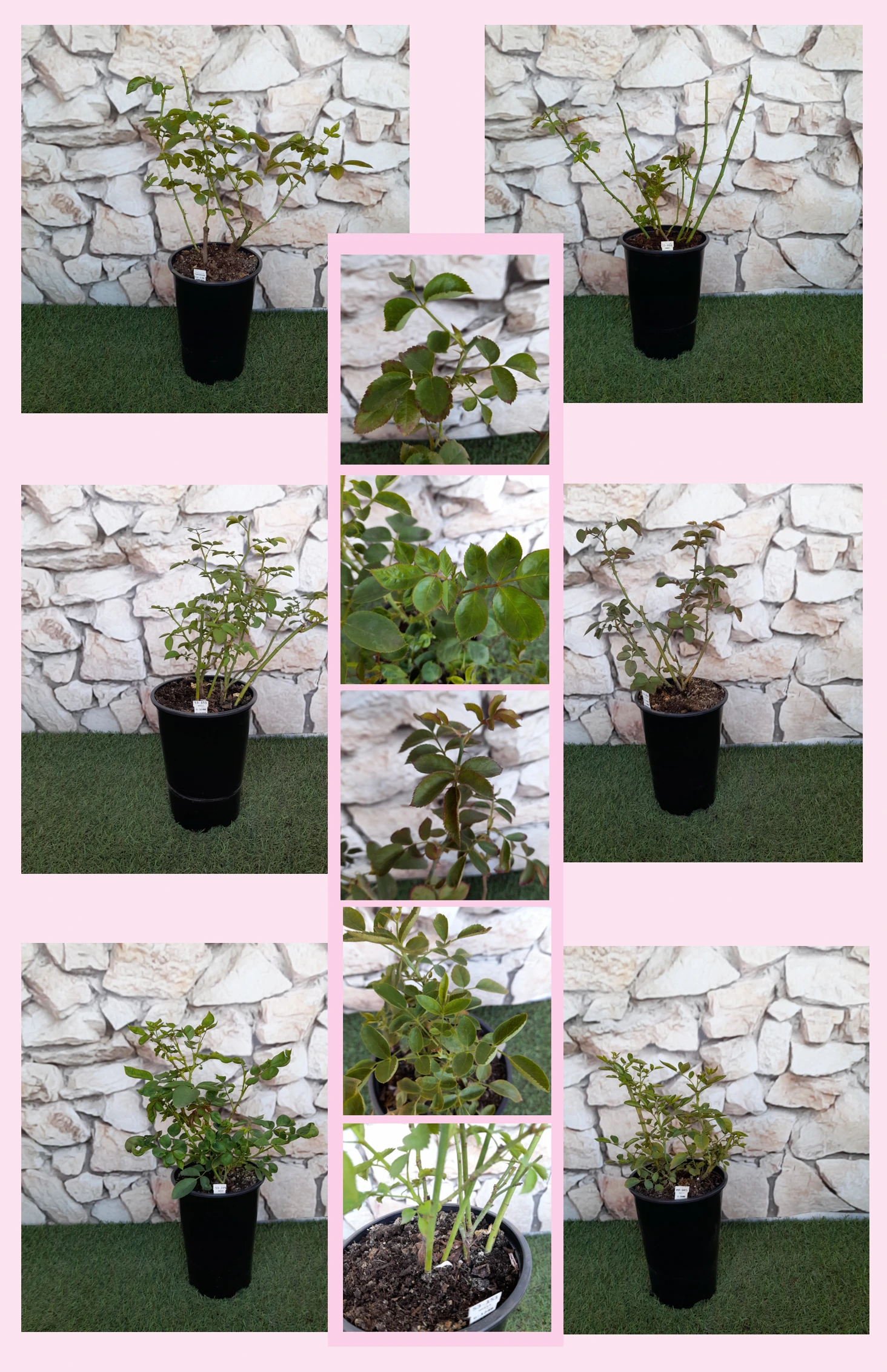
Climbing habit with dense, glossy dark green foliage and many prickles, typically 200–320 cm high and 120–200 cm wide; growth is vigorous, forming a branched framework suited to training on pergolas, fences and walls. |
| Flower morphology |
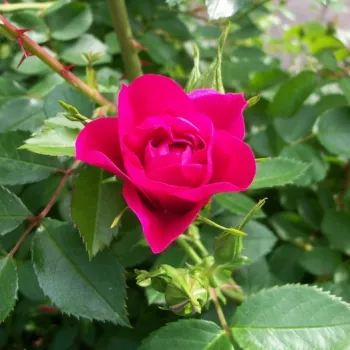
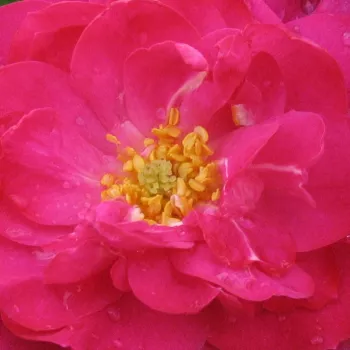
Semi-double, cup-shaped blooms opening flatter with 13–25 petals, usually 4–7 cm across, produced in clusters; remontant, with a strong early flush and a lighter repeat later, especially when regularly deadheaded and well fed. |
| Colour data and phenology |
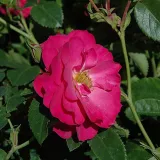
Buds are dark crimson-pink (RHS 58C/61B), opening bright fuchsia-pink before fading through deep orchid to powder pink with silvery edges; colour holds reasonably well but fades faster in strong sun, giving layered pastel effects. |
| Fragrance and aroma |
Light, delicately rose-scented fragrance that is noticeable at close range but not overpowering, suiting doorways, paths and seating where a subtle perfume is preferred over strong scent; flowers are primarily grown for colour display. |
| Hip characteristics |
Occasionally sets small, ellipsoid orange-red hips around 10–14 mm in diameter, adding a modest touch of late-season interest; hip set varies with season, pruning regime and the presence of compatible pollinating roses nearby. |
| Resistance and winter hardiness |
Exceptionally hardy to around -40 to -37 °C (H7, USDA 3a, Swedish Zone 6); tolerates heat reasonably but needs water in drought; disease resistance is modest, with particular susceptibility to rust and moderate mildew and black spot. |
| Horticultural recommendations |
Plant in fertile, well-drained soil with good air circulation; suitable for partial shade. Space 150–240 cm depending on use. Regular preventive spraying, feeding and deadheading, plus timely tying-in of canes, will ensure best flowering. |
JOHN CABOT – pink climbing rambler rose - Svejda offers hardy vertical colour, partial-shade flexibility and long-term own-root resilience, making it a thoughtful choice for your next garden planting.