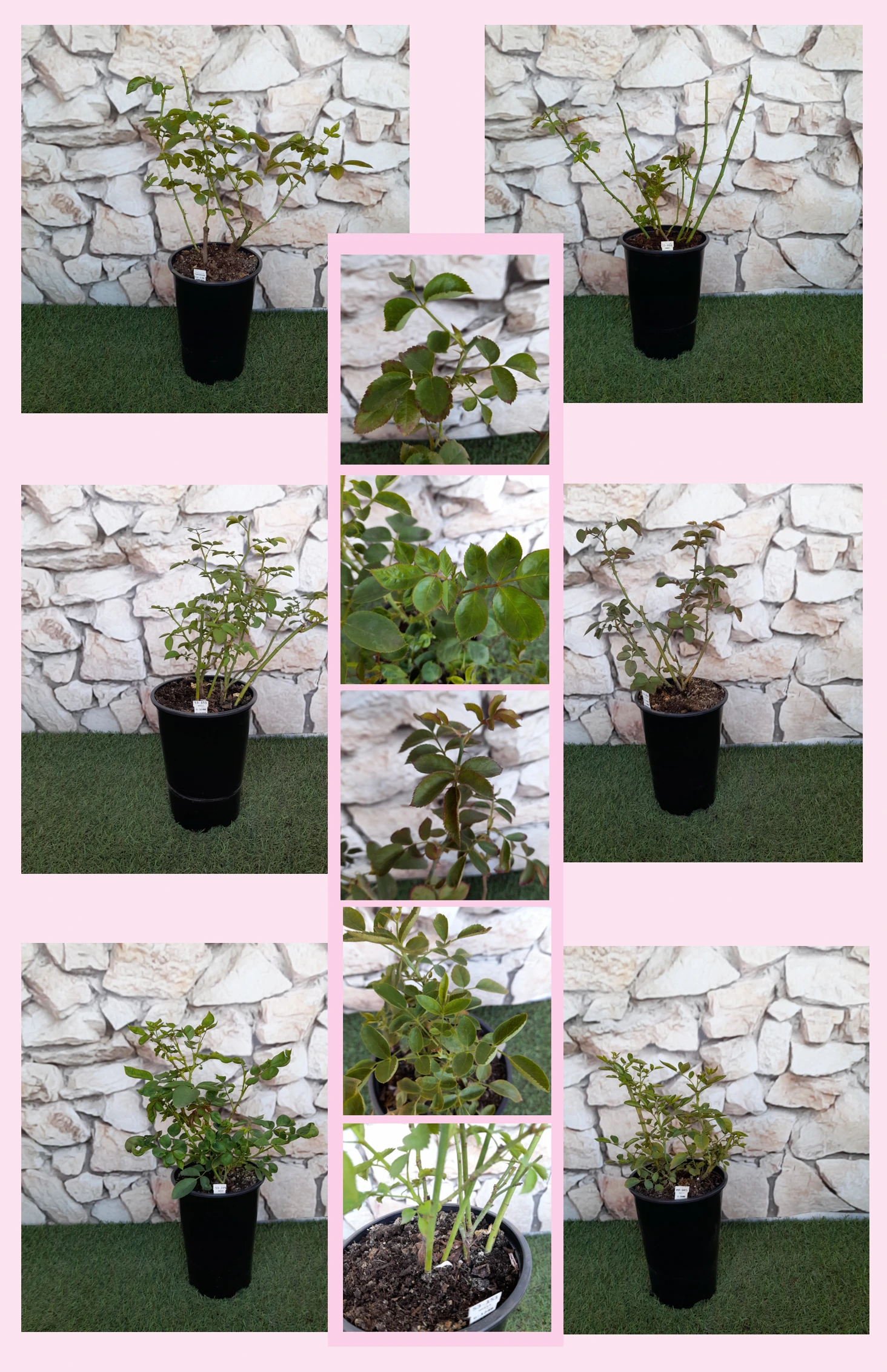
Botanical rose

90-118-1
90-118-2

Rosa pomifera

Botanical rose

- – -

Simple, five-petalled flowers in deep or clear pink shades, with yellow stamens, creating a classic wild‑rose pink effect. - Landscape shrub rose. - Lightly scented, restrained fragrance. - Apple‑fruity, slightly wild. - landscape shrub rose - mild, restr

– Lásaí bándearga clasaiceacha le stamain óir.
– Frithsheasmhacht mhaith i gcoinne galair rós.
– Fás torrach, dlúth do fálta nádúrtha.
– Oiriúnach do bheacha agus do bhalbháin.
– Torthaí móra, dearga, saibhir i vitimín C.
Gné speisialta: Ainmnithe ar a chaora úll‑chosúla ornáideacha agus inite.
Ongoing garden development – Future-proof garden choice
Rosa pomifera
antoniaROSE® ORIGINAL rós i bpota 2 lítear ar a fhréamhacha féin
18,80 €
As stoc. Faoi shaothrú. Go sealadach gan fáil.
4.5 (6542)
facebook   twitter

ROSA POMIFERA – pink landscape shrub rose

If you dream of a soft, rural cottage feel in a city front garden, ROSA POMIFERA wraps beds and boundaries in natural, apple-fruity charm while staying reassuringly robust. Its single pink blooms glow in summer light, then give way to large, apple-like hips that keep the garden visually alive right through autumn and feed birds as the days shorten. This species shrub shrugs off wind and rain in our changeable weather, coping steadily with humidity and showers that would test fussier roses. As an own-root plant it settles in calmly: roots in year one, generous new shoots in year two, and full ornamental character by year three for long-term, easygoing pleasure.


Usage options

Target area Reasoning
Natural, low-maintenance wildlife corner The single, open flowers are specifically attractive to bees and other insects, followed by plentiful hips for birds, so one shrub quickly becomes a small wildlife hub with very little effort – perfect for the nature-oriented beginner.
Informal “girly” cottage hedge Its bushy, upright habit and moderate thorns make a soft, protective boundary that still looks romantic rather than formal, ideal along a front path or between neighbours – well suited to the time-pressed urban homeowner.
Long-season structure with autumn hips Once the brief flush of pink has passed, large, apple-like red hips keep borders colourful and interesting well into autumn, extending interest when many perennials are fading – appealing to the year-round garden planner.
Easy-care, long-lived backbone shrub As an own-root landscape shrub it slowly builds a sturdy framework, regenerating from the base if ever cut back, so it can occupy its space reliably for decades with modest pruning – reassuring for the low-input garden keeper.
Pollinator-friendly family lawn edge Planted as a loose group along a lawn, the medium-tall shrubs provide height, blossom and buzzing activity without fussy deadheading, combining particularly well with yarrow and lavender – ideal for the relaxed family-garden owner.
Rain-tolerant coastal or exposed site This hardy shrub copes well with damp, breezy conditions and regular showers, making it a sound choice where milder coastal air and frequent rain would challenge less resilient roses – a comfort for the Atlantic-weather garden designer.
Orchard or food-forest planting The vitamin C–rich, edible hips suit jam and tea making, so a row within an orchard or food-forest brings both wildlife value and a small seasonal harvest – attractive for the home-preserving, kitchen-garden enthusiast.
Clay-soil family garden shrub bed With good drainage and mulch it settles steadily into typical Irish clay, its dense roots and foliage gradually knitting the bed together and rewarding patience as it matures into a substantial feature – encouraging for the small-plot garden starter.

Styling ideas

  • Cottage-Romantic Hedge – Plant a loose hedge along a front boundary with Achillea millefolium hybrids in front, letting pink blooms and feathery yarrow spill together – for homeowners wanting gentle, low-fuss privacy.
  • Wildlife Ribbon Border – Use a curving row of ROSA POMIFERA backed by taller shrubs, with Liatris spicata 'Kobold' threading purple spikes through the pink for bees and butterflies – ideal for nature-loving families.
  • Orchard Edge Drift – Dot shrubs at generous spacing around fruit trees, underplanting with meadow-style grasses so hips and windfalls share a soft, productive floor – for food-forest and orchard gardeners.
  • Soft Urban Screen – In a Dublin front garden, use a staggered trio with lavender at their feet to frame a small seating nook, enjoying scent, pollinators and subtle privacy – perfect for busy city dwellers.
  • Autumn-Hip Focus Bed – Combine ROSA POMIFERA with late asters and ornamental grasses so its red hips glow among seedheads and mauve flowers – suited to gardeners who want extended seasonal colour.

Technical cultivar profile
Property Data
Name and registration Rosa pomifera is a botanical shrub rose sold as a pink landscape shrub, an unregistered historical species-type cultivar valued for its large hips rather than formal exhibition use.
Origin and breeding Species-type shrub of unknown parentage, distributed from 1897 by George Brunning of St. Kilda Nurseries in Australia; long proven in gardens and now widely used as a robust landscape rose.
Awards and recognition Listed by the RHS as a Plants for Pollinators garden plant and included in Green Cities for a Sustainable Europe selections as a drought-tolerant, insect-friendly rose for climate-resilient planting.
Growth and structural characteristics Bushy, upright shrub reaching about 150–250 cm high and 100–150 cm wide, with dense, matte bluish- to grey-green foliage and moderate prickles, forming a substantial, slightly informal framework.
Flower morphology Single flowers with 5–12 petals, medium-sized at roughly 4–7 cm, usually borne singly on short stalks; not remontant, flowering once in early summer in a classic wild-rose style display.
Colour data and phenology Soft to clear pink blooms (RHS 65C–65D, ARS mp) with golden-yellow stamens; colour holds well, dulling only slightly as flowers age from fresh carmine-red buds to softer pink tones.
Fragrance and aroma Light, restrained scent with a gently apple-fruity, slightly wild-rose character; not overpowering near paths or seating, but noticeable on still, warm days and appreciated at close range.
Hip characteristics Produces numerous spherical, red rose hips around 15–30 mm across, high in vitamin C and suitable for jam or tea; hips are also highly decorative and attractive to birds in autumn and winter.
Resistance and winter hardiness Rated hardy to about −20 to −15 °C (H6, USDA 4a), with good resistance to powdery mildew, black spot and rust; tolerates summer heat and dry spells, needing irrigation only in extreme drought.
Horticultural recommendations Use for natural hedging, mixed borders, parks, wildlife and hip-production plantings; space 75–190 cm depending on use, ensure free-draining soil, mulch annually, and monitor for routine rose pests.

ROSA POMIFERA offers pollinator-friendly blossom, long-lasting ornamental hips and a durable own-root shrub presence that matures steadily over the years, making it a thoughtful choice for relaxed, low-maintenance Irish gardens.

Detailed product attributes

Product Identification Data

Product Name: ROSA POMIFERA – pink landscape shrub rose
Product Type: antoniaROSE® ORIGINAL - rós i bpota 2 lítear ar a fhréamhacha féin
Cultivar Authenticity: Cigireáilte:10.05.2025
Cultivar Merit Rating: premium bronze
Item Number: [1468] 90-118 (14.02.2026) antoniarose.ie

Name and Registration

Cultivar Name Meaning: "Pomifera" is Latin for "apple-bearing" and refers to its large, apple-like fruit.
Synonym Name: Rosa villosa; R. villosa; Rosa villosa L.; Rosa pomifera; Apple Rose; Apfel-Rose; Shaggy Rose; Rosier velu; Pomifère
Trade Name: Rosa pomifera Botanical rose -
Rose Group: Shrub
Commercial Type: landscape shrub rose
Commercial Group: Rós luibheolaíoch
Exhibition Category: shrub rose, species rose
Collection: Botanical rose

Origin and Breeding

Initial Distributor: George Brunning – St. Kilda Nurseries (Australia)
Registration Year: unregistered cultivar
Breeder: -
Breeding Company / Institution: unknown / no data
Parentage: unknown

Awards and Honours

Horticultural Ratings and Recommendations: RHS Plants for Pollinators – garden plants list (Royal Horticultural Society, United Kingdom) (2025); recommended species in the Green Cities for a Sustainable Europe selection Rosor är torktåliga och insektsvänliga as a drought-tolerant, insect-friendly

Growth and Structural Characteristics

Height: 150–250 cm
Spread: 100–150 cm
Growth Habit: bushy, upright (growth habit)
Foliage: The variety's foliage is dense. Its leaves have a matte surface and range in colour from bluish‑green to grey‑green.
Prickliness: moderately thorny
Self-Cleaning Description: No data on self-cleaning.
Self-Cleaning Intensity: No data available on self-cleaning strength.

Flower Morphology

Petal Count: 5–12
Flower Fullness: single-flowered
Flower Form: no data available
Flower Size: M (4 -7 cm)
Inflorescence Type: solitary
Colour Code: ARS code: mp RHS code: 65C (outer), 65D (inner)
Repeat Flowering: Not remontant; flowers once.

Colour Data and Phenology

Colour: pink
Flower Colour: Simple, five-petalled flowers in deep or clear pink shades, with yellow stamens, creating a classic wild‑rose pink effect. - Landscape shrub rose. - Lightly scented, restrained fragrance. - Apple‑fruity, slightly wild.
Closed Bud: The flowers develop from dark carmine-red buds borne on a short, glandular-hairy peduncle and hip rudiment, the buds being surrounded by blue-green leaves that are hairy on both sides.
Freshly Opened Flower: Fragrant carmine-red buds open to reveal single, pure or soft pink petals in one whorl, with bright yellow stamens exposed in the centre, giving a pronounced pink–yellow contrast.
Full Bloom: The single, five-petalled flowers are approximately 4–5 cm in diameter, uniformly clear–soft pink in shade, with a striking golden‑yellow ring of stamens at the centre; the literature does not mention stripes or spots.
Pre-Fading Flower: The pink tone dulls, the stamens turn ochre-yellow and then brown.
Colour Fading Description: It retains the depth of its pink colour, with the sheen becoming slightly subdued.

Fragrance and Aroma

Fragrance Strength: mild, restrained-scented rose
Fragrance Character: apple-fruity, slightly wild-rose scented
Pollinator Attraction: Single, five-petalled, 4–5 cm open flowers with easily accessible stamens attract pollinators effectively, so this variety is particularly pollinator-friendly.
Pollinator-Friendly Rating: Specifically pollinator-friendly variety, as its single, open flowers and 'bee plant' designation make it particularly suitable for feeding bees and other pollinators.

Rose Hip Characteristics

Rose Hip Shape: spherical
Rose Hip Notes: Its large, vitamin C–rich, edible rose hips are of particular ornamental value and can also be harvested for jam and tea.

Resistance and Hardiness

Hardiness (°C): -20–-15 °C
Heat and Drought Tolerance Description: Tolerates summer heat and prolonged dry periods well; irrigation is generally only necessary during extreme, sustained drought.
Disease Resistance: resistant
  • powdery mildew – resistant
  • black spot – resistant
  • rust – resistant

Horticultural Recommendations

Recommended Spacing: Mass planting: 125 cm, hedging: 75 cm, solitary specimen: 190 cm
Planting Density: in square planting 0,6 plants/m², in hexagonal arrangement 0,7 plants/m²
Partial Shade Tolerance: Suitable for partial shade
Maintenance Requirements: Maintenance requirement medium; hardy, generally not particularly demanding garden rose, but — like most roses — it can be susceptible to powdery mildew, black spot, cane diseases and various pests, so regular monitoring, pruning and plant protection when
Key Uses: natural, thorny hedging, mixed shrub beds and borders, park rose / landscape planting, wildflower, bird and butterfly garden, orchard or food-forest for rose-hip production

Notes

Strengths: Ongoing garden development – Future-proof garden choice
Companion Plants: Liatris spicata 'Kobold' - dense blazing star Achillea millefolium hybrids - yarrow hybrids Lavandula angustifolia - narrow‑leaved lavender
Note: -
ROSA POMIFERA – pink landscape shrub rose
Simple, five-petalled flowers in deep or clear pink shades, with yellow stamens, creating a classic wild‑rose pink effect. - Landscape shrub rose. - Lightly scented, restrained fragrance. - Apple‑fruity, slightly wild. - landscape shrub rose - mild, restr
Ceannaigh rósanna ar líne - landscape shrub rose - Rosa pomifera - pink - (150–250 cm)
Bláthaireacht: solitary airde: 150–250 cm Cruth na bláthanna: no data available Friotaíocht gheimhridh: 4b pink - George Brunning – St. Kilda Nurseries (Australia) landscape shrub rose - Méid an bhlátha: M (4 -7 cm) Méid an bhlátha: M (4 -7 cm) - airde: 150–250 cm airde: 150–250 cm - Líon bláthanna: single-flowered Rosa pomifera - Rósanna sa ghairdín | antoniaROSE® Original - premium bronze -

Léirímid cuma sheachtrach ár rósanna atá le ceannach ar líne ónár siopa gréasáin.


Which product type is right for you?


Information

In what condition do we send the roses from our online shop?

Let us ask ourselves the question: What do I want to use the rose for?
Flower? – Location? – Screening? – Fragrance? – Height? – Breeder? – Rose hips?

Rose purchase information
Payment methods – Delivery costs – Delivery – Complaints handling

Care guide

Our product is a rose grown with unique pharmaROSA® cultivation technology!

2 litre, own-root, potted rose.
With shoots appropriate to the season.
With roots thoroughly interwoven through the growing medium.
Quality in line with the requirements of the E.N.A. (European Nurserystock Association).
In unique packaging that prevents damage.
Can be planted during frost-free periods.
True-to-type rose plant with an individual identifier.

The pharmaROSA® own-root potted rose is a well-rooted plant that supports reliable establishment when planted and cared for properly, so it can be planted whenever the soil is not frozen.


Stock: several varieties and several stages of development in a short stock section.
Shoot system: intensive growth of fresh basal shoots on a young plant.
Root system: presentation of the strong root system interwoven through the growing medium with the pot removed.
Balance: mature plant where the development of the root system and the shoots is in harmony.

Information about the videos
The video series is not a “seasonal showcase”, but makes the essence of pharmaROSA® own-root production tangible: how the plant is built, what the root system is like and how the shoots renew themselves. The footage was therefore taken at different times, showing plants at different stages of development, so mixed leaf coverage or differing growth stages may appear in the videos. This is not a “sample” of the batch delivered, but an illustration of how the technology works. The current condition of the rose available to order — typical of the given period and similar to what you can expect to receive in the parcel — is shown at the top of the product page.

pharmarosa.atpharmarosa.compharmarosa.depharmarosa.ropharmarosa.sipharmarosa.skpharmarosa.hrpharmarosa.itpharmarosa.frpharmarosa.grpharmarosa.bepharmarosa.dkpharmarosa.nlpharmarosa.iepharmarosa.plpharmarosa.lupharmarosa.ptpharmarosa.espharmarosa.bgpharmarosa.ltpharmarosa.sepharmarosa.lvpharmarosa.eepharmarosa.fipharmarosa.rudarinarose.co.ukpharmarosa.cz

Cineálacha táirgí

Pages for private customers
Garden roses for the family garden, with minimal care  → ORIGINAL®
Premium garden roses – instant impact, a truly showpiece garden  → EXTRA®
Pages for professionals and private customers
Roses for public spaces – large areas, sustainable maintenance  → NATURAL®
Roses for projects – hedge and row planting, fast implementation  → RAPID®
For professional partners only
Production – propagation material for garden roses, wholesale  → NEONATAL®

Sonraí cuideachta

PharmaRosa Ltd.
Company registration number: 01-09-717479
VAT number: 13075314-2-43
Plant health registration no.: HU130721
Bank account (IBAN):
HU85117631891388688400000000
BIC (SWIFT): OTPVHUHB
Bank name: OTP Bank Nyrt.