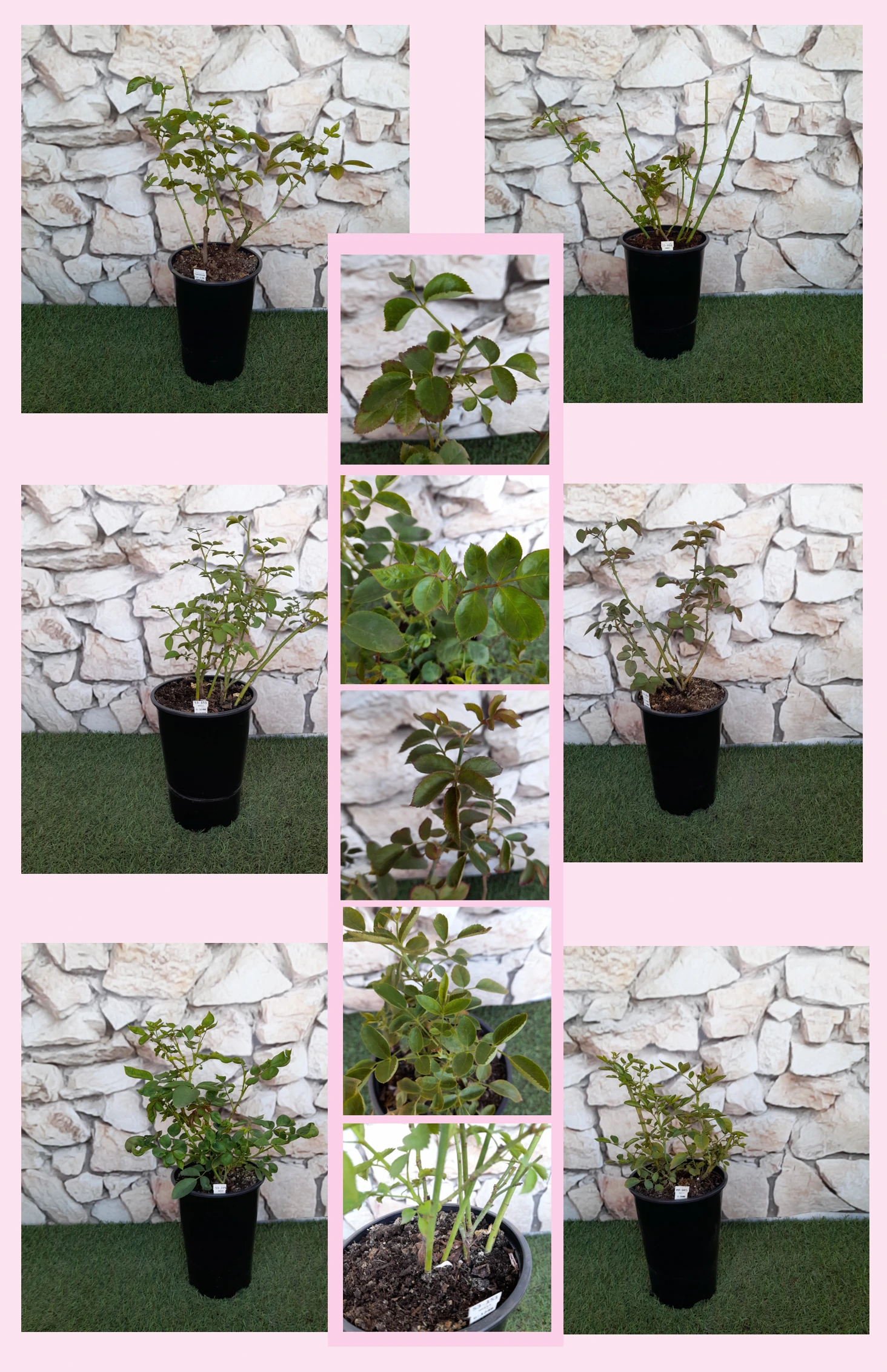
ROSA POMIFERA – pink landscape shrub rose
If you dream of a soft, rural cottage feel in a city front garden, ROSA POMIFERA wraps beds and boundaries in natural, apple-fruity charm while staying reassuringly robust. Its single pink blooms glow in summer light, then give way to large, apple-like hips that keep the garden visually alive right through autumn and feed birds as the days shorten. This species shrub shrugs off wind and rain in our changeable weather, coping steadily with humidity and showers that would test fussier roses. As an own-root plant it settles in calmly: roots in year one, generous new shoots in year two, and full ornamental character by year three for long-term, easygoing pleasure.
Usage options
| Target area |
Reasoning |
| Natural, low-maintenance wildlife corner |
The single, open flowers are specifically attractive to bees and other insects, followed by plentiful hips for birds, so one shrub quickly becomes a small wildlife hub with very little effort – perfect for the nature-oriented beginner. |
| Informal “girly” cottage hedge |
Its bushy, upright habit and moderate thorns make a soft, protective boundary that still looks romantic rather than formal, ideal along a front path or between neighbours – well suited to the time-pressed urban homeowner. |
| Long-season structure with autumn hips |
Once the brief flush of pink has passed, large, apple-like red hips keep borders colourful and interesting well into autumn, extending interest when many perennials are fading – appealing to the year-round garden planner. |
| Easy-care, long-lived backbone shrub |
As an own-root landscape shrub it slowly builds a sturdy framework, regenerating from the base if ever cut back, so it can occupy its space reliably for decades with modest pruning – reassuring for the low-input garden keeper. |
| Pollinator-friendly family lawn edge |
Planted as a loose group along a lawn, the medium-tall shrubs provide height, blossom and buzzing activity without fussy deadheading, combining particularly well with yarrow and lavender – ideal for the relaxed family-garden owner. |
| Rain-tolerant coastal or exposed site |
This hardy shrub copes well with damp, breezy conditions and regular showers, making it a sound choice where milder coastal air and frequent rain would challenge less resilient roses – a comfort for the Atlantic-weather garden designer. |
| Orchard or food-forest planting |
The vitamin C–rich, edible hips suit jam and tea making, so a row within an orchard or food-forest brings both wildlife value and a small seasonal harvest – attractive for the home-preserving, kitchen-garden enthusiast. |
| Clay-soil family garden shrub bed |
With good drainage and mulch it settles steadily into typical Irish clay, its dense roots and foliage gradually knitting the bed together and rewarding patience as it matures into a substantial feature – encouraging for the small-plot garden starter. |
Styling ideas
- Cottage-Romantic Hedge – Plant a loose hedge along a front boundary with Achillea millefolium hybrids in front, letting pink blooms and feathery yarrow spill together – for homeowners wanting gentle, low-fuss privacy.
- Wildlife Ribbon Border – Use a curving row of ROSA POMIFERA backed by taller shrubs, with Liatris spicata 'Kobold' threading purple spikes through the pink for bees and butterflies – ideal for nature-loving families.
- Orchard Edge Drift – Dot shrubs at generous spacing around fruit trees, underplanting with meadow-style grasses so hips and windfalls share a soft, productive floor – for food-forest and orchard gardeners.
- Soft Urban Screen – In a Dublin front garden, use a staggered trio with lavender at their feet to frame a small seating nook, enjoying scent, pollinators and subtle privacy – perfect for busy city dwellers.
- Autumn-Hip Focus Bed – Combine ROSA POMIFERA with late asters and ornamental grasses so its red hips glow among seedheads and mauve flowers – suited to gardeners who want extended seasonal colour.
Technical cultivar profile
| Property |
Data |
| Name and registration |
Rosa pomifera is a botanical shrub rose sold as a pink landscape shrub, an unregistered historical species-type cultivar valued for its large hips rather than formal exhibition use. |
| Origin and breeding |
Species-type shrub of unknown parentage, distributed from 1897 by George Brunning of St. Kilda Nurseries in Australia; long proven in gardens and now widely used as a robust landscape rose. |
| Awards and recognition |
Listed by the RHS as a Plants for Pollinators garden plant and included in Green Cities for a Sustainable Europe selections as a drought-tolerant, insect-friendly rose for climate-resilient planting. |
| Growth and structural characteristics |
Bushy, upright shrub reaching about 150–250 cm high and 100–150 cm wide, with dense, matte bluish- to grey-green foliage and moderate prickles, forming a substantial, slightly informal framework. |
| Flower morphology |
Single flowers with 5–12 petals, medium-sized at roughly 4–7 cm, usually borne singly on short stalks; not remontant, flowering once in early summer in a classic wild-rose style display. |
| Colour data and phenology |
Soft to clear pink blooms (RHS 65C–65D, ARS mp) with golden-yellow stamens; colour holds well, dulling only slightly as flowers age from fresh carmine-red buds to softer pink tones. |
| Fragrance and aroma |
Light, restrained scent with a gently apple-fruity, slightly wild-rose character; not overpowering near paths or seating, but noticeable on still, warm days and appreciated at close range. |
| Hip characteristics |
Produces numerous spherical, red rose hips around 15–30 mm across, high in vitamin C and suitable for jam or tea; hips are also highly decorative and attractive to birds in autumn and winter. |
| Resistance and winter hardiness |
Rated hardy to about −20 to −15 °C (H6, USDA 4a), with good resistance to powdery mildew, black spot and rust; tolerates summer heat and dry spells, needing irrigation only in extreme drought. |
| Horticultural recommendations |
Use for natural hedging, mixed borders, parks, wildlife and hip-production plantings; space 75–190 cm depending on use, ensure free-draining soil, mulch annually, and monitor for routine rose pests. |
ROSA POMIFERA offers pollinator-friendly blossom, long-lasting ornamental hips and a durable own-root shrub presence that matures steadily over the years, making it a thoughtful choice for relaxed, low-maintenance Irish gardens.