JACQUES CARTIER – pink historical perpetual hybrid rose - Desprez
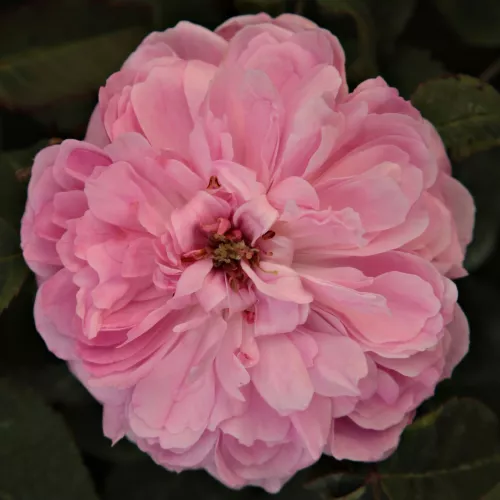
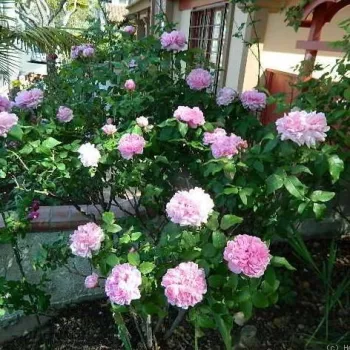
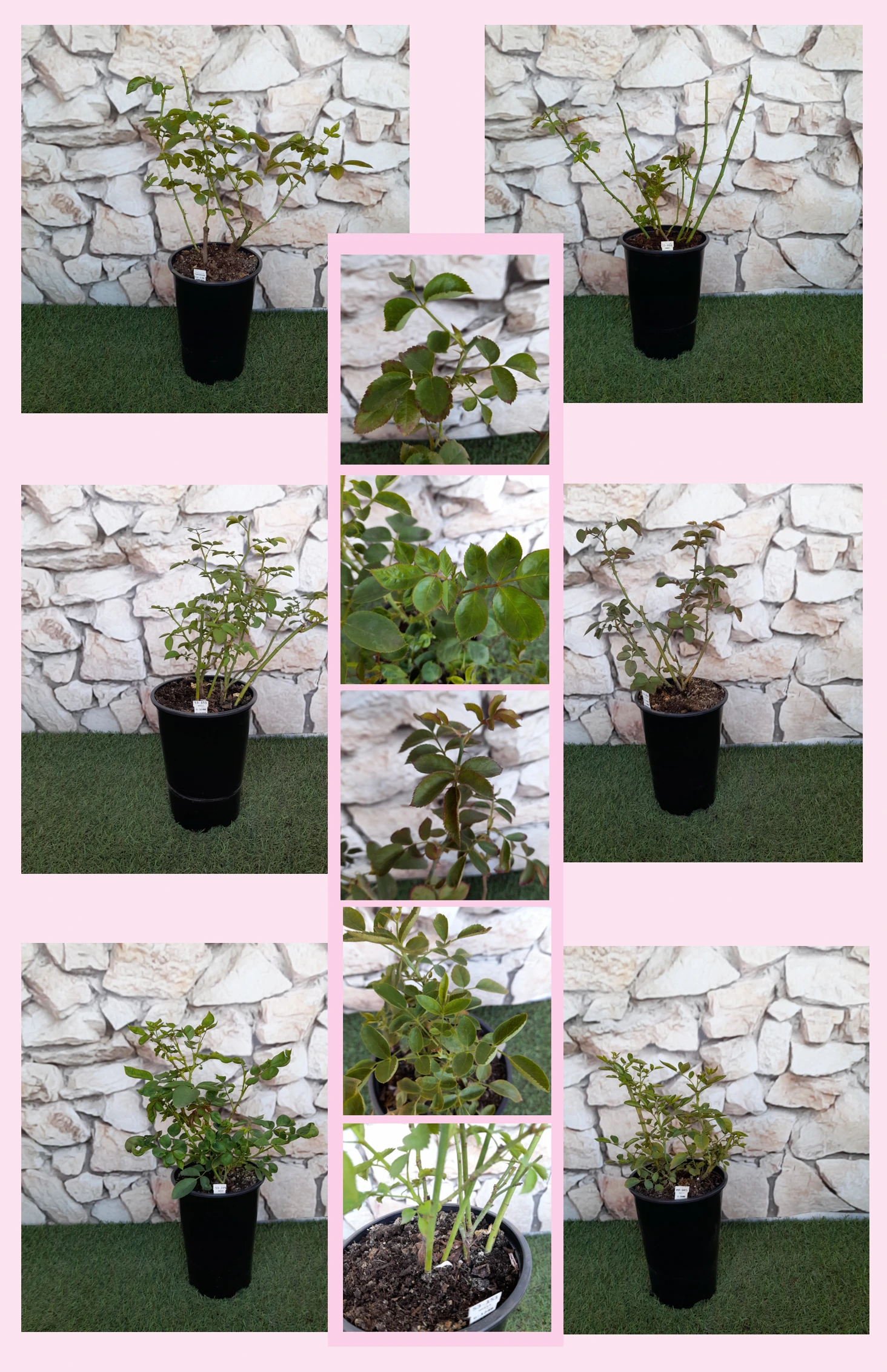
Step out to soft Irish drizzle and the romance of ‘Jacques Cartier’, a heritage Portland rose that feels perfectly at home in cottage borders and tidy Dublin front gardens. Its rounded, bushy habit and pastel-pink rosettes bring instant old-world charm, while strong, long-lasting fragrance rewards every quick walk to the gate. Bred in France in the 19th century yet still awarded the RHS AGM, it combines classic looks with modern reliability, keeping its colour and form even when summers are cool and damp with plenty of soft Atlantic rainfall. On its own roots it settles steadily, building a dependable framework for decades of longevity. Give it a bright spot with some afternoon shade, a bit of drainage attention in heavier soils, and enjoy how year one focuses on roots, year two on shoots, and year three on full, satisfying flowering.
Usage options
| Target area | Reasoning |
|---|
| Cottage-style mixed border beside a front path |
The upright, bushy habit and pastel rosette blooms create a romantic focal point that still fits comfortably into a modest Irish front garden. Low maintenance and disease resistance make it an easy companion to perennials for beginners. |
| Feature shrub by the front door or gate |
Strong, lingering scent and repeat flushes mean you notice it every time you come and go, without demanding complex pruning. Own-root growth ensures the plant rebuilds well after hard winters for homeowners. |
| Low, informal flowering hedge |
Planted at the recommended hedge spacing, the moderately thorny, leafy stems knit together into a soft, flowering boundary that screens without feeling harsh. Reliable remontant habit gives seasonal structure for family gardens. |
| Part-shaded town garden or narrow side return |
This variety tolerates partial shade, so it keeps flowering where sun is limited between houses and walls; its historic character suits older Dublin terraces beautifully. It copes well with cool, damp air and regular soft rainfall for urban gardeners. |
| Cutting patch for scented bouquets |
Medium-sized, very double flowers on sturdy stems make excellent nostalgic cut roses, with fragrance that carries indoors. Even with less prolific second flushes, you still enjoy regular stems through the season for patient hobbyists. |
| Clay-based family garden border with improved drainage |
Once planted into a slightly raised, well-drained spot, its deep root system and robust constitution provide decades of structure and bloom in heavier Irish soils, even through moisture and fungal pressure for practical planners. |
| Heritage rose collection or period-style planting |
As an 1868 French Portland with RHS recognition, it anchors a historic scheme with authenticity. Its own-root longevity and stable form keep the design coherent over many years for discerning rose collectors. |
| Large container on a sheltered patio (40–50 litres+) |
Grown in a generous pot with good compost and regular watering, the compact, bushy shrub offers scented colour close to seating, while the own-root system responds well to occasional harder pruning for busy city-dwellers. |
Styling ideas
- Cottage-border romance – Thread ‘Jacques Cartier’ through a loose mix of hardy geraniums and dwarf Michaelmas daisies for a soft, storybook border – ideal for lovers of relaxed Irish cottage gardens.
- Terraced-front focus – Place one or two plants symmetrically by a path with evergreen dwarf honeysuckle groundcover to frame the doorway – suited to Dublin terraced-house owners wanting instant charm.
- Heritage-centre stage – Use as the main shrub in a small circular bed with low lavender or catmint edging to emphasise its historic character – perfect for heritage and period-home enthusiasts.
- Scented-cut corner – Dedicate a sunny border section to a short row of plants, underplanted with Crocosmia ‘Lucifer’, to supply strongly scented, contrasting bouquets – for creative home florists.
- Patio-showpiece – Grow it in a 50-litre tub with moisture-retentive compost and seasonal bedding underplanting, keeping perfume and petals close to your seating – great for space-conscious urban gardeners.
Technical cultivar profile
| Aspect | Data |
|---|
| Name and registration |
Historic hybrid perpetual / Portland rose known as ‘Jacques Cartier’, also traded as a heritage rose under Desprez; exhibition name approved by the American Rose Society. |
| Origin and breeding |
Bred by Jean Desprez in France around 1842, introduced commercially as ‘Jacques Cartier’ in 1868; precise parentage and early distribution records remain unknown. |
| Awards and recognition |
Holds the Royal Horticultural Society Award of Garden Merit (1993), highlighting dependable performance, ornamental value and sound garden worth in a range of temperate conditions. |
| Growth and structural characteristics |
Bushy, upright shrub typically 100–150 cm high and 80–120 cm wide, with moderately dense mid‑green, glossy foliage and a moderately thorny framework suitable for borders or low hedging. |
| Flower morphology |
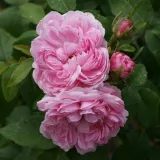
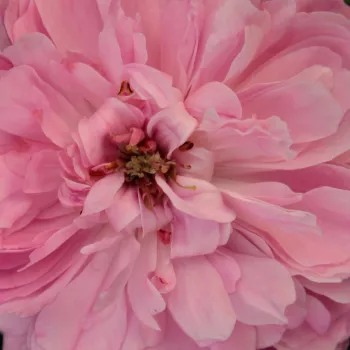
Medium-sized, 4–7 cm, very double rosette blooms with 40+ petals, mainly solitary on stems; remontant habit with a strong first flush and a lighter, later refower through the season. |
| Colour data and phenology |
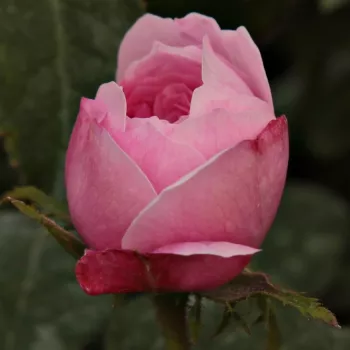
Mid-pink flowers with shell-pink and creamy tones; colour lightens in strong sun and appears richer in cooler weather; outer petals paler, with a subtle silvery sheen in cool conditions. |
| Fragrance and aroma |
Strong to very strong, long-lasting scent typical of old garden roses; ideal for positioning near paths, doors or seating where the fragrance can be appreciated at close quarters. |
| Hip characteristics |
Limited hip set due to very double blooms, though occasional ellipsoidal red hips, around 12–18 mm in diameter, may develop late in the season when flowers are left un-deadheaded. |
| Resistance and winter hardiness |
Hardy to approximately −26 to −23 °C (RHS H7, USDA 5b), with good resistance to powdery mildew, black spot and rust under typical garden conditions when planted with reasonable drainage. |
| Horticultural recommendations |
Best in fertile, well-drained soil with regular moisture; suitable for borders, specimens, low hedges and cut flowers, tolerating partial shade; deadhead spent blooms to encourage further flowering. |
JACQUES CARTIER combines timeless pastel blooms, strong fragrance and bushy, disease-resistant growth with the resilience of an own-root plant, making it a thoughtful long-term choice for your garden.